 Isabella Miller
 Scientists have developed laboratory-made meat products which are starting to become available at supermarkets. This product contains actual meat tissue which producers create from animal cells in a specialized scientific setting. When you compare traditional beef from farms with synthetic alternatives, you will gain knowledge which helps you choose better dietary options while understanding their impact on the future development of food production systems.
The Cellular Starter
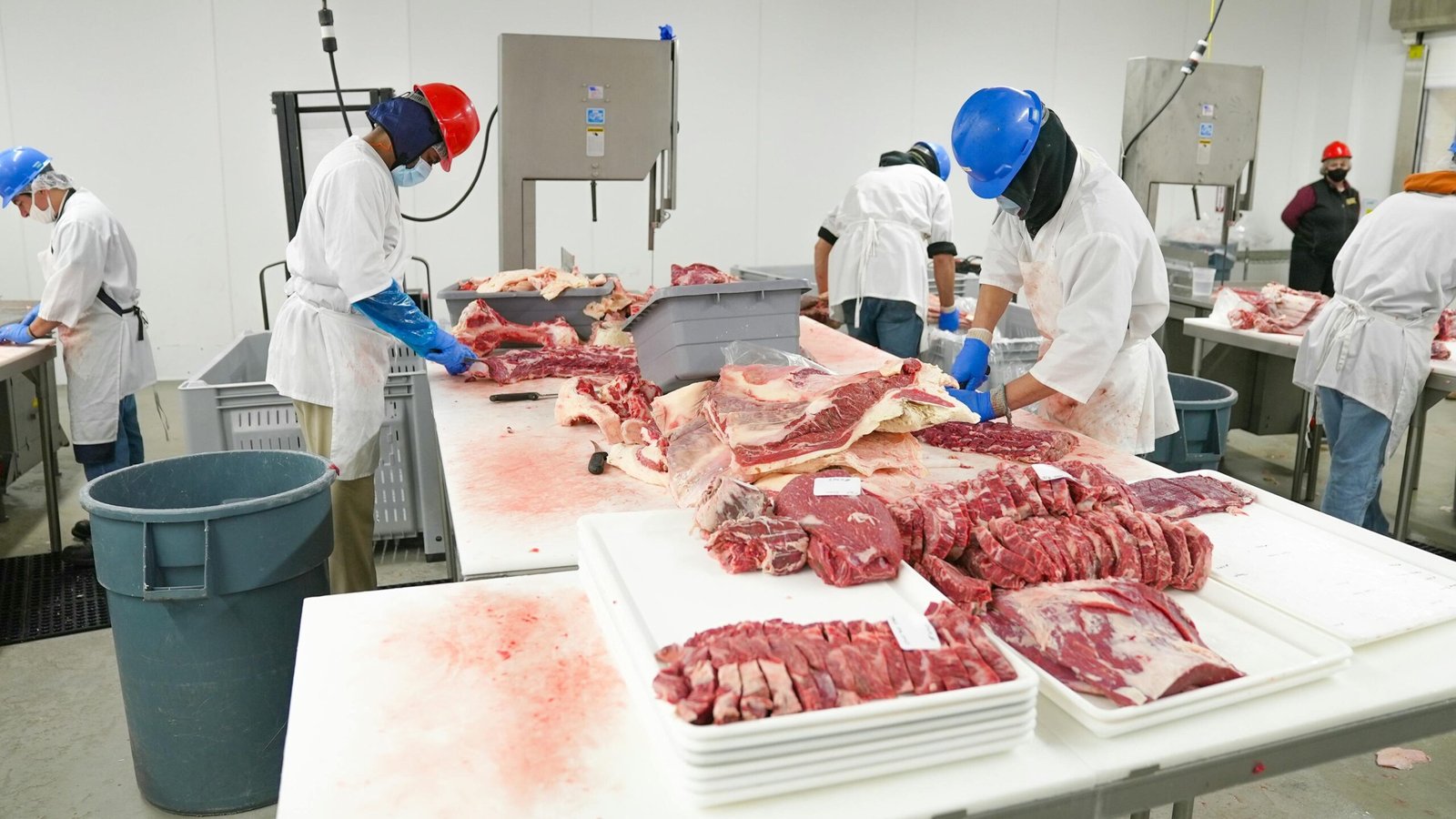
Scientists begin their work with artificial meat by taking small cell samples from living cows and chickens. Scientists use a bioreactor, which is a warm tank filled with nutrients, to allow these cells to multiply in the same way they would in an animal body.
Absence of Grain or Grass
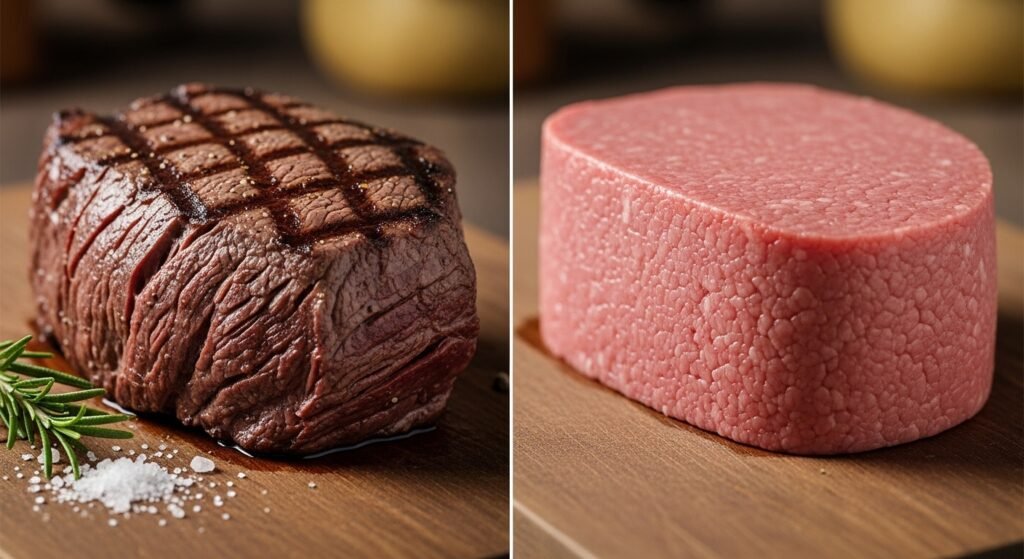
The natural flavor of traditional steaks comes from the animal’s diet, which includes clover and corn. The flavor of synthetic steaks that grow in sterile liquid feed becomes very pure, although it has a metallic or neutral taste, which differs from the pastoral taste of beef raised on grass.
Perfect Geometric Shapes
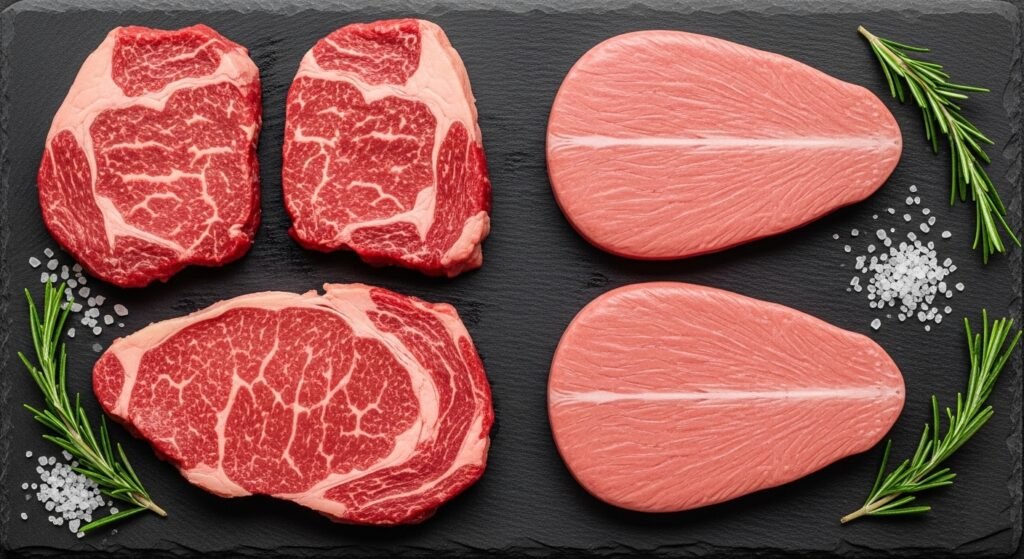
Steaks from nature display their natural shape through their uneven edges and different thickness levels. The production process for synthetic fillets creates their appearance because lab meat develops through molding techniques or machine-based printing, resulting in products that possess an identical look for every package.
The Uniform Marbling Test
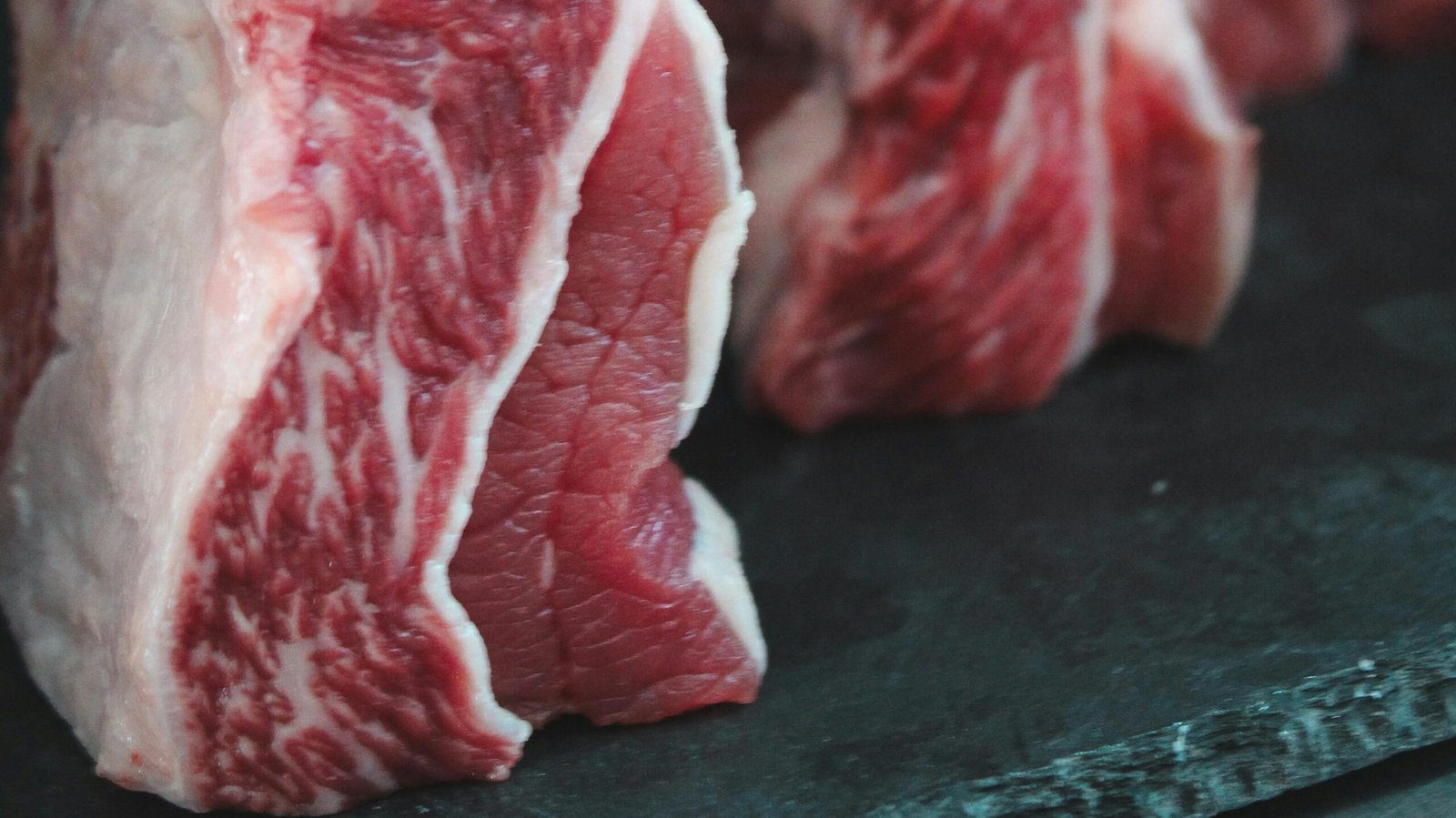
Cows distribute fat throughout their body, which appears as white flecks that create a natural pattern known as marbling. The 3D printing process for synthetic steaks creates a fat pattern that consists of organized stripes or grids, which look too uniform to resemble actual fat distribution.
The “No-Bone” Rule
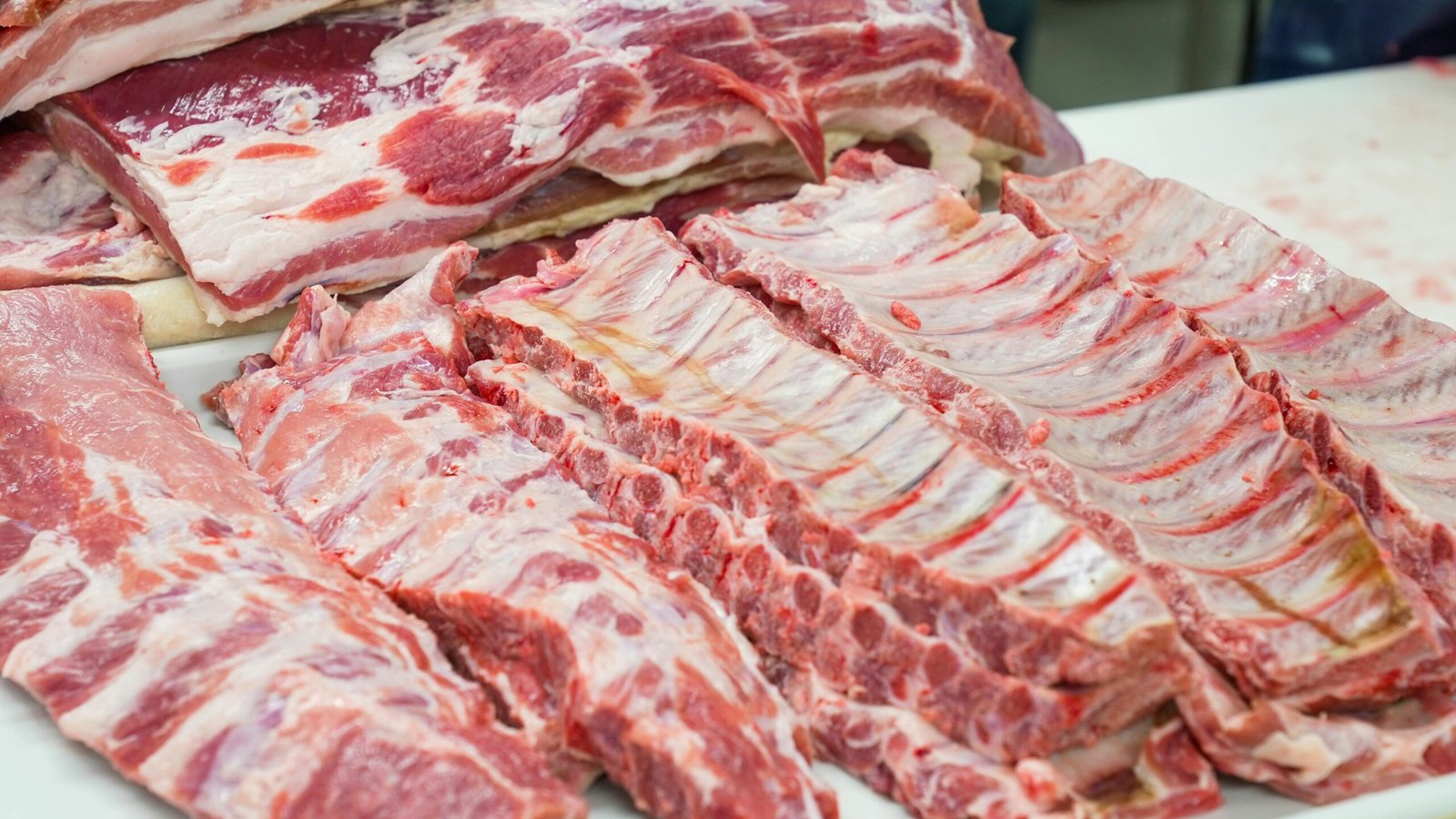
Scientists encounter major challenges when they attempt to create bone and connective tissue through laboratory methods. Almost all synthetic meat products today contain no bones. The presence of T-bones and rib-eyes with complex bone structures indicates that the meat was produced through traditional farming methods.
Lack of Myoglobin Variation
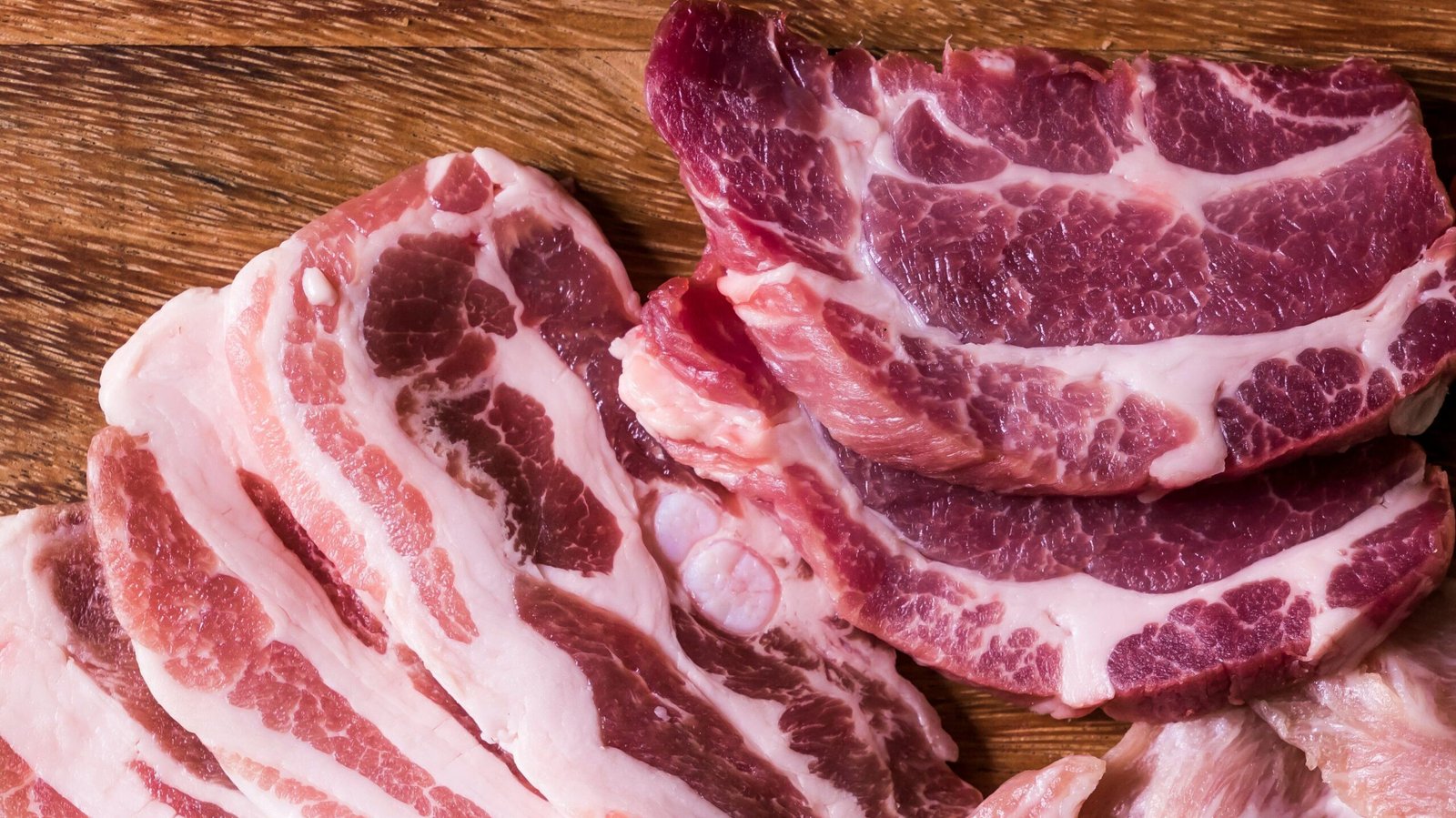
Natural meat transforms its color from deep red to brown when it comes into contact with air. Lab-grown meat appears as a bright pink color because it lacks the blood and oxygen variations which exist in actual muscle tissue.
The “Upside Foods” Case
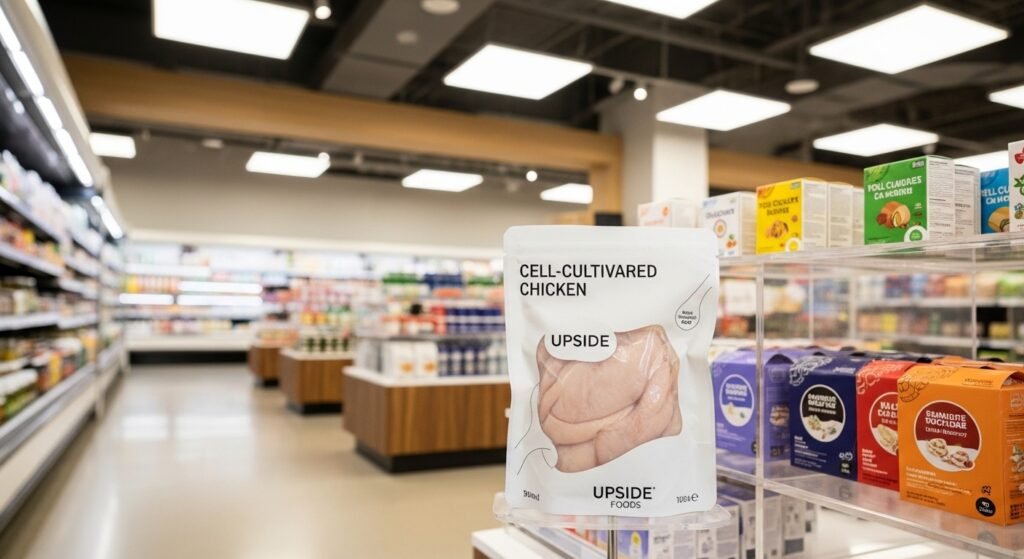
Upside Foods has obtained FDA approval for its cultivated chicken product, which is now sold in actual retail stores. The main legal method to identify these products on restaurant menus uses the terms “Cell-Cultivated” or “Cell-Based” which consumers need to know.
Consistent Texture
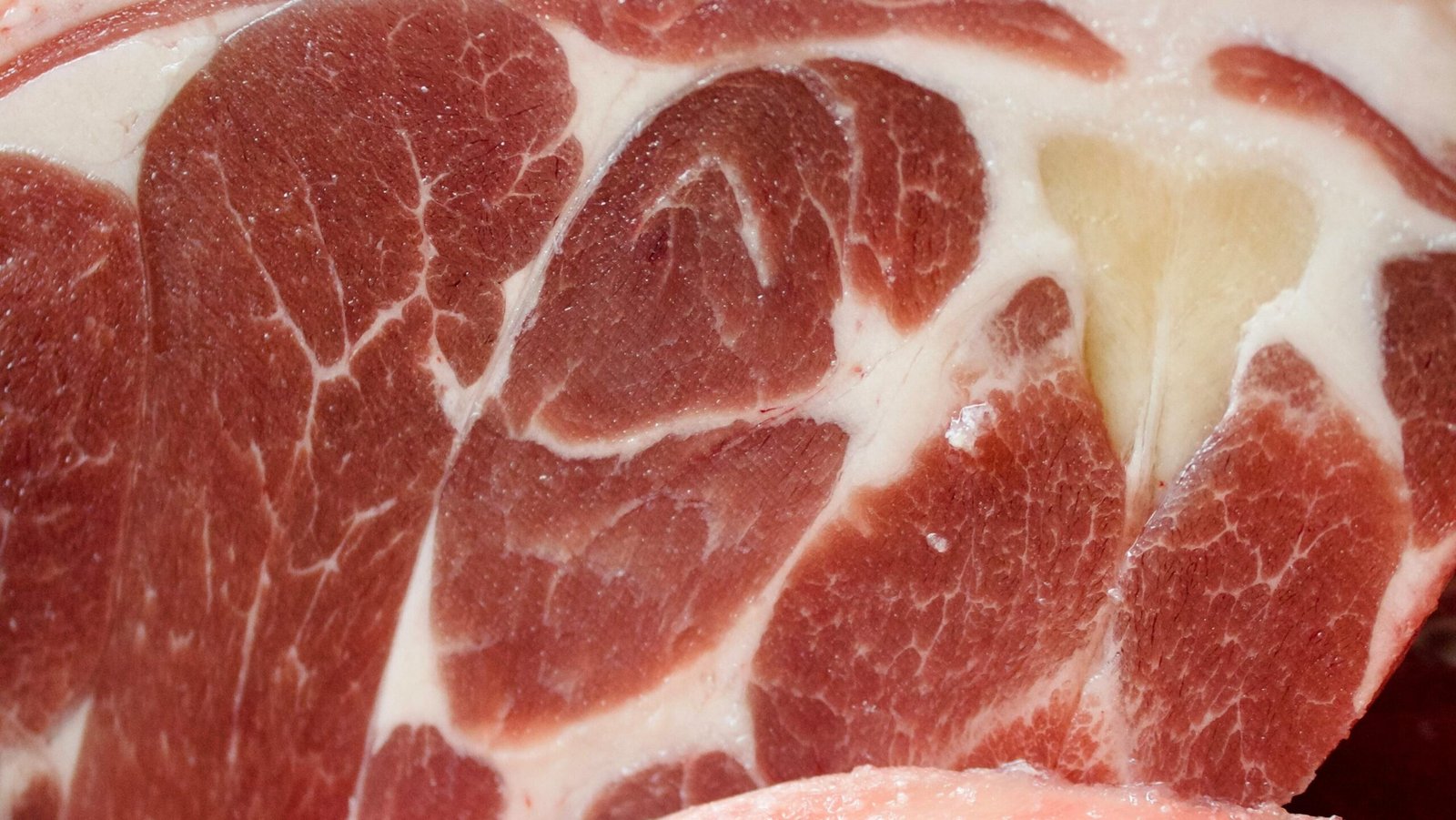
Natural steak contains “grain,” which consists of long muscle fibers that create a specific texture when chewed. Lab meat develops a texture which resembles “mushy” or dense sponge because its cells lack the regular muscle activity found in actual animals.
The Price Premium
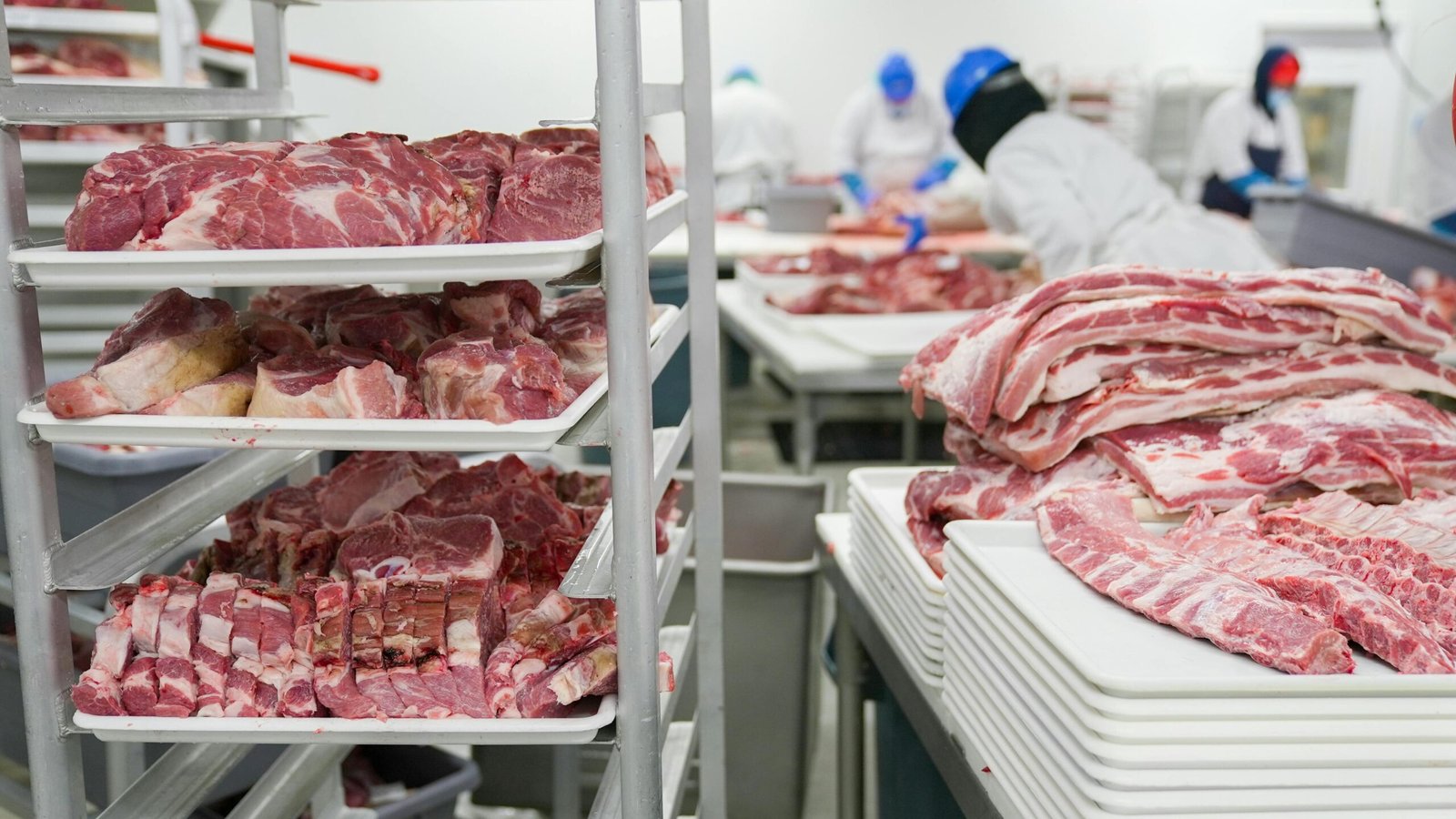
Synthetic meat production remains costlier in 2026 than it was before. The expensive “specialty” steak, which costs more than Prime cuts, provides a high-tech lab experience to customers who want perfectly lean meat.
The Ethics Label
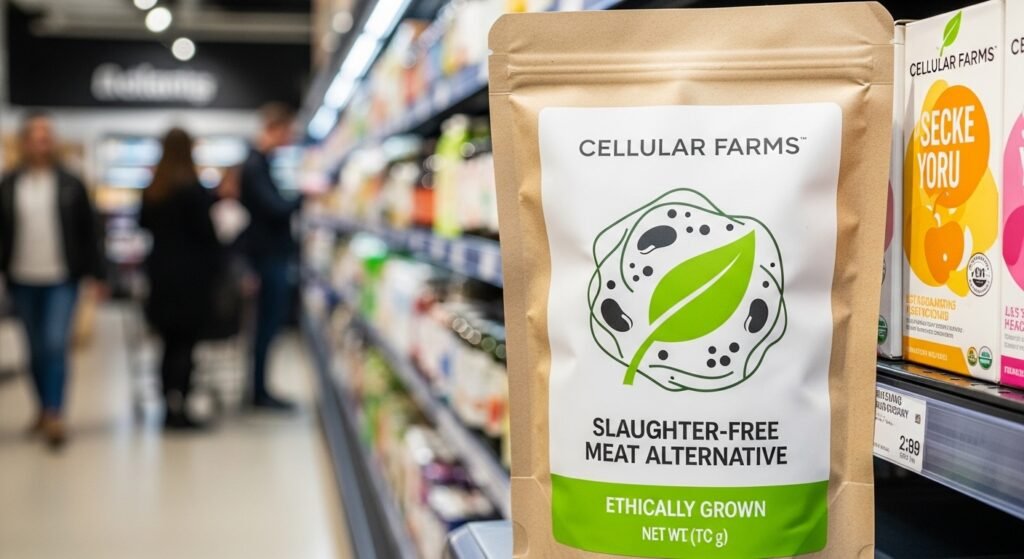
The primary marketing strategy for many synthetic brands relies on their “Slaughter-Free” product feature. The package displays the phrase “no animals were harmed in the production of the steak,” which means you have a product that comes from laboratory production methods.