 Isabella Miller
 The Wadi Rum desert in Jordan, which people refer to as the “Valley of the Moon,” has become the top choice for tourists who want to experience Mars-like conditions. Visitors to the “Martian Domes” which have gained worldwide recognition want to experience space travel by visiting the red sands which have reached their maximum visitor limit for the month of March.
Geometric Dome Architecture
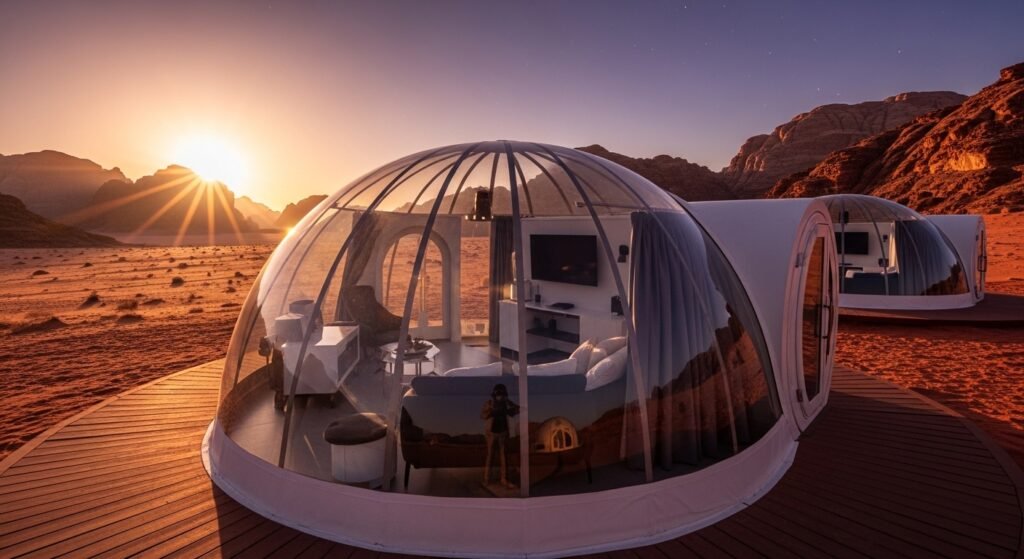
The pods take the shape of geodesic domes which feature large transparent “viewing walls.” The building design enables visitors to see 180 degrees of desert landscape which resembles the mercury habitats that researchers suggest for use in upcoming Martian settlements.
The Red Sand Visuals
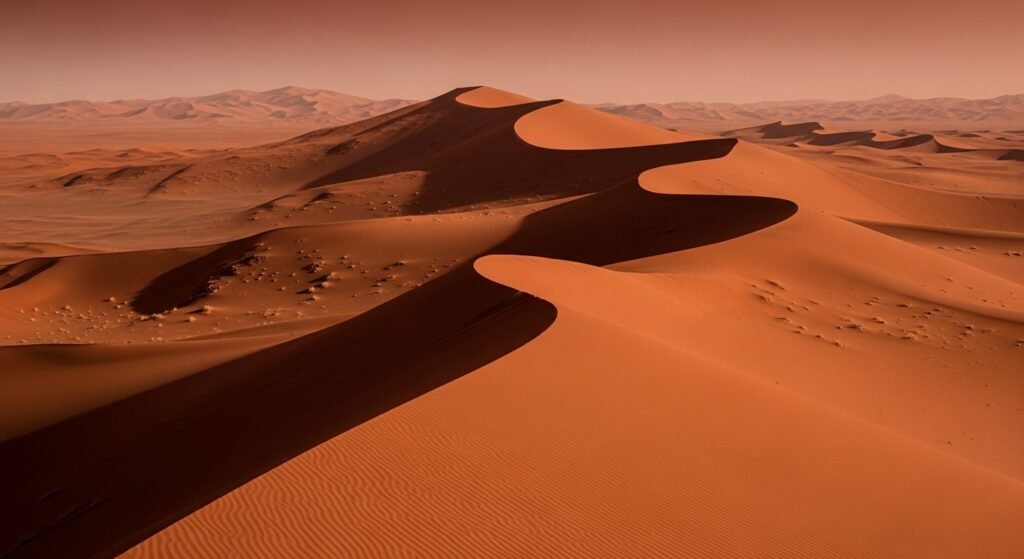
Wadi Rum obtains its natural rust color from the iron oxide content in the sand which closely resembles Martian terrain. The travelers see an unearthly landscape from their windows because the red horizon and absence of plant life create an atmosphere that they are not on Earth anymore.
Star-Gazing Without Light Pollution
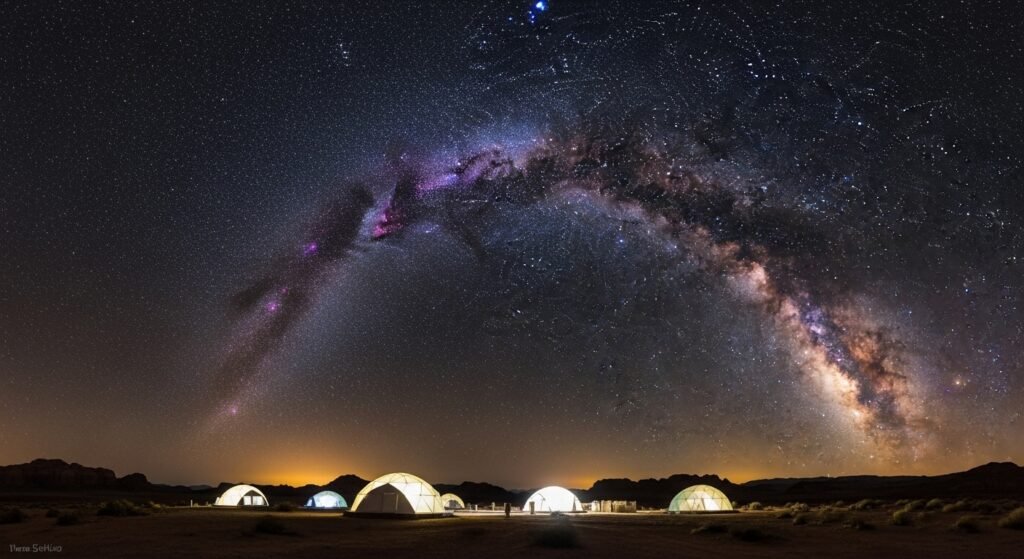
The desert’s remote location creates an environment that has no light pollution. Guests can see March’s exceptionally clear skies which enable them to view the Milky Way without any equipment, providing a view that resembles what astronauts observe from their deep-space stations.
Authentic Bedouin Hospitality
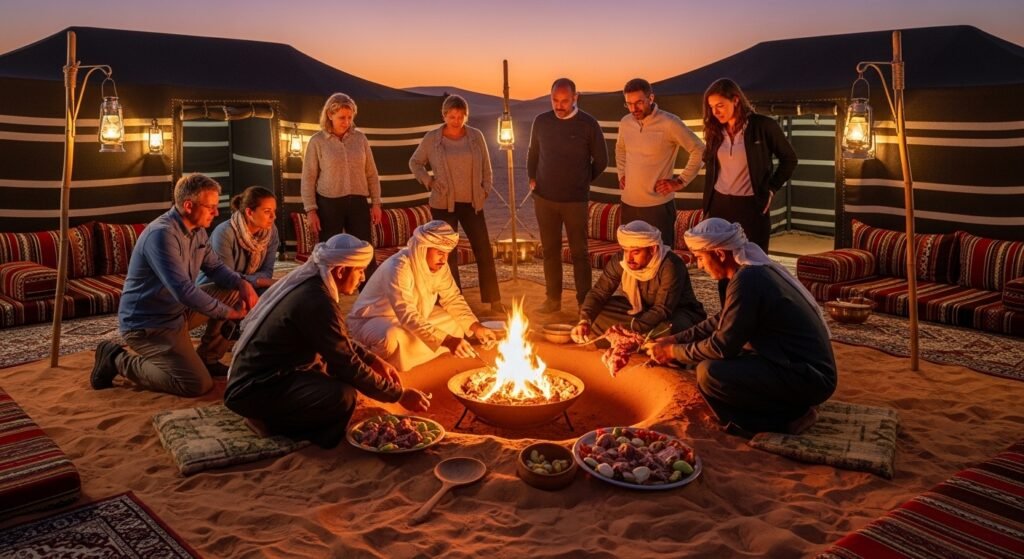
The pods create a futuristic appearance but the visitors experience traditional local cultural elements. Real Bedouin guides run the camps teaching guests how to cook “Zarb” meat and vegetables buried in the sand through ancient survival skills.
“Space” Yoga and Meditation
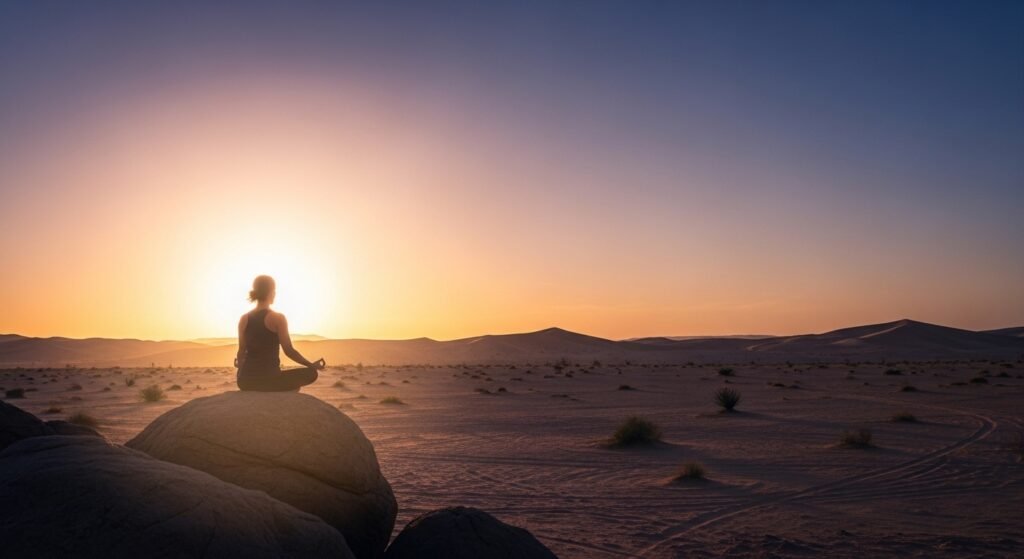
The wellness retreats at many camps have reached full capacity this March. The Martian-like soundscape of the silent alien landscape helps instructors lead people to disconnect from Earthly stress which they use for deep meditation sessions.
4×4 “Rover” Expeditions

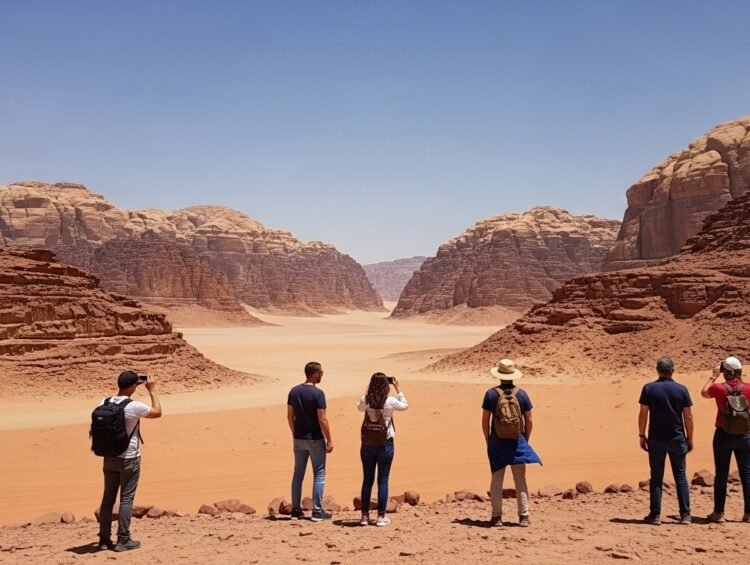
Guests use open-top 4×4 trucks for their travel which serve as temporary Mars Rovers instead of regular tour buses. The travelers can traverse steep dunes and narrow canyons to see actual sites including the Burdah Rock Bridge.
Sustainable Desert Living
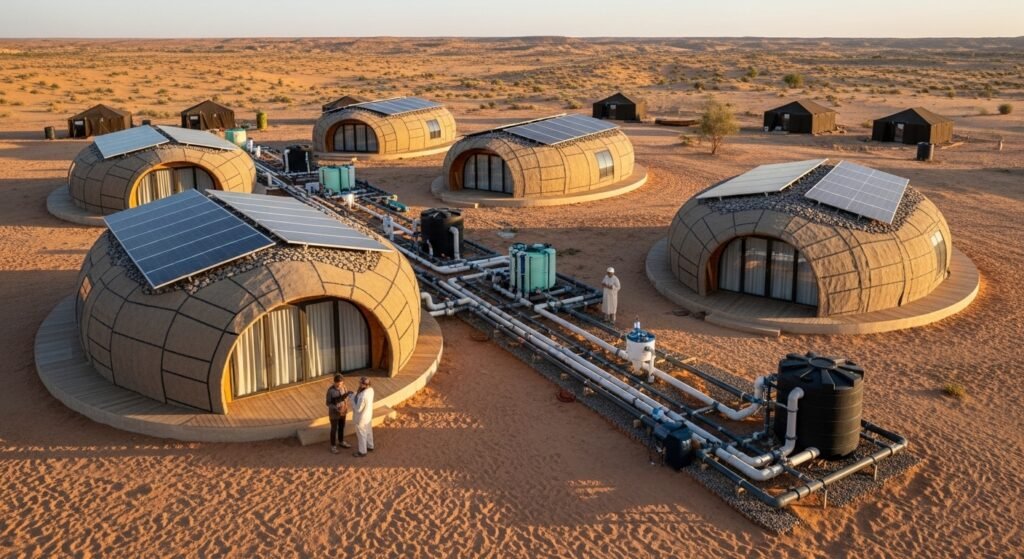
The pods provide educational material about eco-tourism practices. The facilities use solar energy together with their water recycling systems to demonstrate to visitors how people must handle water scarcity in tough desert conditions.
Extreme Temperature Shifts
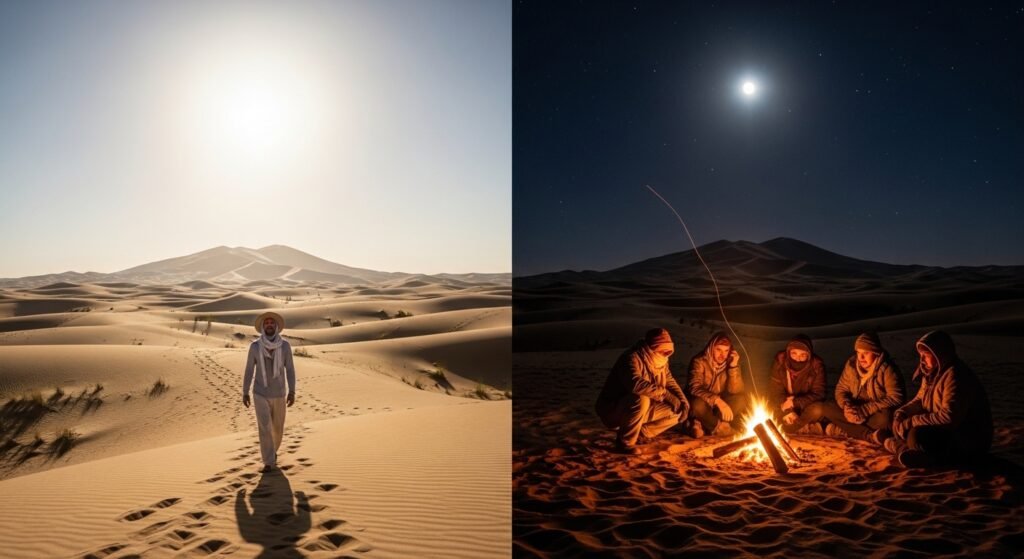
The desert environment creates Martian-like weather conditions where hot daytime temperatures mix with cold nighttime temperatures. The travelers experience “realistic” recreation of dressing for 20 degrees of cooler weather which begins when the rocks block sunlight.
Photography and Social Media
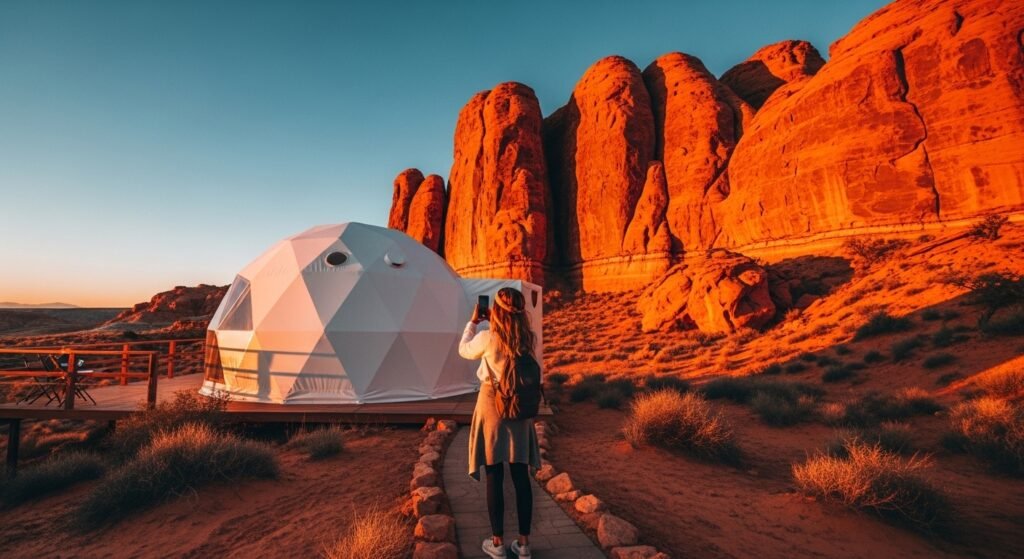
The “Sun City” and “Memories Aicha” camps have become TikTok and Instagram sensations. The white futuristic pods create a perfect “out of this world” photo opportunity because they contrast with the deep orange rocks which has led to complete sell-out for March.
The Petroglyph History
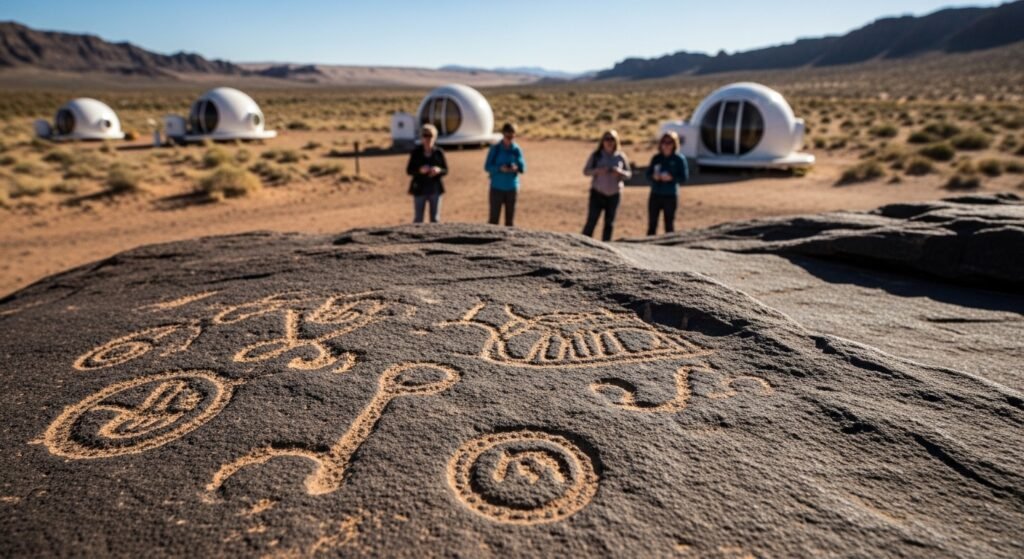
The desert contains 12,000-year-old rock carvings which are now part of the pods. Tourists learn that while they are dreaming of the future they are standing in a place that has been a crossroads for human travelers since the Stone Age.