 Sophia Davis
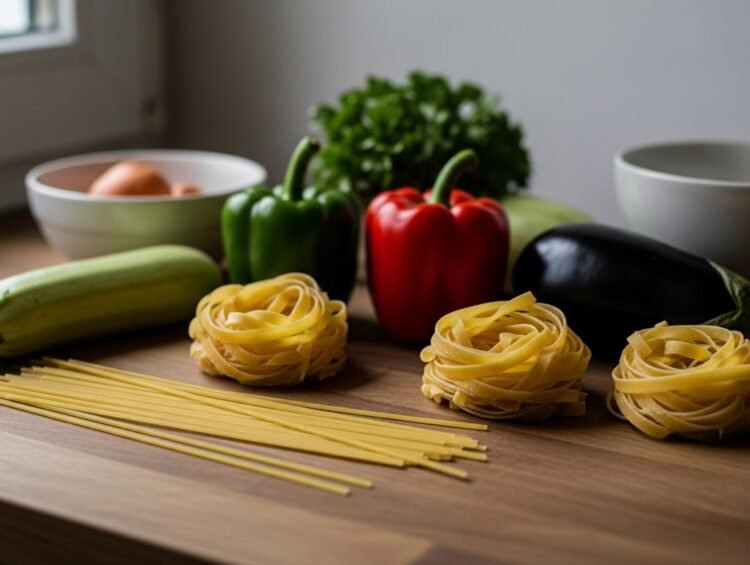
 Authentic village cooking depends on using top-notch essential materials together with basic cooking methods which do not require advanced cooking tools. This method of making pasta which has been passed down through generations enables you to prepare delicious food using basic ingredients which you probably own in your kitchen.
The “One-Pan” Efficiency
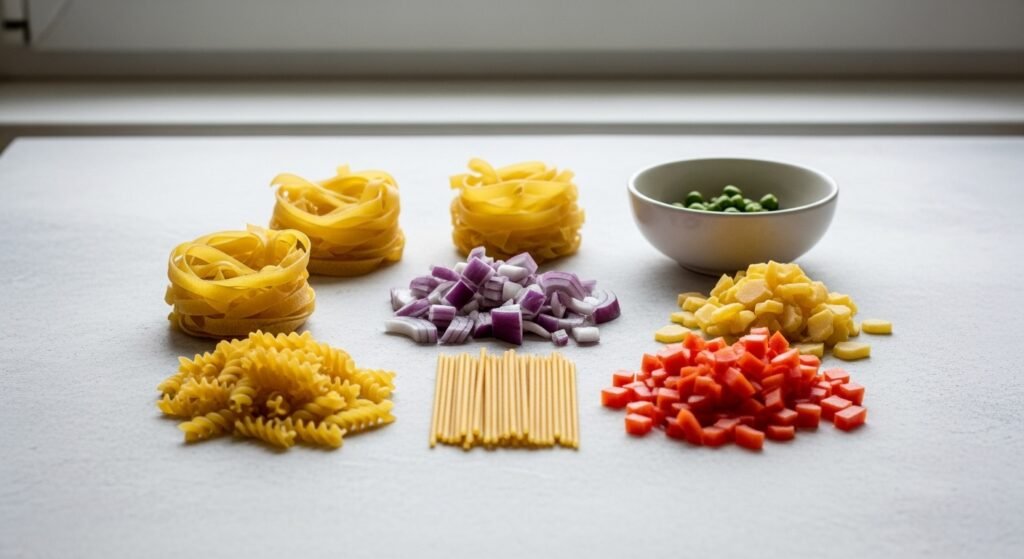
In many traditional villages, water and fuel function as vital resources which people protect. The cooking method which involves making pasta in sauce directly instead of boiling it separately uses less energy while making sure every noodle absorbs all base ingredient flavors.
Toasting the Dry Pasta
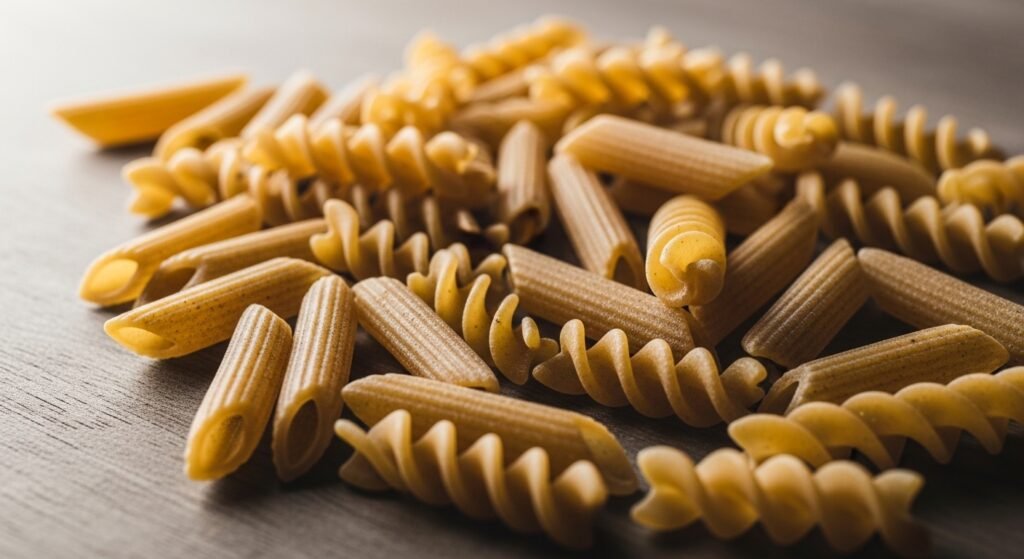
The dry pasta requires light toasting in a pan with oil before you add any liquid to it. The actual method produces nutty flavors which help pasta stay firm during simmering because it prevents mushiness.
Fresh Garlic and Olive Oil Base
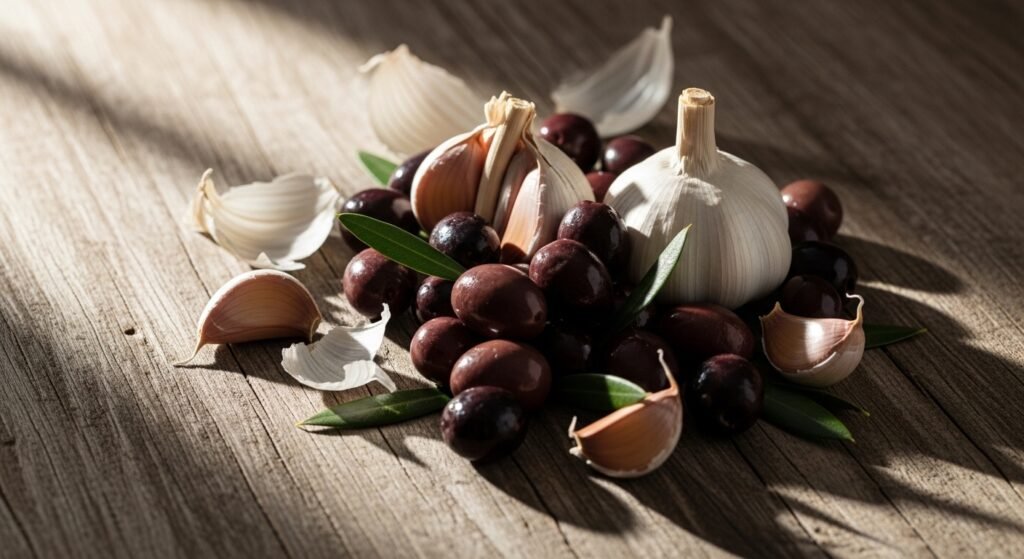
Begin the process by heating sliced garlic in olive oil at a low temperature and the oil needs to be scented with garlic while avoiding garlic burning because this creates an aromatic base which resembles the traditional Mediterranean “Aglio e Olio” cooking method.
Using Seasonal Vegetables
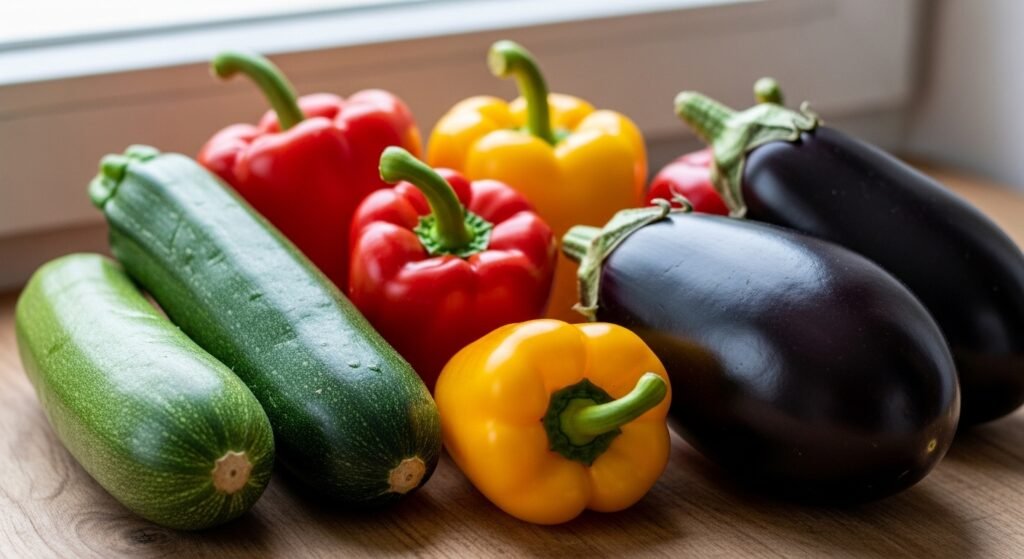
Village cooks use whatever becomes available from their garden. The initial cooking phase needs zucchini and bell peppers and eggplant to be added as tiny cubes which will become soft and form a sauce that will cling to the pasta.
The Power of Pasta Water
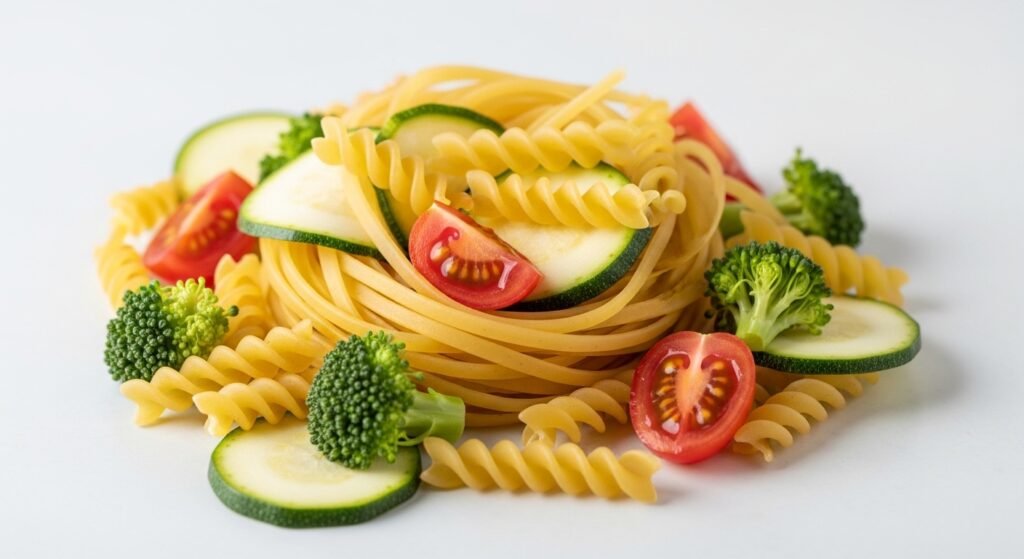
This recipe requires gradual water or broth addition which uses measured amounts instead of letting starch be removed through draining. The starch that pasta releases serves as a natural thickener which creates a creamy texture without the need for heavy cream.
A Pinch of Dried Herbs
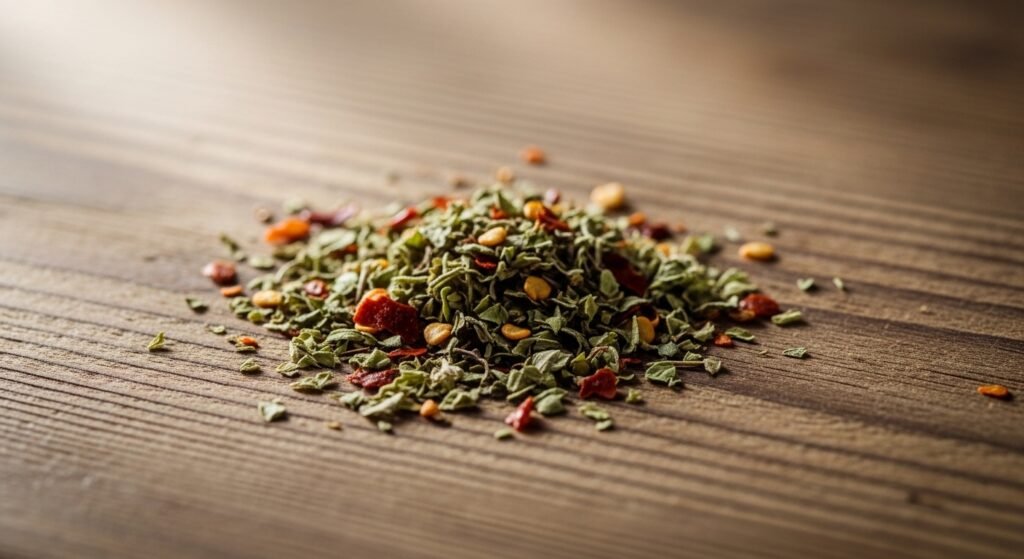
A small amount of dried oregano or red pepper flakes goes a long way and the warm oil allows concentrated flavors to develop into a savory flavor which stops vegetable sweetness.
Hand-Crushed Tomatoes
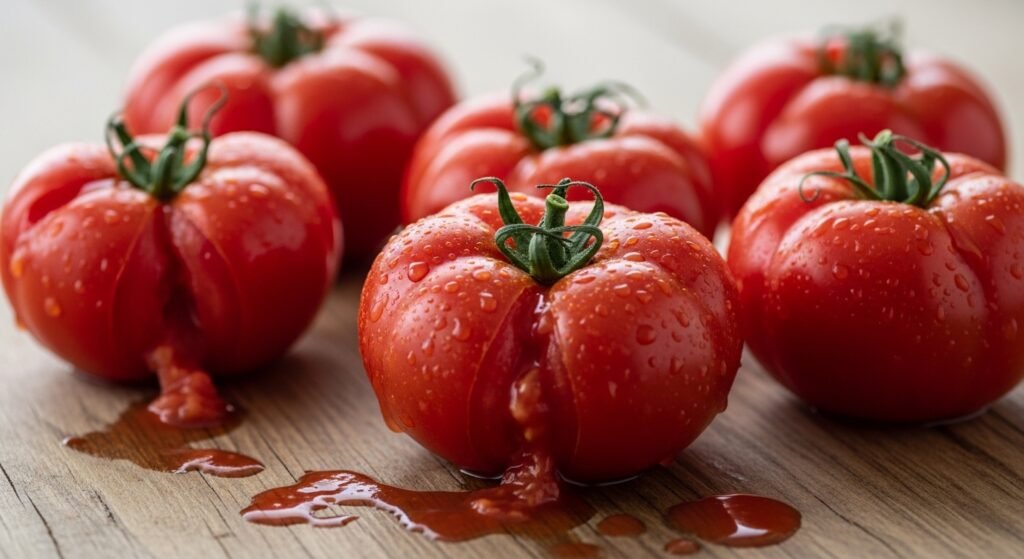
The rustic texture of tomatoes emerges when you crush whole canned tomatoes by hand. The traditional method of making preserved summer harvests into wintertime chunky sauce involves using this method.
The “Lid-On” Steaming Method
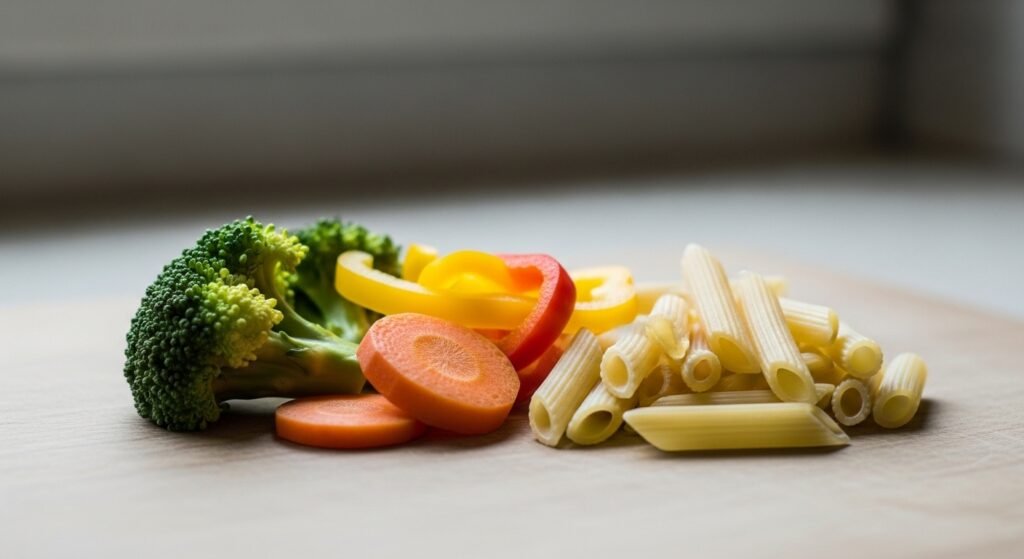
The pasta needs to be covered during its cooking process because this method traps steam to deliver equal cooking results. The technique helps cooks who have multiple tasks because they only need to add liquid without needing to stir.
Finishing with Fresh Greens
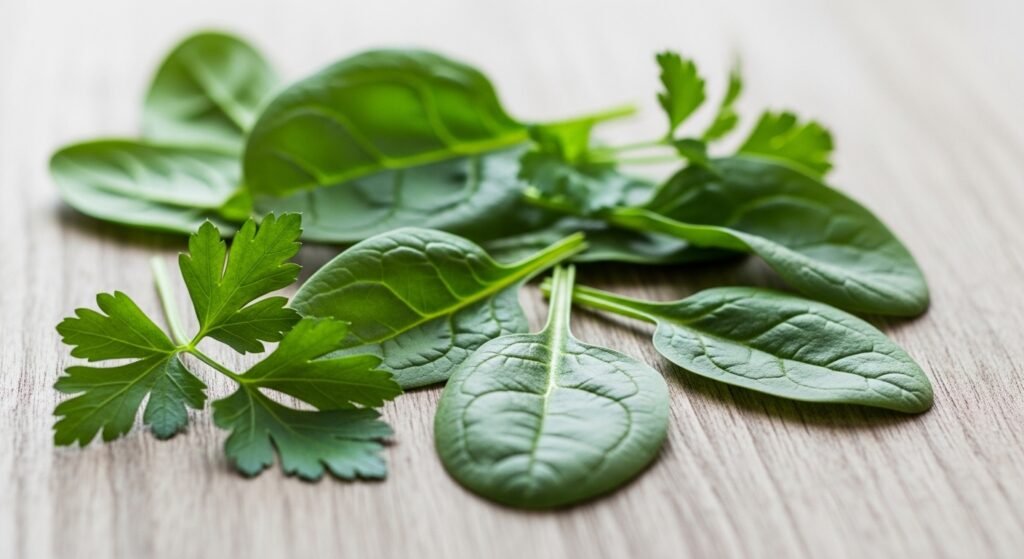
The final part of the dish requires you to mix fresh spinach or parsley into the dish which will bring both color and nutritional value. The residual heat in the dish will create the perfect wilting effect for the greens which will maintain their taste.
A Sprinkling of Hard Cheese
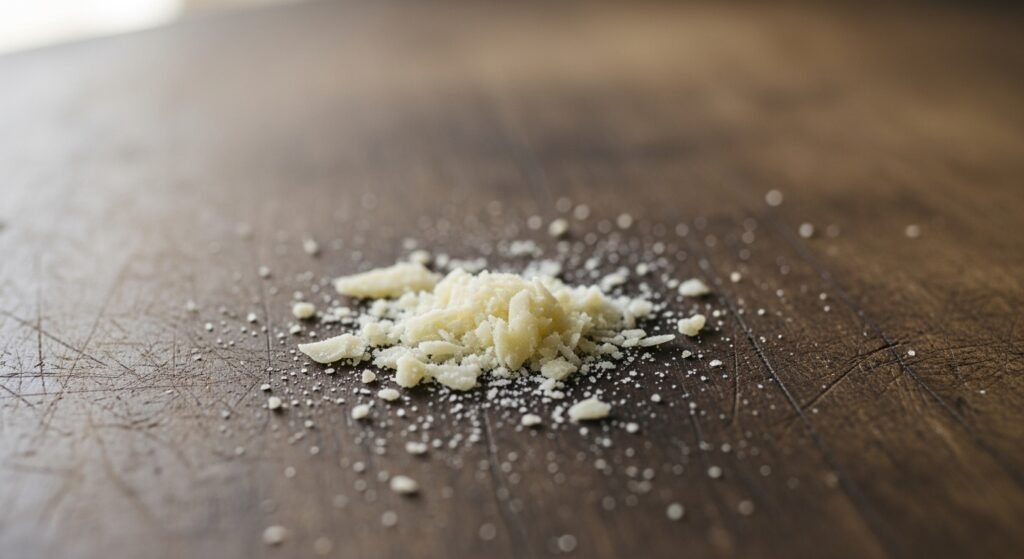
The dish needs authentic Parmesan or Pecorino cheese because 1 teaspoon gives both salt and umami flavor. In village cooking, cheese serves as a minor flavoring agent which requires minimal usage to produce strong taste results.
The Resting Period
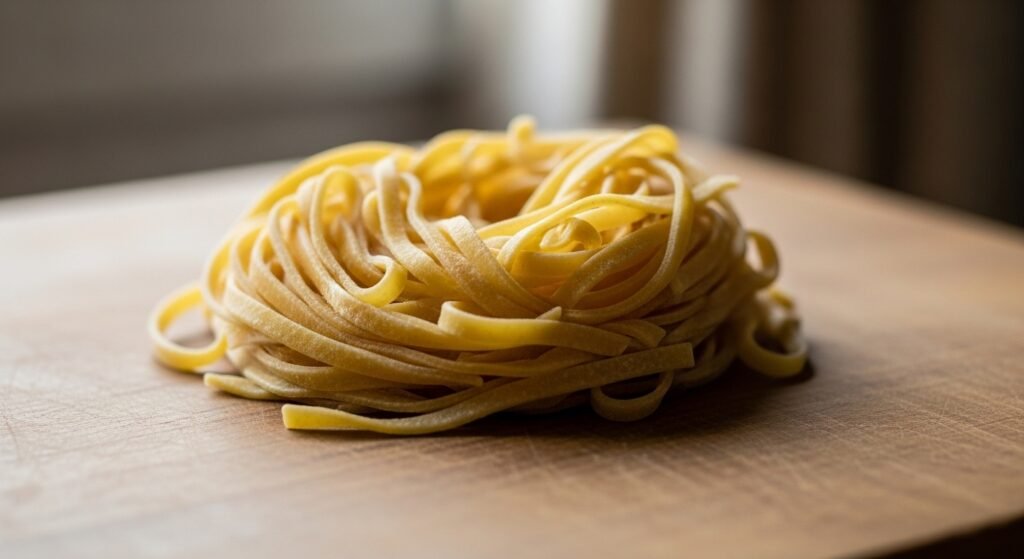
The pasta needs to rest for two minutes after you switch off the stove because this process will make sauce thicker while flavors combine. The final step allows the dish to achieve a professional appearance with its “glossy” look.