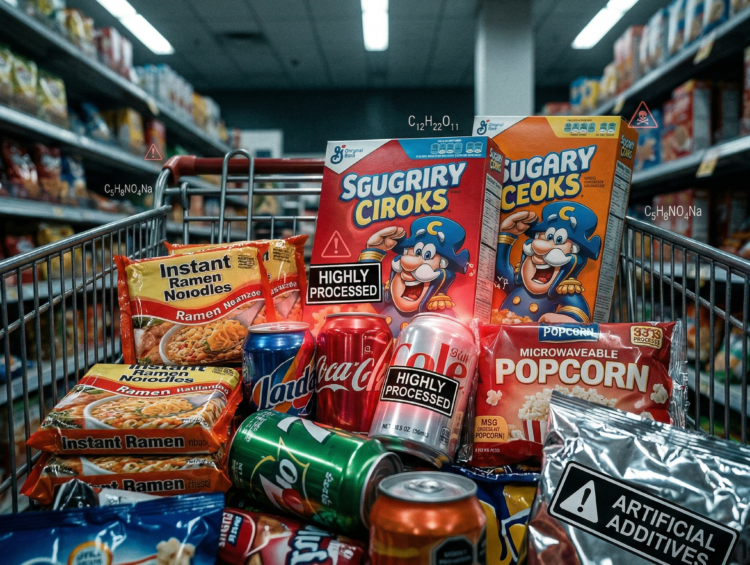
 Isabella Miller
 The majority of food products in grocery stores face existing regulations yet various popular items include components which have generated health controversies and which numerous countries presently eliminate from their products and health specialists often identify these products as items to limit or avoid because they contain high levels of heavy metals and controversial synthetic dyes which can harm long-term health.
Mountain Dew (Brominated Vegetable Oil)
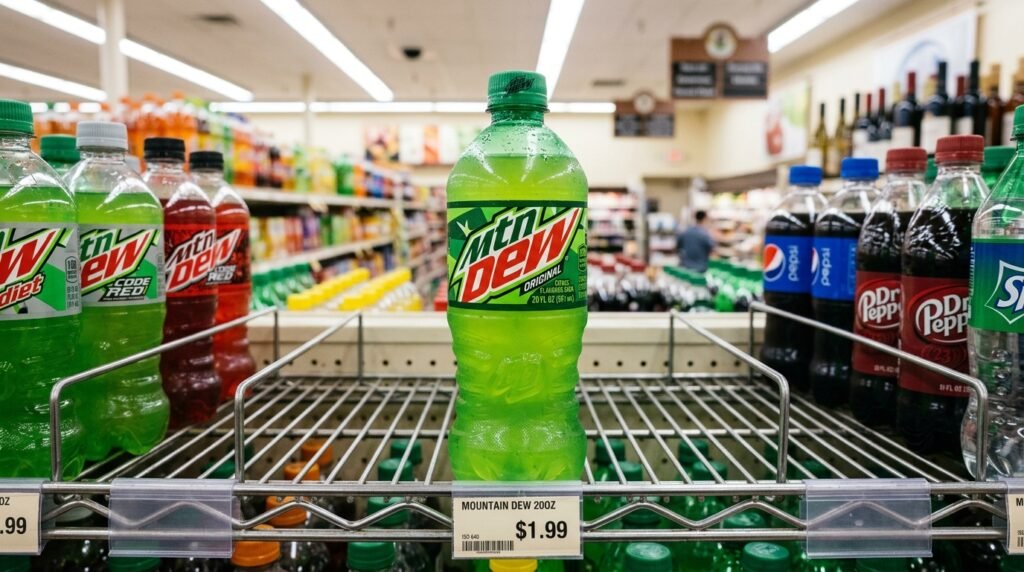
This popular citrus soda has long used Brominated Vegetable Oil (BVO) as an emulsifier and the patented flame retardant for plastics which is currently being phased out in certain areas has been associated with memory loss and skin problems when people consume it in excessive amounts.
Honey Smacks Cereal (High Sugar)
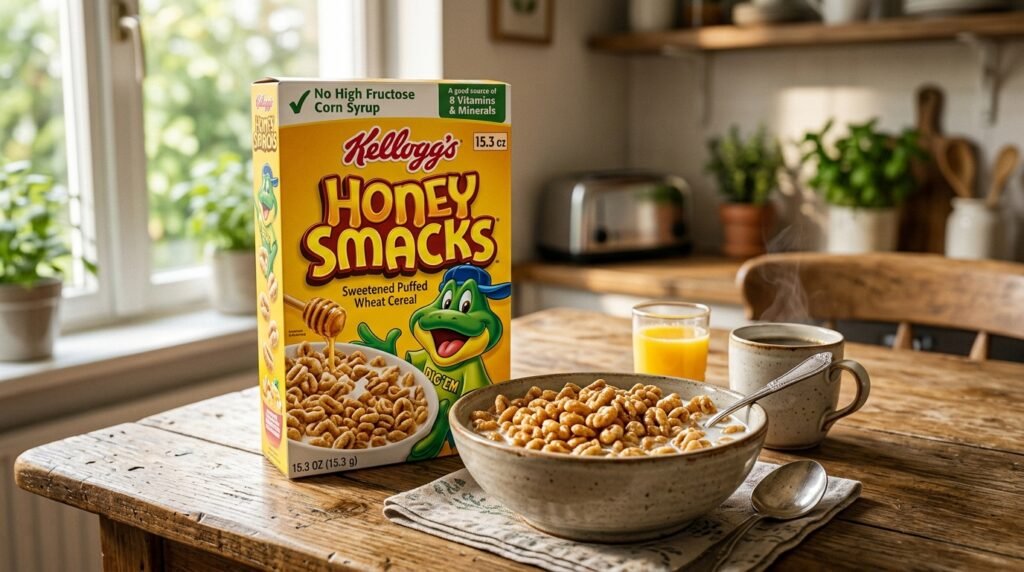
This cereal contains over 50% sugar by weight which makes it one of the least nutritious breakfast choices according to common breakfast cereal rankings and the product contains 18 grams of added sugar per serving which makes it more similar to dessert than to breakfast food that provides energy for a worker who needs to remain active throughout the day.
Signature Select Arborio Rice (Heavy Metals)
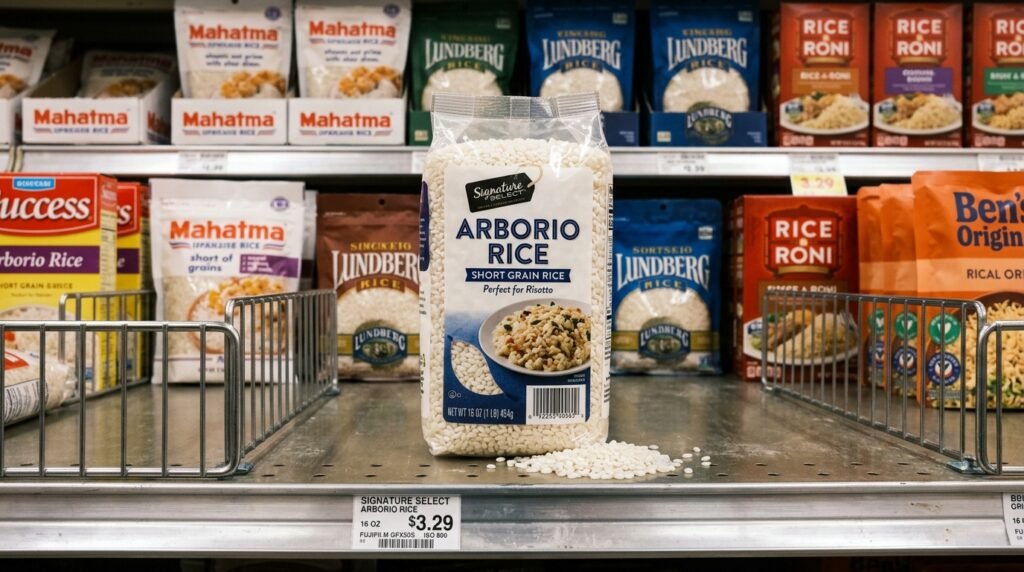
Recent 2026 reports have flagged specific rice brands for high levels of cadmium and arsenic. The soil naturally provides these metals to rice plants which results in dangerous health effects when people eat contaminated rice products that have extreme metal contamination.
Maruchan Instant Ramen (High Sodium)
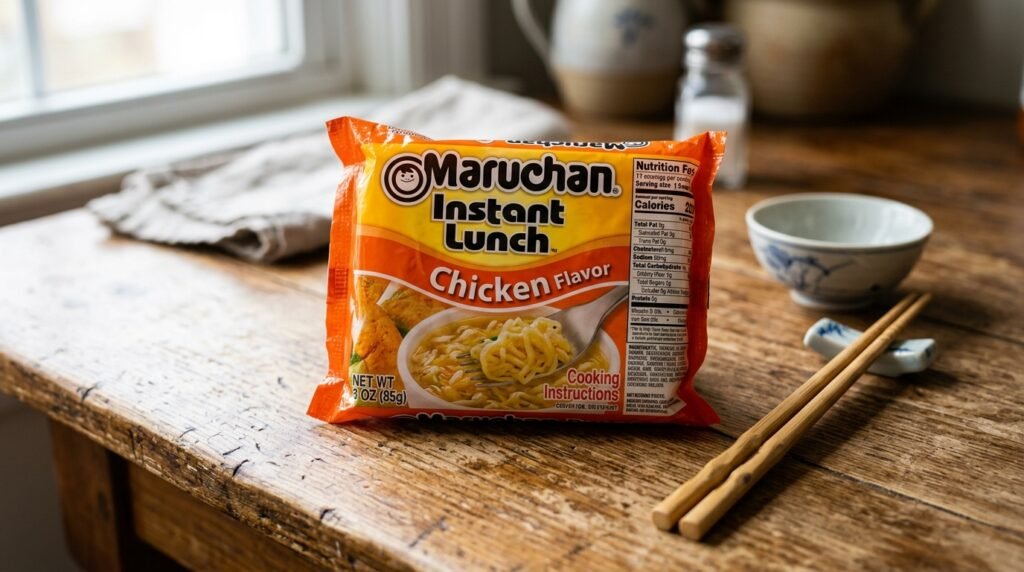
The sodium content in one noodle pack exceeds 50 percent of the maximum daily sodium intake recommended for consumption and daily consumption of this food which contains both salt and TBHQ synthetic preservative poses significant risks to heart health.
Lunchables (Processed Meats)

These snack kits provide convenience because they contain ultra-processed meats which have high sodium content and include nitrates as preservatives. Health organizations have established a connection between regular preservative consumption and digestive issues that occur more frequently.
Coffee Mate Creamer (Hydrogenated Oils)

The process of making non-dairy creamers requires manufacturers to use partially hydrogenated oils which produce a creamy mouthfeel. These fats create trans fats which boost “bad” cholesterol levels while raising heart disease risk through their gradual body accumulation.
Little Debbie Oatmeal Creme Pies (High Fructose Corn Syrup)
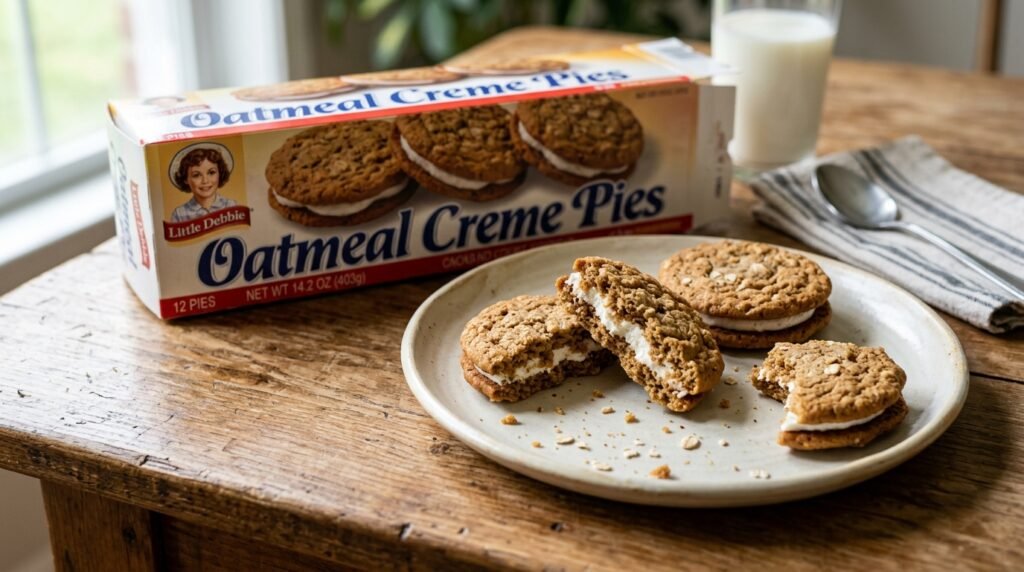
These snacks contain a mixture of high fructose corn syrup and palm oil and artificial flavors which make up their ingredients. The lack of fiber combined with a massive sugar spike makes them a major contributor to metabolic stress.
Protein Powders with BPA
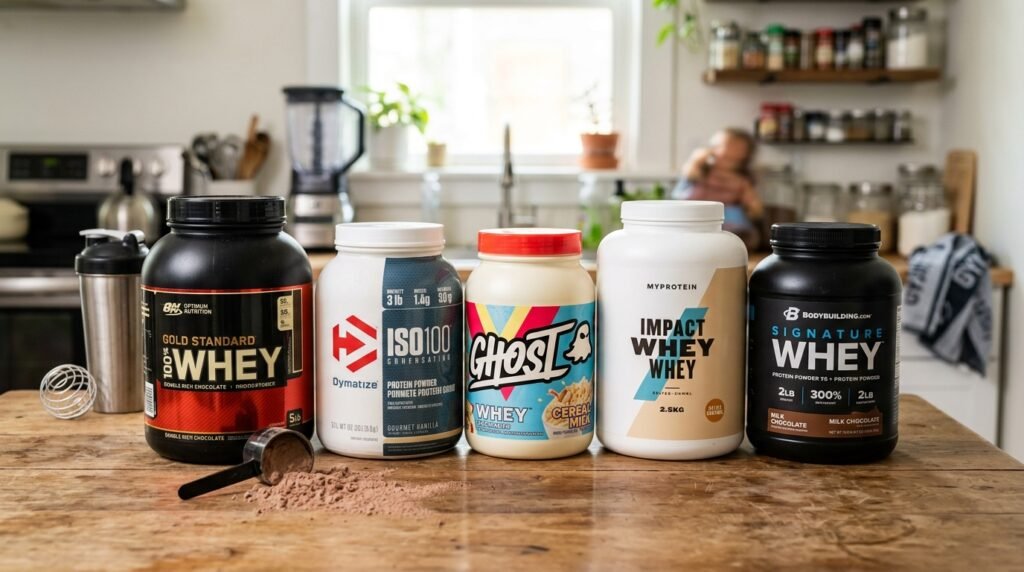
Protein supplements that are popular contain traces of BPA and heavy metals including lead. The two main ways these substances enter proteins include production methods and soil contamination of protein source cultivation areas.
Diet Sodas with Aspartame
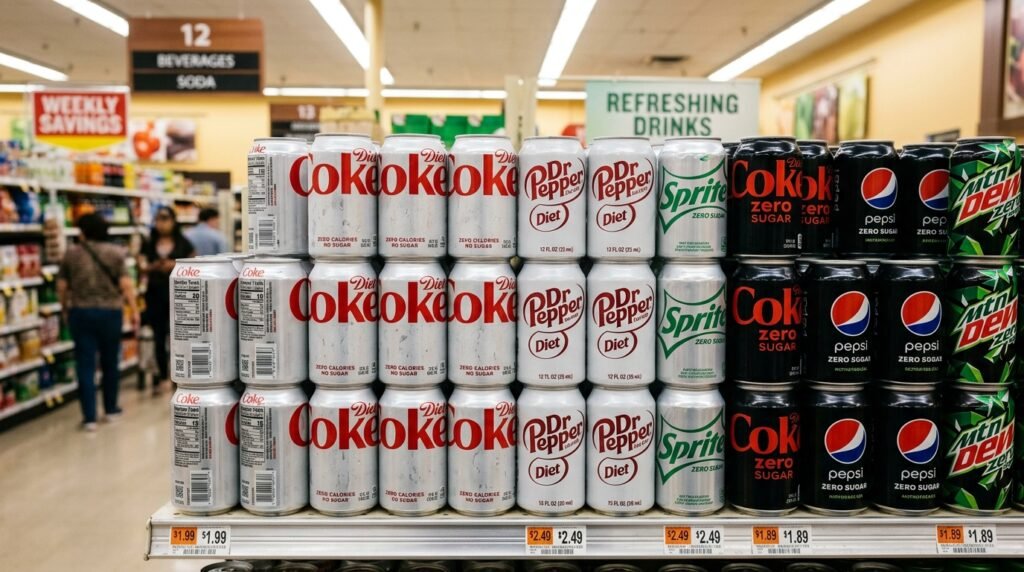
Aspartame exists in many “sugar-free” diet sodas which doctors debate about its health effects. International health organizations regard the substance as a potential risk to cell health over extended periods.
Microwave Popcorn (PFAS Packaging)
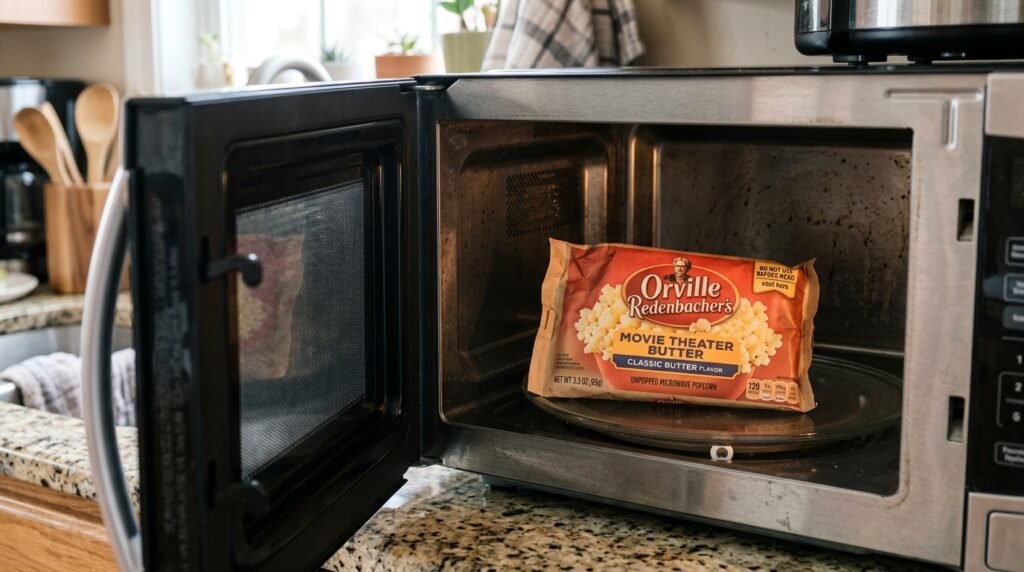
PFAS functions as a lining material for microwave popcorn bags because it stops grease from leaking out and the body retains these chemicals which enter food products and food products.
Canned Soups with BPA Linings
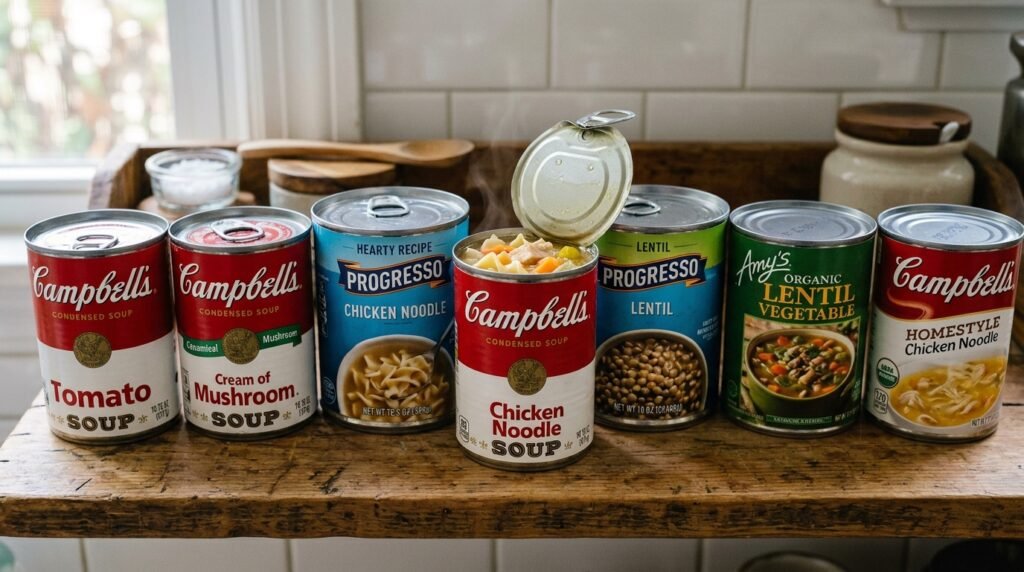
Canned goods from various brand names including famous soup brands still use epoxy resins which contain BPA for their product interior linings. The chemical leaches into soup which has acidic properties and it disrupts the body’s hormone regulation system.