 Sophia Davis
 The natural world operates as a peaceful place which functions through its unfeeling efficiency. The natural world possesses biological traps and plants that produce silent screams which enable its organisms to survive through any means necessary. Wild areas contain hidden phenomena which demonstrate their complex nature and strange characteristics.
The Exploding Sandbox Tree
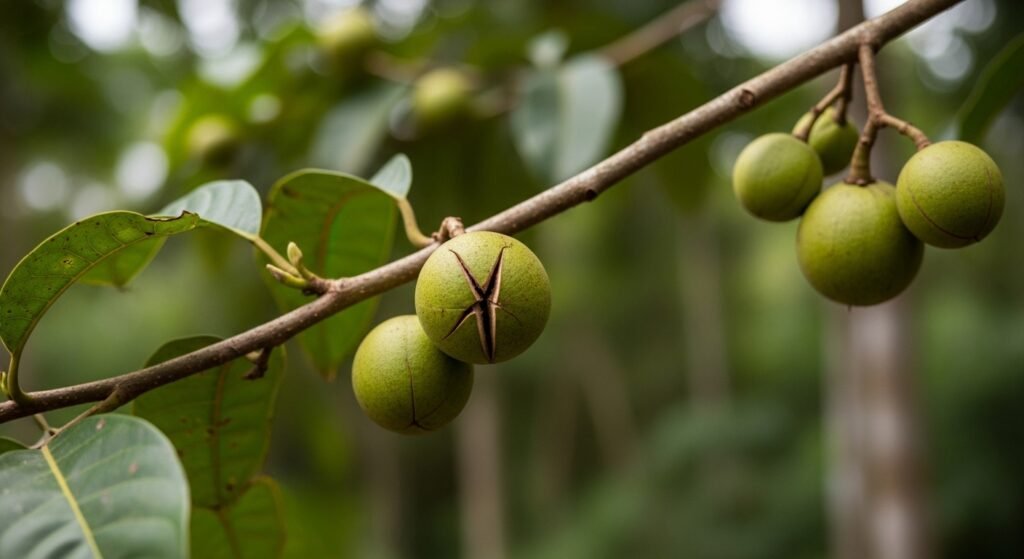
This Amazonian tree produces fruit which resembles a miniature pumpkin and the ripe fruit bursts open with a gunshot sound after it dries out, launching its seeds at 160 miles per hour. The seeds function as natural shrapnel, with the ability to travel more than 100 feet, which can harm any animal or human who comes into their path.
The “Screaming” Tomato Plant
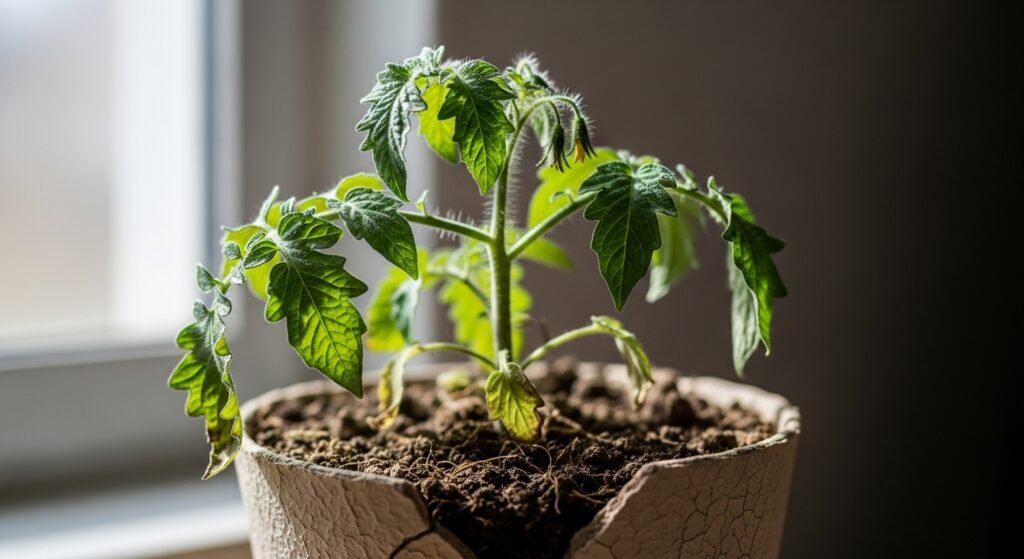
Scientists discovered that plants under drought conditions or physical harm produce ultrasonic sounds at high frequencies. Humans cannot detect these sounds, which reach the same volume level as a person shouting. To nearby insects and animals, the sound of a field with dry crops resembles a distress chorus.
Zombie Snail Parasites
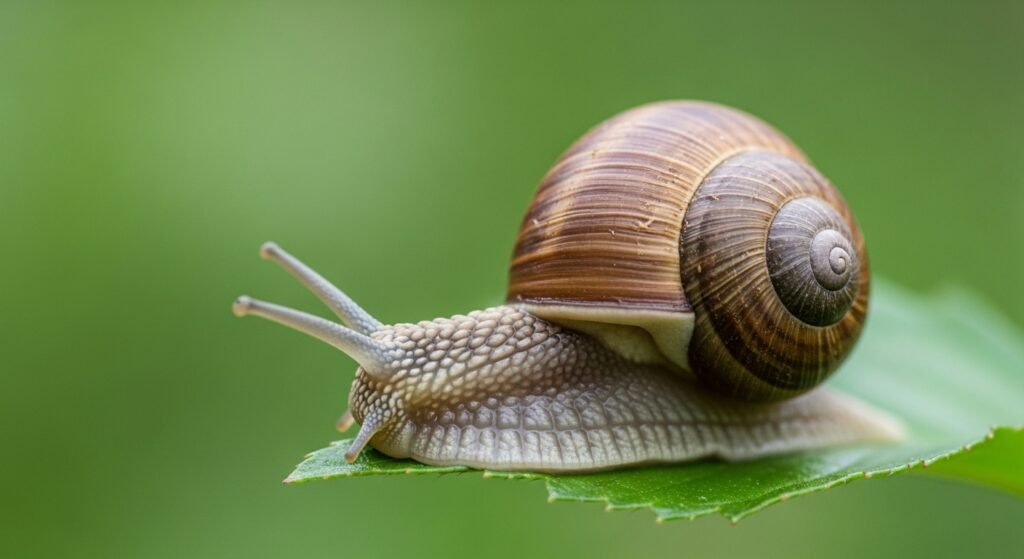
The Leucochloridium parasite enters a snail and travels to its eye stalks and this snail uses a slug-like display which attracts birds to eat it because it looks like a moving caterpillar. The parasite takes control of the snail brain to force it outside into bright sunlight, which makes it easy for predators to find.
Trees That Practice “Shyness”
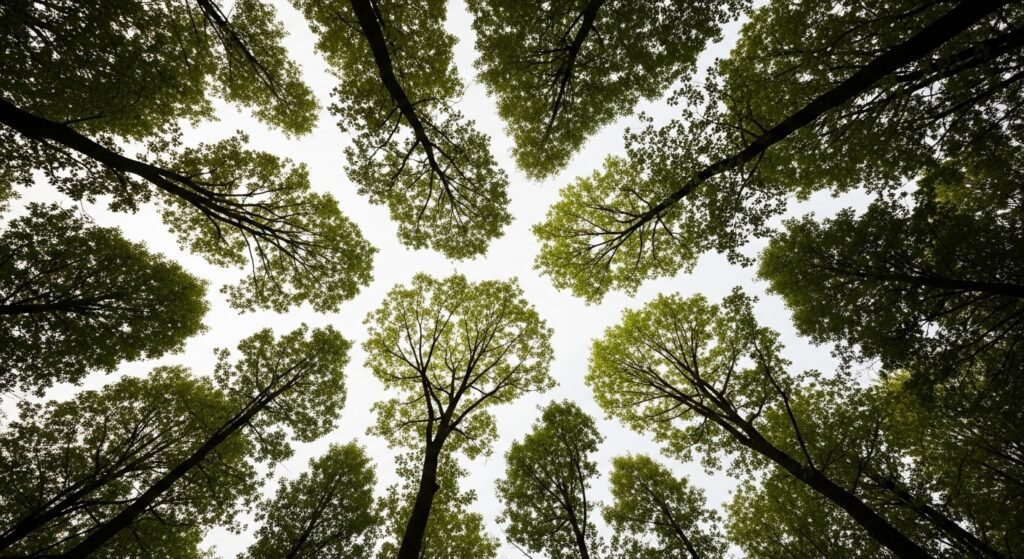
In some forests, mature trees maintain an open space above their crowns, which creates a canopy with channels between the tree tops and trees use this “crown shyness” behavior to prevent leaf-eating larvae and diseases from spreading, which leads to their development of separate “quarantine” areas for each tree to protect its resources from nearby trees.
The Ant-Decapitating Fly
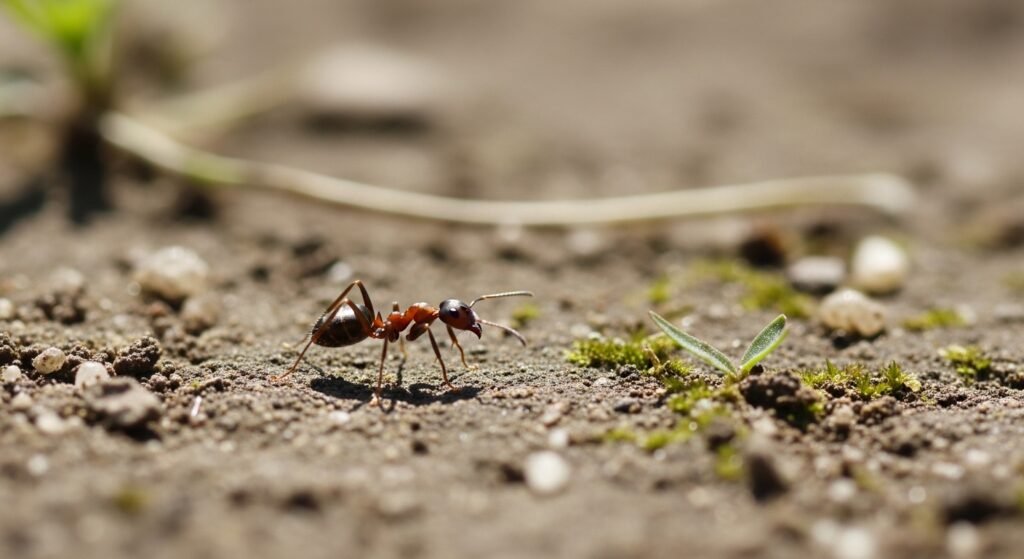
A tiny species of fly lays its eggs inside an ant’s body, this growing larva moves to the head of the ant, where it produces an enzyme that breaks down the tissue connecting the head to the body and this head detaches from the body, which allows the fly to undergo its transformation inside the empty skull until it becomes an adult.
Underwater “Brinicles”
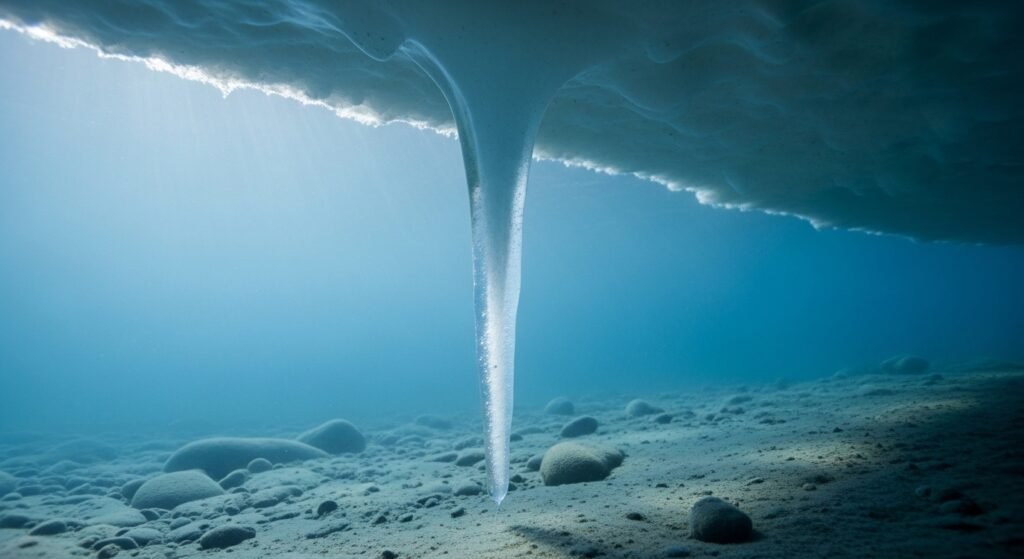
The Antarctic ocean produces “fingers of death” which create ice structures that extend into its frozen depths. These tubes contain extremely salty water which sinks to the ocean floor and maintains a temperature that is lower than nearby ocean water and this brinicle creates instant freezing upon contact with the sea floor, which creates ice barriers that trap starfish and urchins within a frozen prison.
Fairy Circles of the Desert
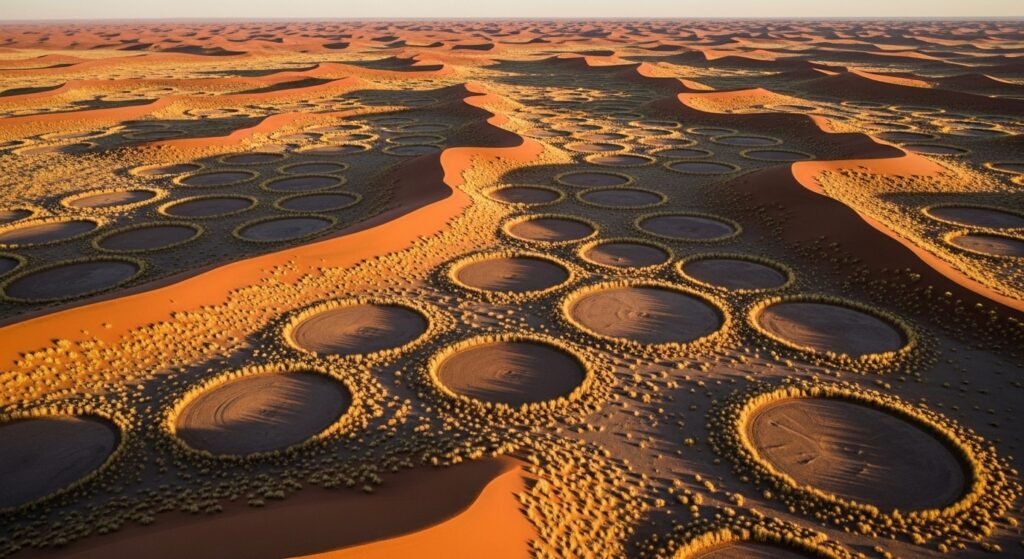
The Namib Desert displays millions of circular areas where grass has created empty circles of earth. Scientists failed to identify their cause for many years. The researchers discovered that “dead zones” form through the combined actions of sand termites and plant competition, which leads to water resource distribution throughout the landscape that creates a giant, eerie honeycomb appearance.
Vampire Finches
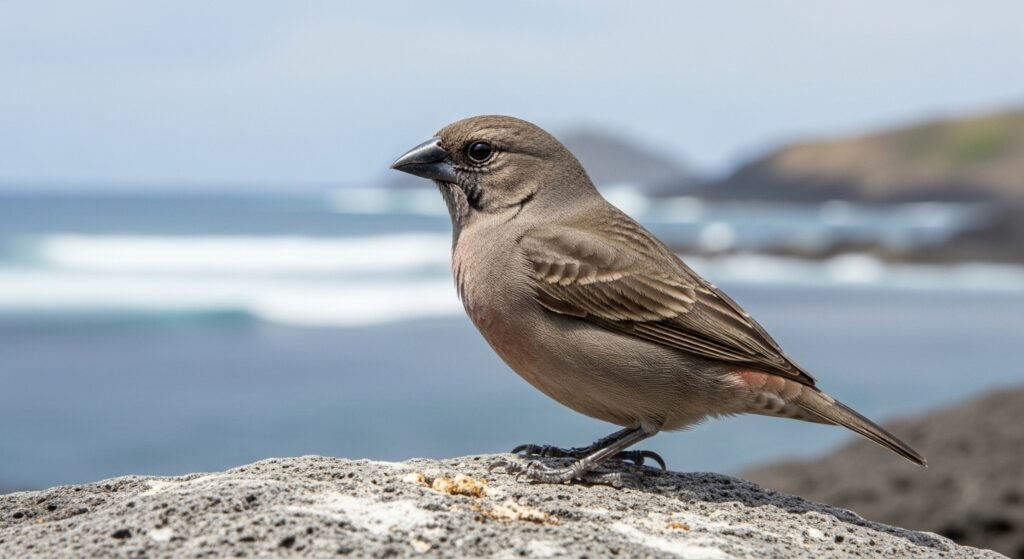
A specific finch species on the Galápagos Islands has evolved to drink blood. The birds use their beaks to create skin wounds on larger seabirds when food becomes scarce. The larger birds strangely do not fly away, allowing the finches to drink their fill in a bizarre, one-sided relationship.
The “Death Grip” Fungus
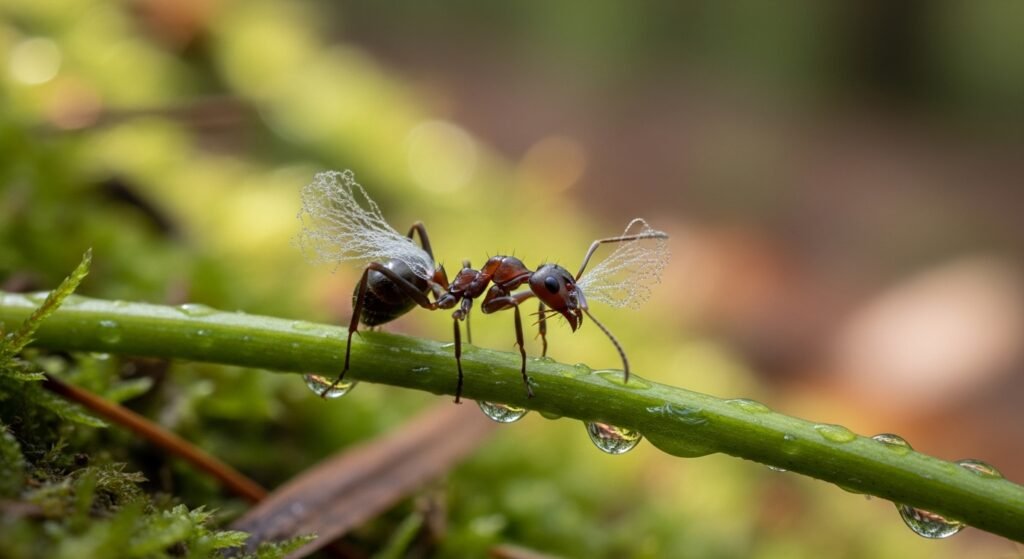
The Ophiocordyceps fungus infects ants and takes control of their muscles and this ant is forced by the fungus to climb 10 inches above the ground, where it must find a leaf and use its jaws to create a “death grip” on a vein and this fungus develops a stalk out of the ant head to release spores that spread to the colony below.