 Isabella Miller
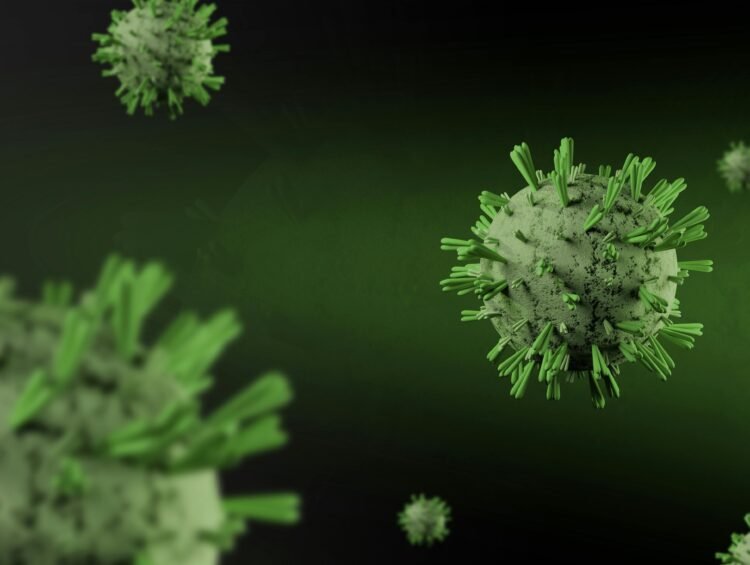
 The discovery of Ushikuvirus in biology challenges scientists to redefine the limits between living organisms and dead matter. The giant virus discovered at Ushiku-numa pond in Japan exhibits dimensions and structural complexity that make it impossible to decide whether it is an elementary germ or an advanced cellular organism. Scientists think that these giant viruses represent the essential evolutionary element which allowed basic life forms to transform into the complex beings known as animals and humans.
The Size of a Bacteria
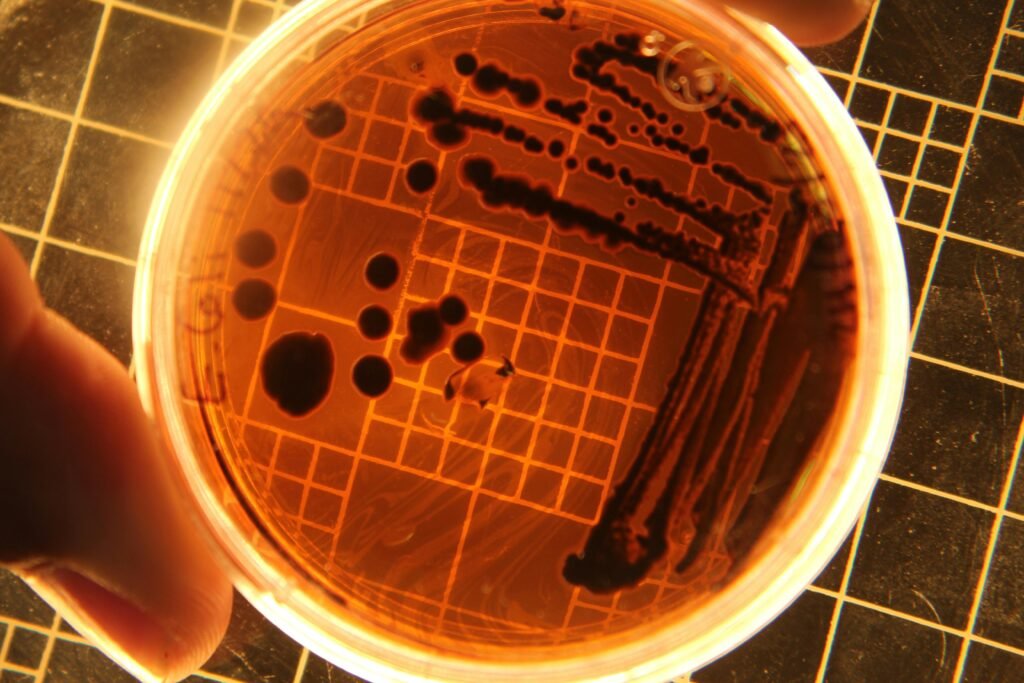
Most viruses are small, but scientists can view Ushikuvirus through standard light microscopy equipment because it is a giant virus. The “monsters” of the microscopic world include these organisms because they possess greater size than certain bacteria.
A Massive Genetic Library
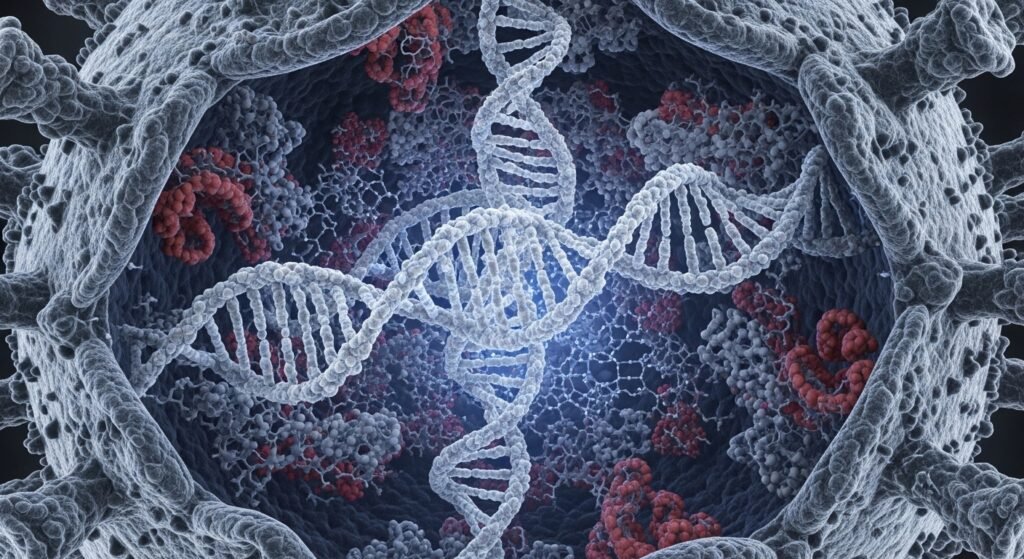
The Ushikuvirus contains hundreds of genes while a flu virus contains only a few genes. The organism possesses an extensive DNA collection which enables it to execute functions that most viruses cannot perform, including self-repair of their genetic material.
The “Fourth Domain” Theory
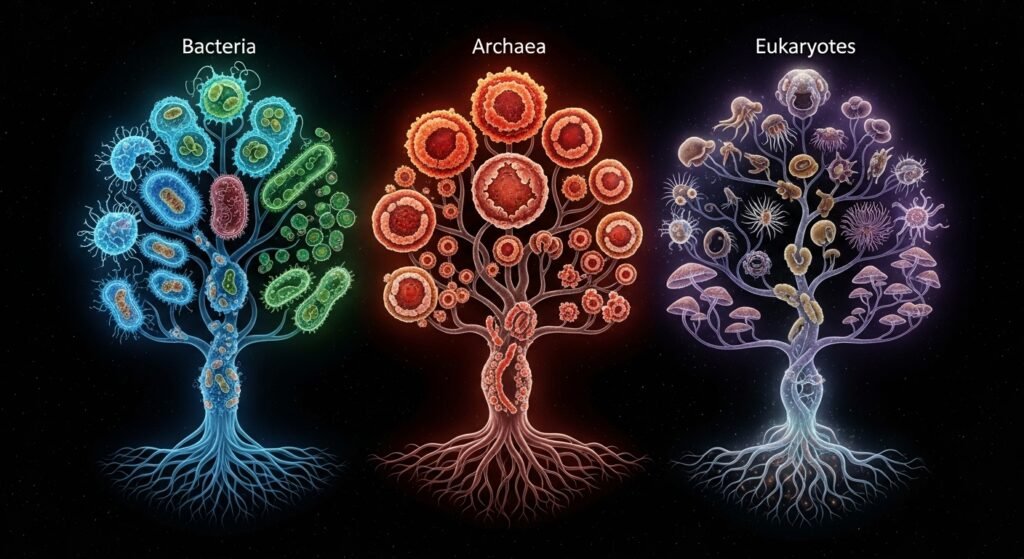
Biologists usually group life into three categories (Bacteria, Archaea, and Eukaryotes) and the complexity of Ushikuvirus suggests there might be a “fourth domain” of life that we have ignored for billions of years.
Creating a “Viral Nucleus”
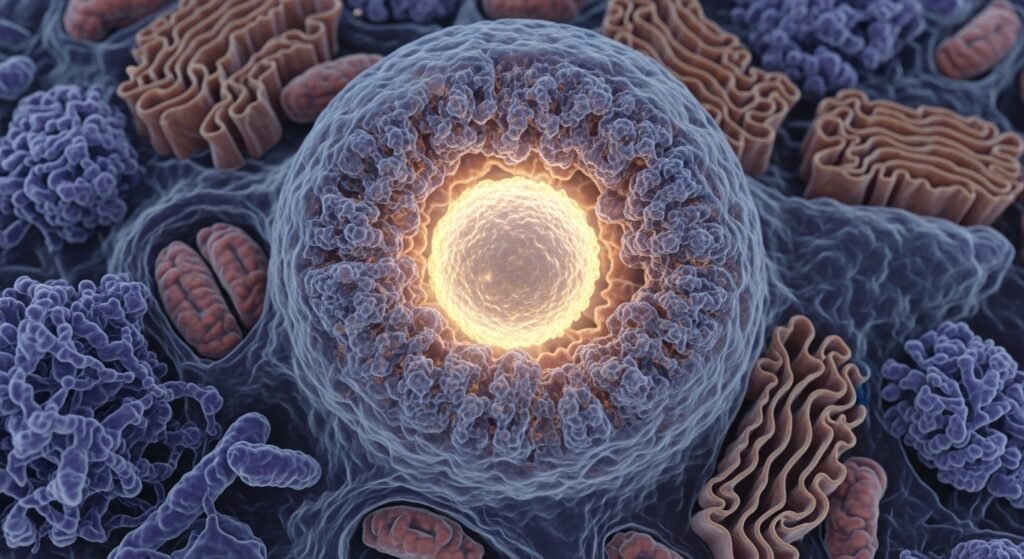
Ushikuvirus uses its infection process to create a factory which exactly replicates the structure of a human cellular nucleus. The research shows that our cell nucleus originated from a viral infection that occurred in ancient times.
Metabolism on the Move
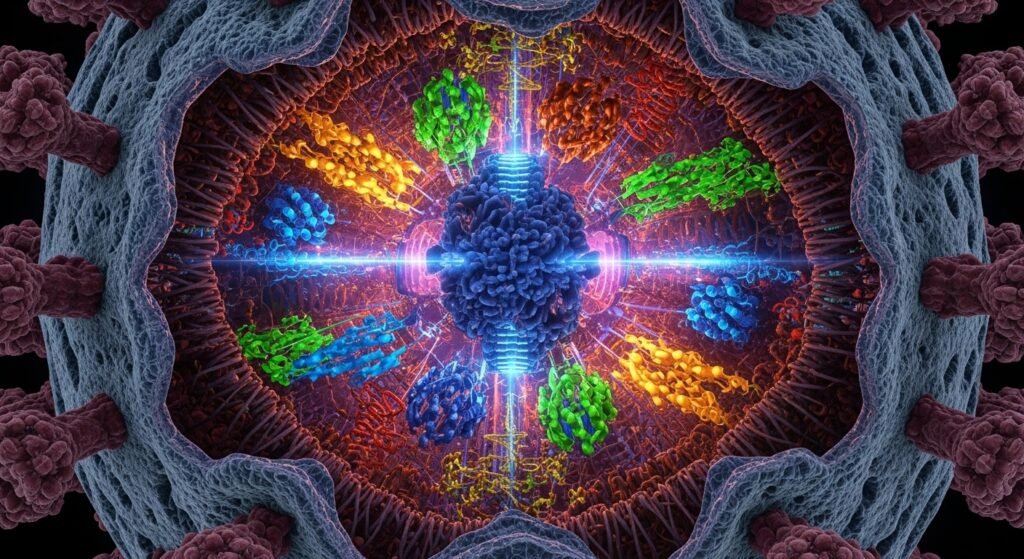
Normal viruses are “dead” until they hit a host, but giant viruses carry genes for metabolism. The organism can produce its own energy through a mechanism that scientists previously believed only to exist in living cells.
Predator of Amoebas
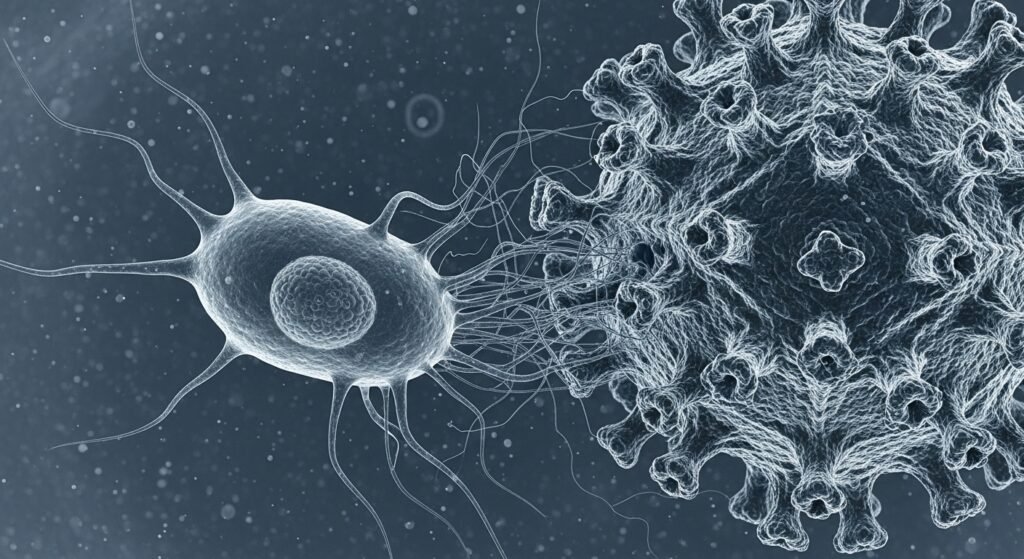
Scientists discovered Ushikuvirus by “fishing” for it with amoebas, which they used as bait. The viruses from this group behave like predators because they actively pursue and infect larger single-celled organisms instead of functioning as basic infectious agents.
The Mimivirus Connection
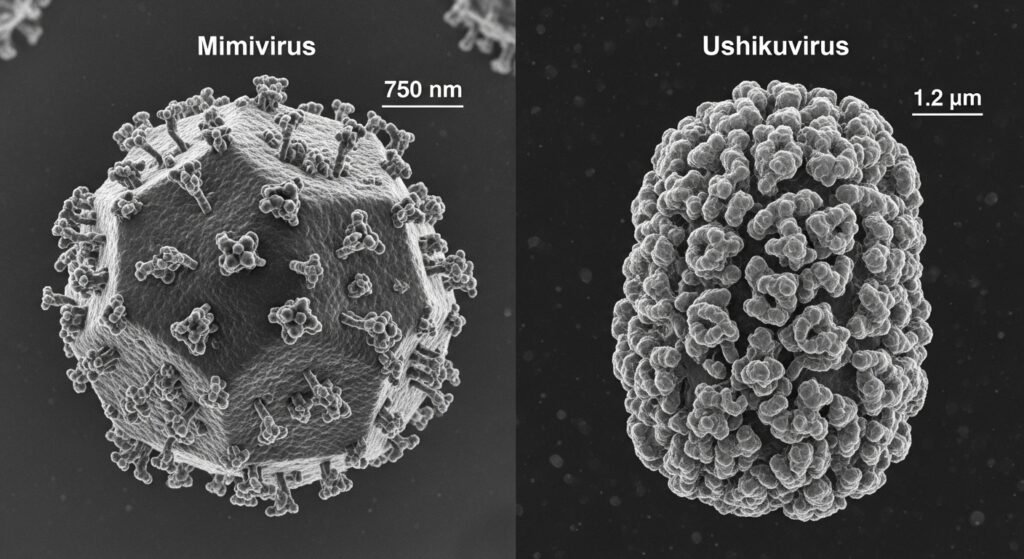
The discovery at present follows the path of “Mimivirus,” which scientists first discovered in 1992 as the first giant virus. The evidence from Ushikuvirus shows that giant organisms form an essential component of the Earth’s ecosystem.
Borrowing Human Genes

Ushikuvirus carries genes which bear close similarity to the genes that exist in complex animals. The species has evolved through millions of years into a DNA transporter which moves genetic material between different species.
Evidence of Chimeras
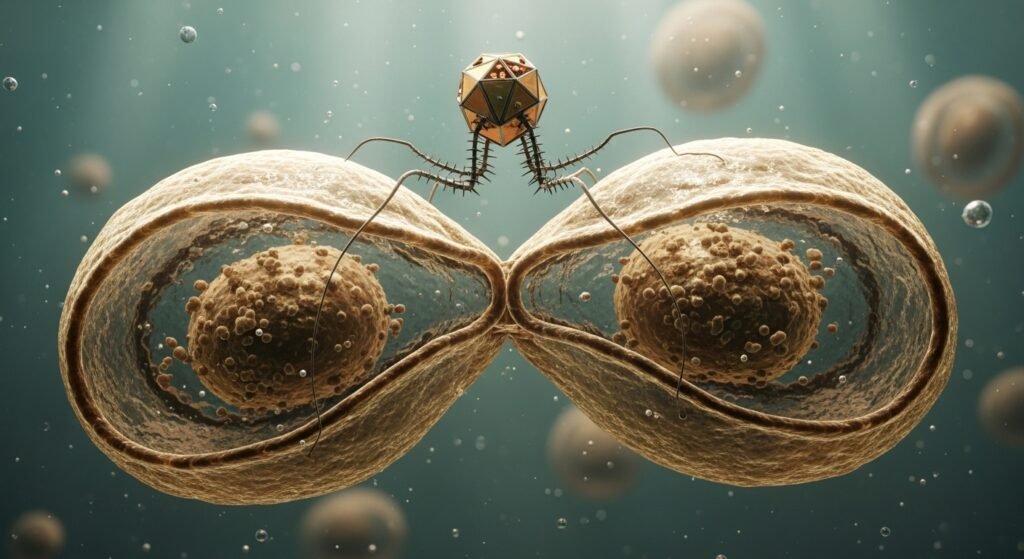
The merging of two simple cells led to the emergence of complex life forms. The virus Ushikuvirus shows how a viral agent served as the “glue” which joined these cells together to produce the first multi-celled ancestor.
Protein Folding Mastery
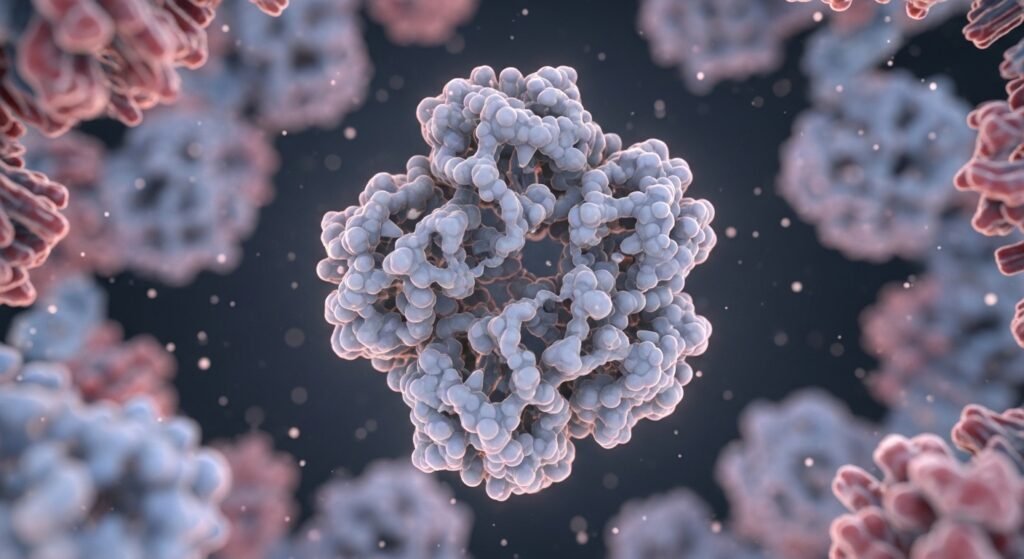
Ushikuvirus possesses its own mechanisms, which enable it to transform proteins into intricate structures. The task requires high-level biological competence, which standard viruses transfer to their host cells but shows extreme system independence.
Surviving in Pond Muck

The discovery of the organism in a Japanese pond demonstrates that scientific breakthroughs can occur in ordinary locations. The evidence indicates that numerous “missing links” between species probably exist in local parks and lakes.
Rewriting the Tree of Life
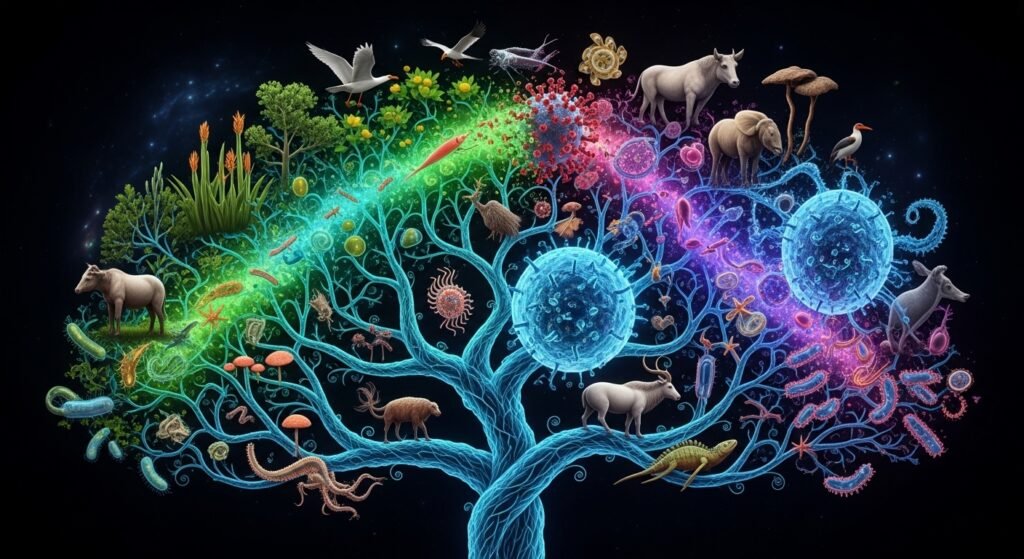
By studying Ushikuvirus, researchers are discovering that viruses function as both “takers” and “givers” by providing essential machinery for the development of all plant and animal life.