 Isabella Miller
 Garlic gets the same treatment in most kitchens every single time. Chopped up, hot pan, two minutes, done. Nobody questions it. But there is a version of garlic that most people who cook regularly have never actually experienced and it lives on the other side of real heat and real time. What happens to it there is worth knowing about.
Raw Is Not the Whole Story
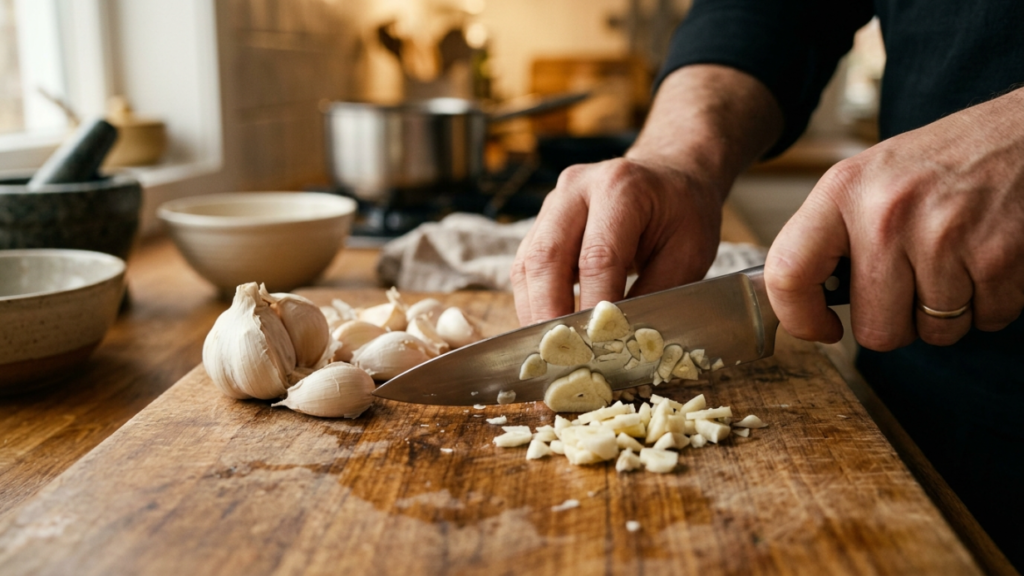
Sharp, aggressive, follows a person around for hours after eating it. That is the garlic most people know. It is not wrong. It is just the beginning of what this ingredient actually does.
Forty Minutes in the Oven
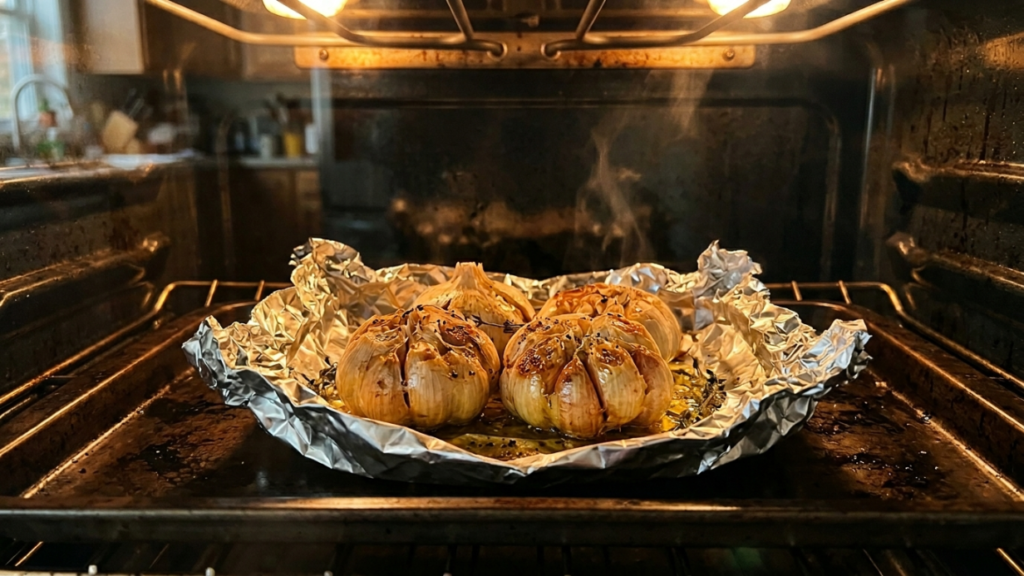
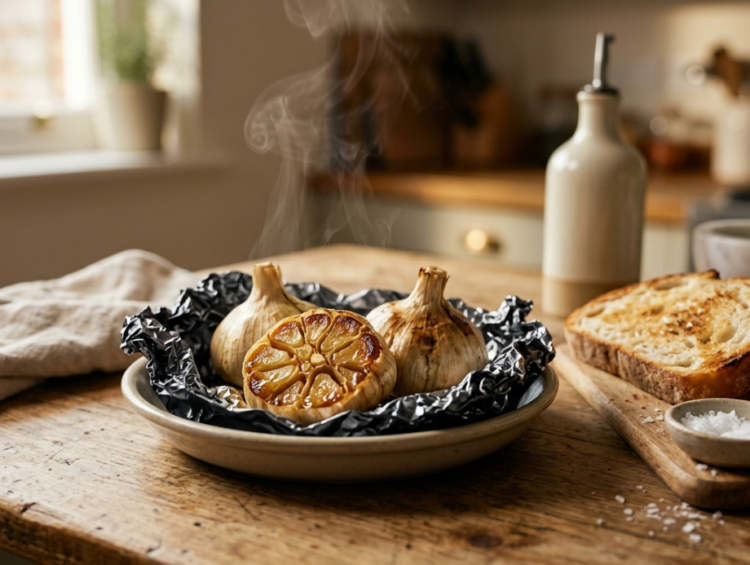
Whole bulb, top cut off, oil on it, foil around it, oven at around 400 degrees. Forty minutes later something completely unrecognizable comes out. Soft, golden, sweet enough to eat with a spoon. The sharpness is gone entirely. Nothing about it bites anymore.
Squeezes Out Like Paste
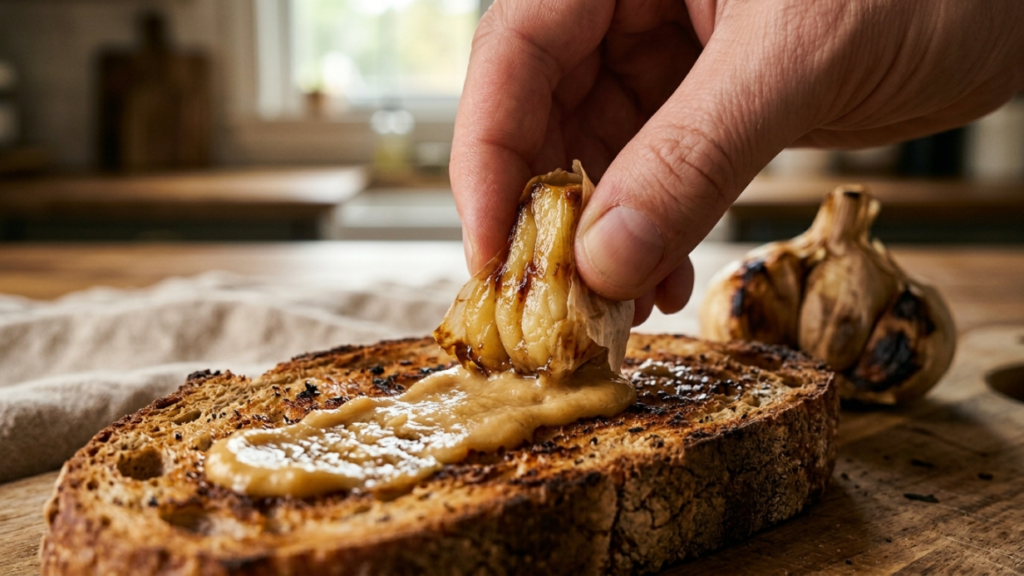
Raw garlic is firm and takes effort. Roasted garlic comes straight out of the skin with light pressure from two fingers. Mashes into anything without resistance. Blends into a sauce and disappears. Spreads across bread the way butter does. Same ingredient that an hour ago needed a knife and a cutting board.
Low Heat Does Something Different
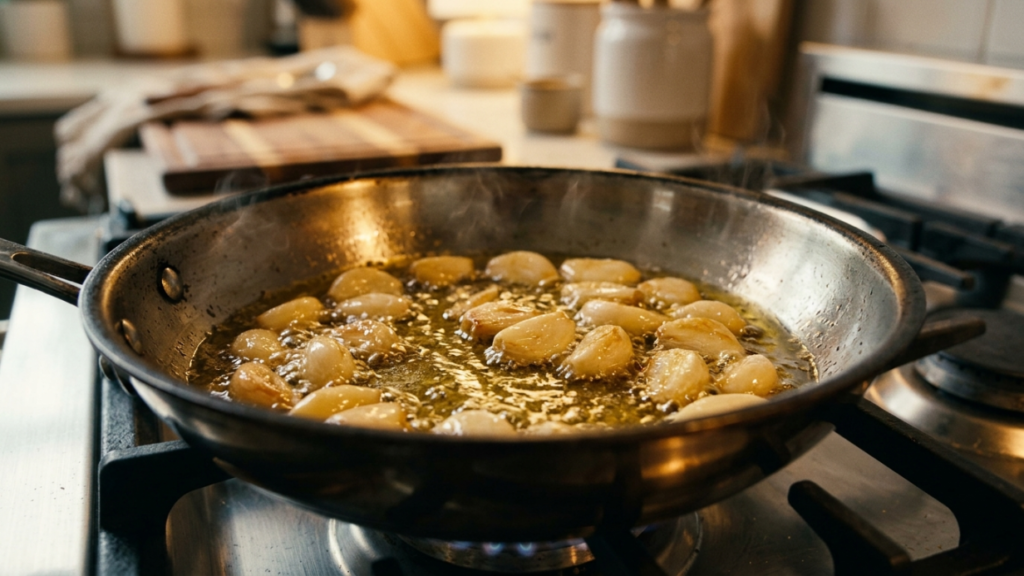
Garlic in olive oil over the lowest possible flame for thirty minutes without letting it color produces something that neither raw nor roasted garlic produces. A soft, deep, rounded flavor that has no sharpness left and no sweetness either. Just depth that sits in the background of whatever it goes into.
The Smell Is a Different Thing Entirely
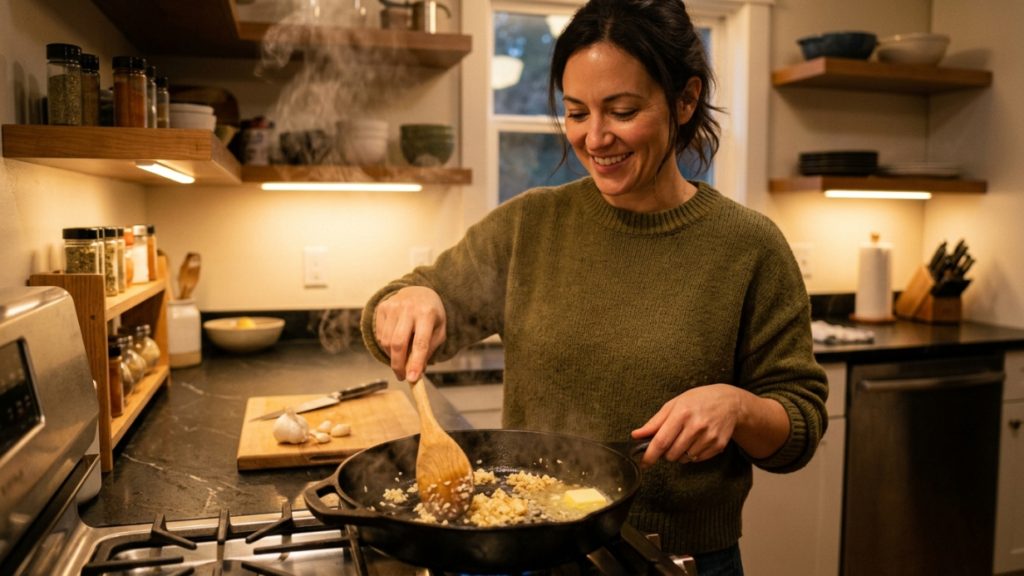
Raw garlic in a bowl has one kind of smell. Garlic going slowly in butter and oil in a pan has a completely different one. Warm, rich, the kind that pulls people into the kitchen from other rooms. Same ingredient responding to heat in a way that changes everything about how it registers.
Eat It Whole
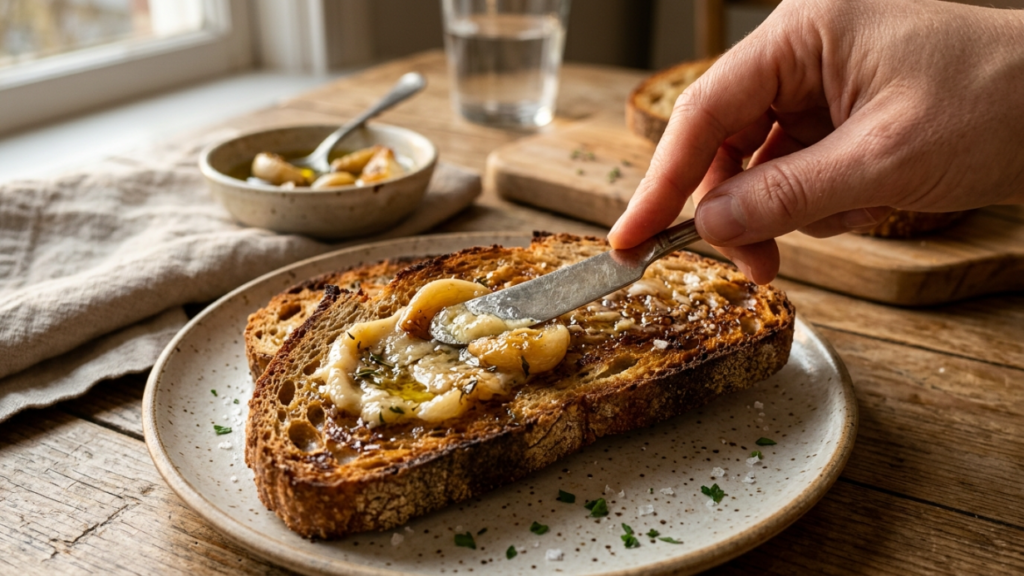
A raw clove eaten whole is not an experience most people want twice. A roasted clove eaten whole off a piece of bread is something people go back to the kitchen for. That gap between the two versions of the same thing is what most people have never explored.
Where to Actually Use It
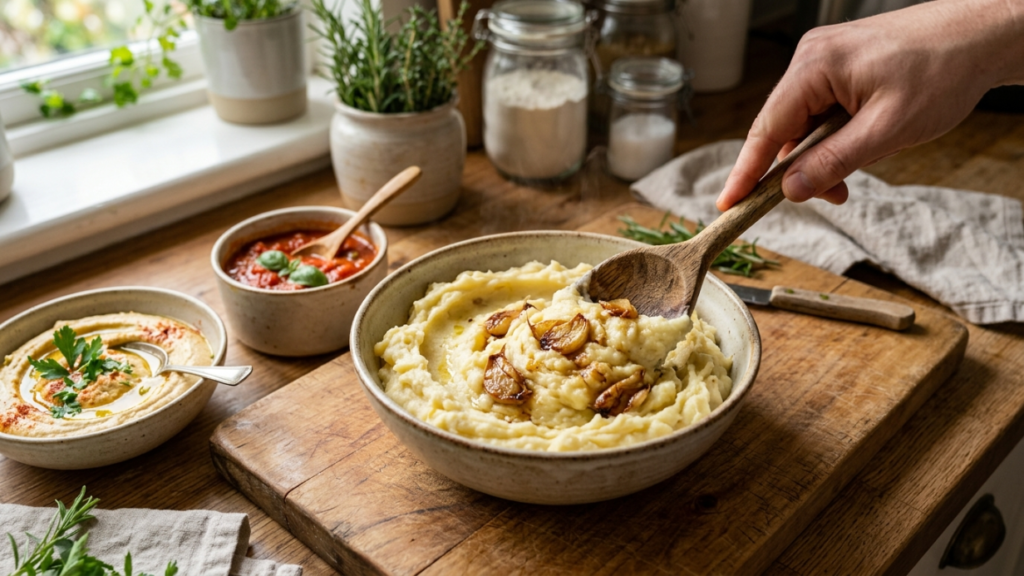
Roasted garlic squeezed into mashed potatoes. Blended into hummus. Stirred into butter before spreading on bread. Folded into salad dressing. Added to tomato sauce where it melts in completely and makes everything taste better without anyone being able to name what changed.
The Version Nobody Uses
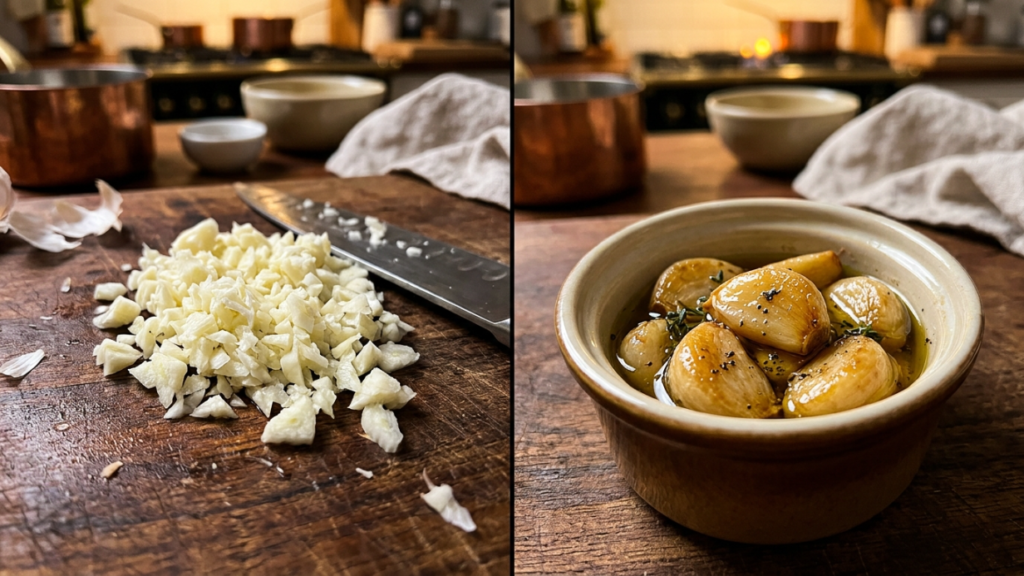
Most cooking with garlic stops at the two minute mark. Fast, hot, done. That method works and produces something good. It does not produce what garlic becomes when treated differently. The ingredient available in every kitchen right now is capable of something most people have never tasted from it and the only thing standing between the two versions is time.