 Sophia Davis
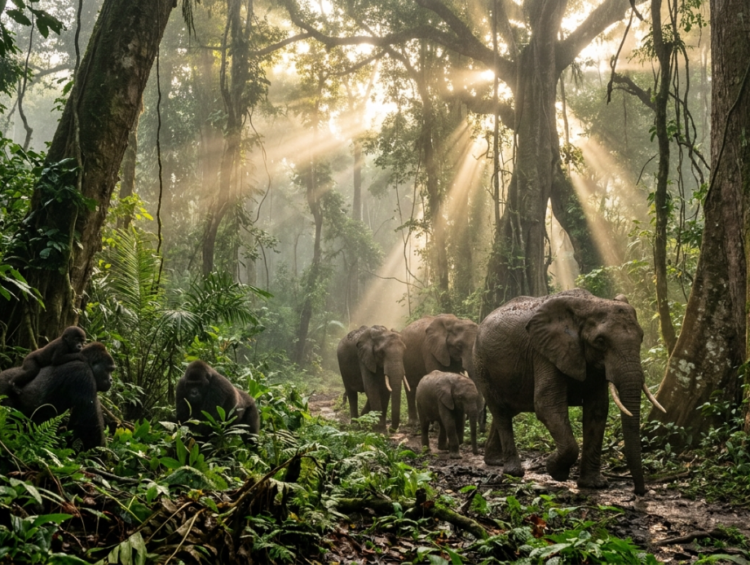
 Some of the rarest animals on earth still live in the forests of Central Africa. Gorillas, forest elephants, okapi, chimpanzees. But things on Earth move in ways that most humans of the place never pay proper attention to and the pace of that change is faster than it appears from afar.
Trees Coming Down Too Fast
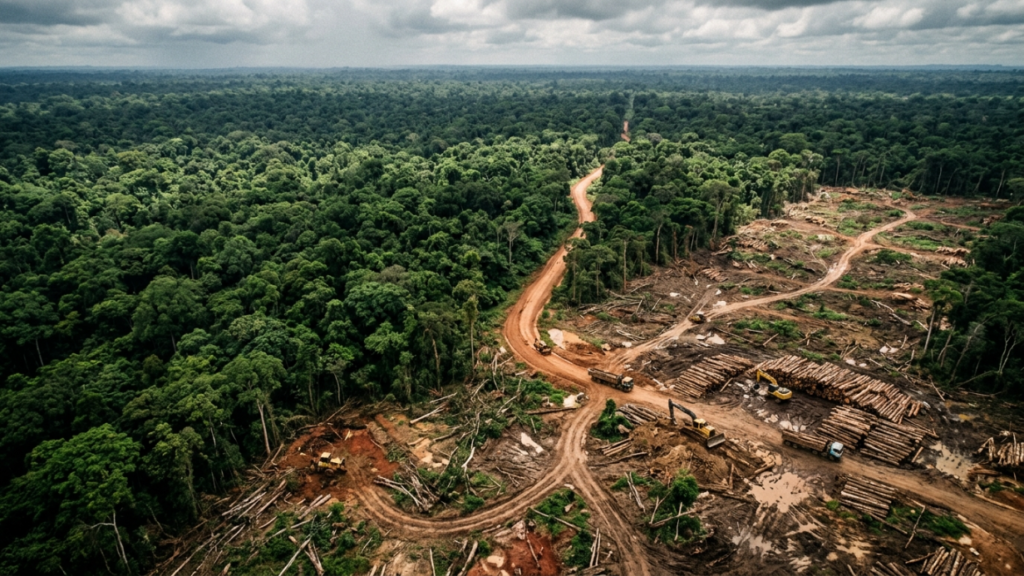
Forest cover has been declining for decades, and recently the value has not sunk. Animals that will survive densely forested areas lose land when any other part is cleared for agriculture or development.
More People Need More Food
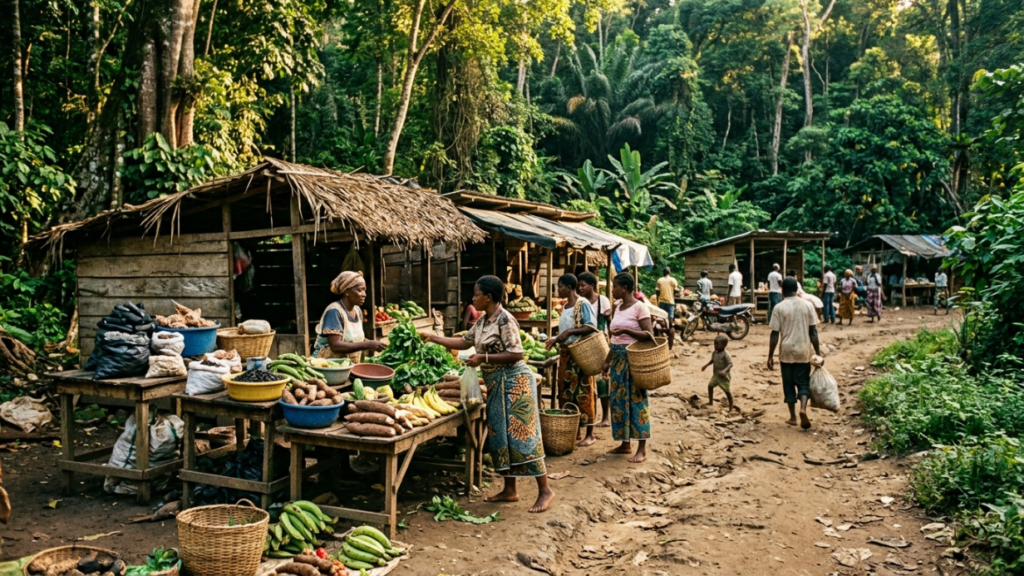
Urban populations grew significantly across the region over recent decades and wild animal protein became part of filling that gap. What was once small and local expanded into something much harder to manage or monitor.
Parks Cannot Be Watched Properly
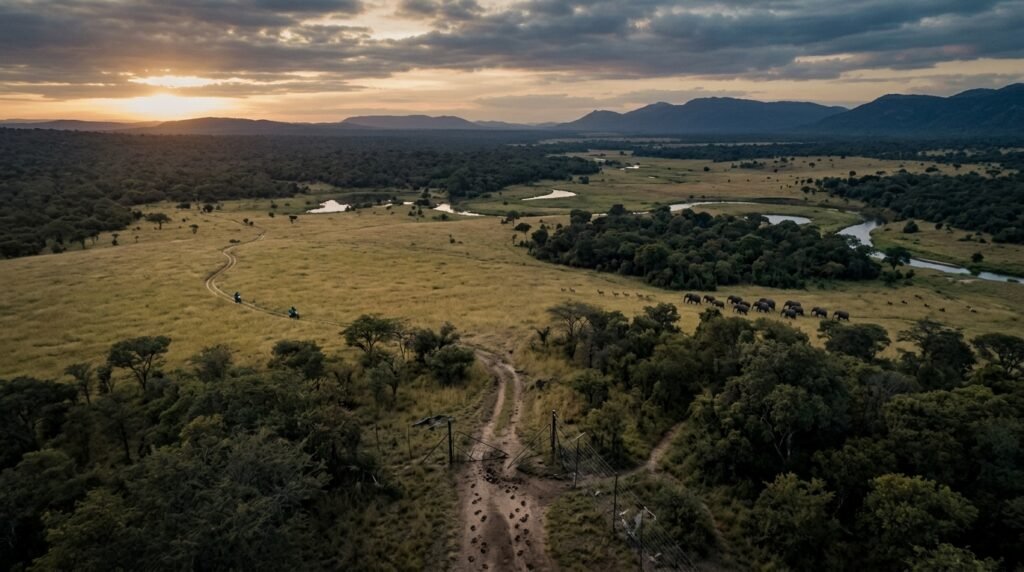
Most protected areas run with far fewer rangers than the territory actually needs. Large stretches go without any real monitoring for extended periods and that gap gets used regularly.
Gorillas Are Not Bouncing Back
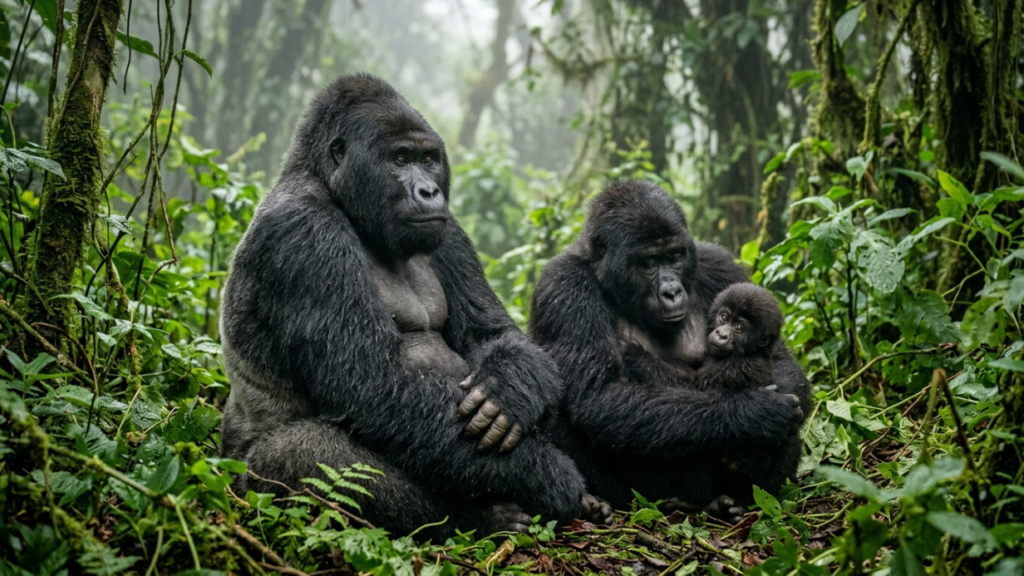
Populations that dropped sharply are not recovering quickly. Gorillas reproduce slowly and losing individuals from a group affects the whole social structure in ways that take years to become fully visible.
Forest Elephants Are Struggling
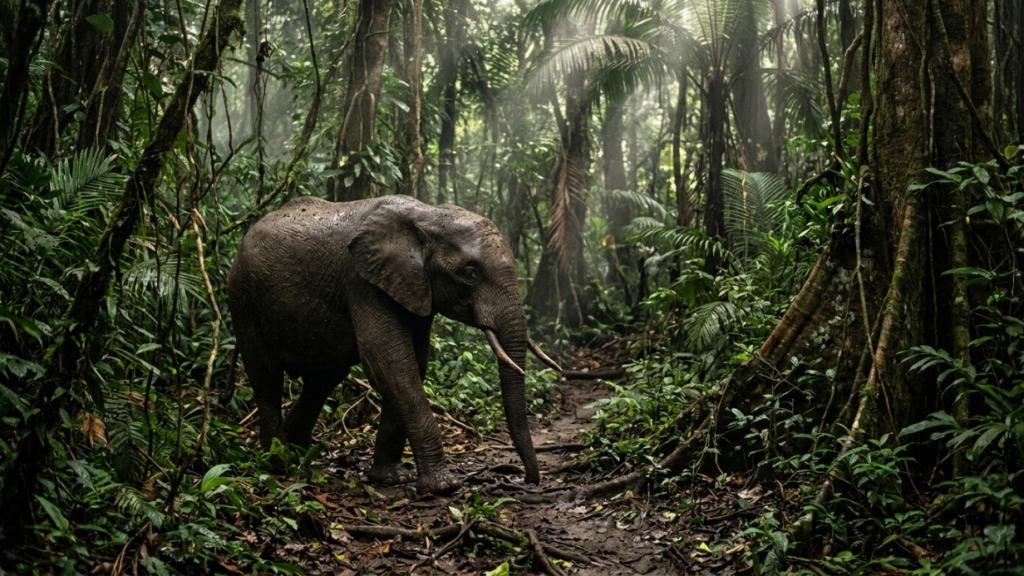
Only recognized as their own distinct species relatively recently and already in serious decline. Slow to reproduce and heavily dependent on specific forest conditions that keep shrinking from multiple directions.
Roads Changed the Access Completely
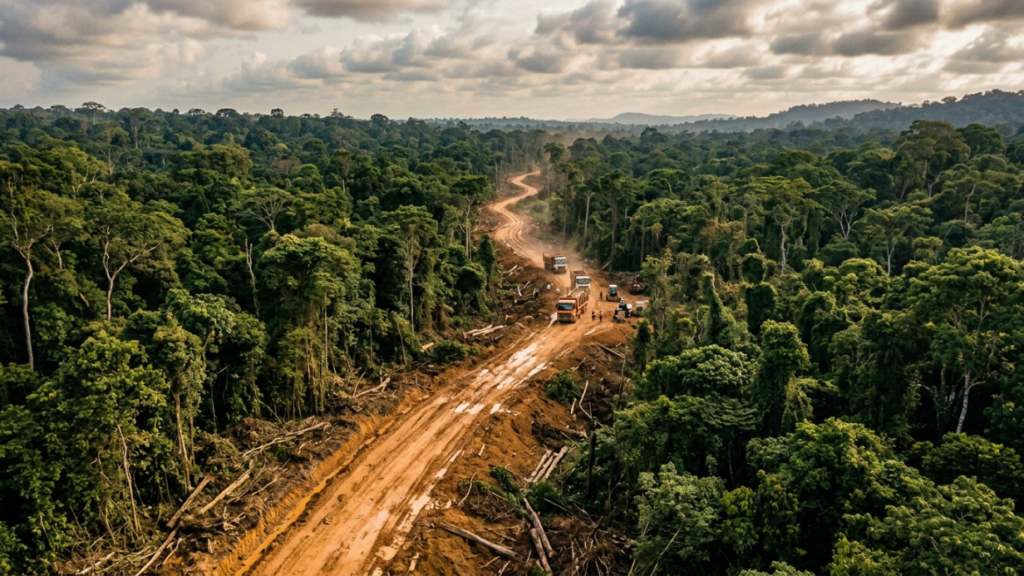
Infrastructure built for logging or mining cuts into areas that were effectively unreachable before. Once a road goes in the surrounding forest becomes accessible in ways it never was and wildlife feels that pressure immediately.
Local Communities Have Real Needs
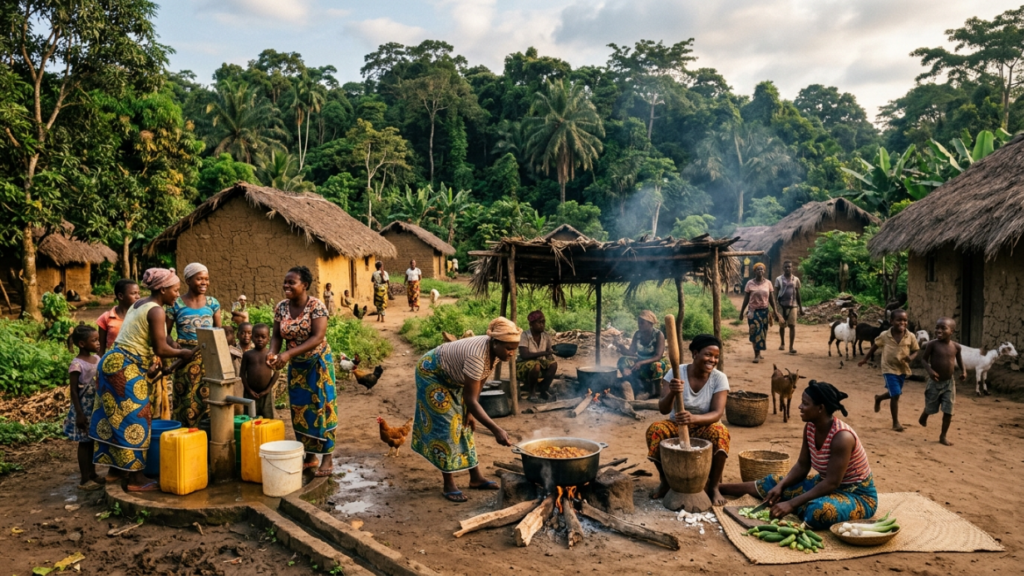
People living near these forests have depended on them for generations and alternatives are limited. Conservation approaches that ignore that economic reality tend not to last very long regardless of funding levels.
Some of It Leaves the Region
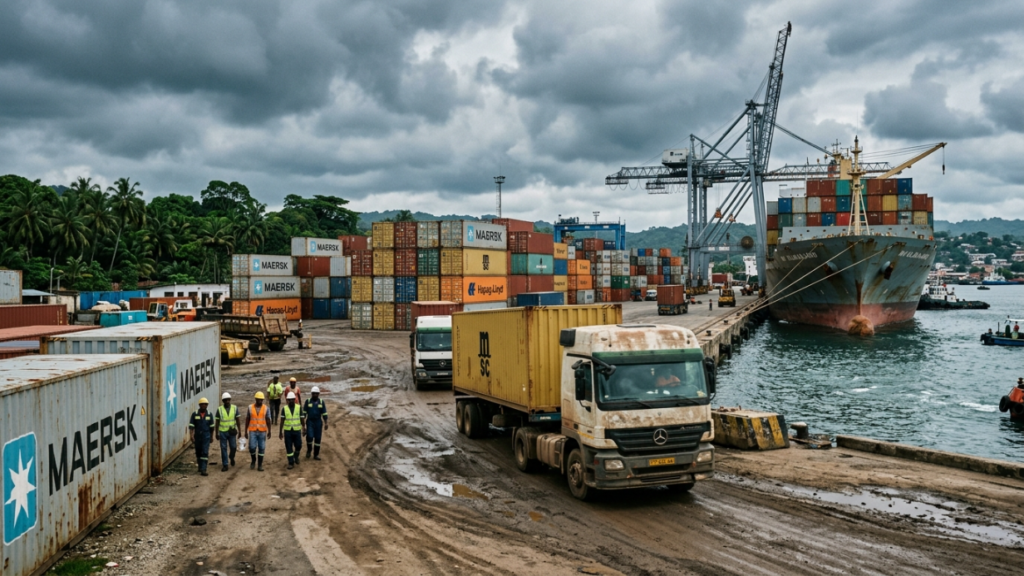
International demand for certain products creates financial incentives that go well beyond what local enforcement budgets can realistically match or compete with on any given day.
Weather Patterns Are Shifting Too
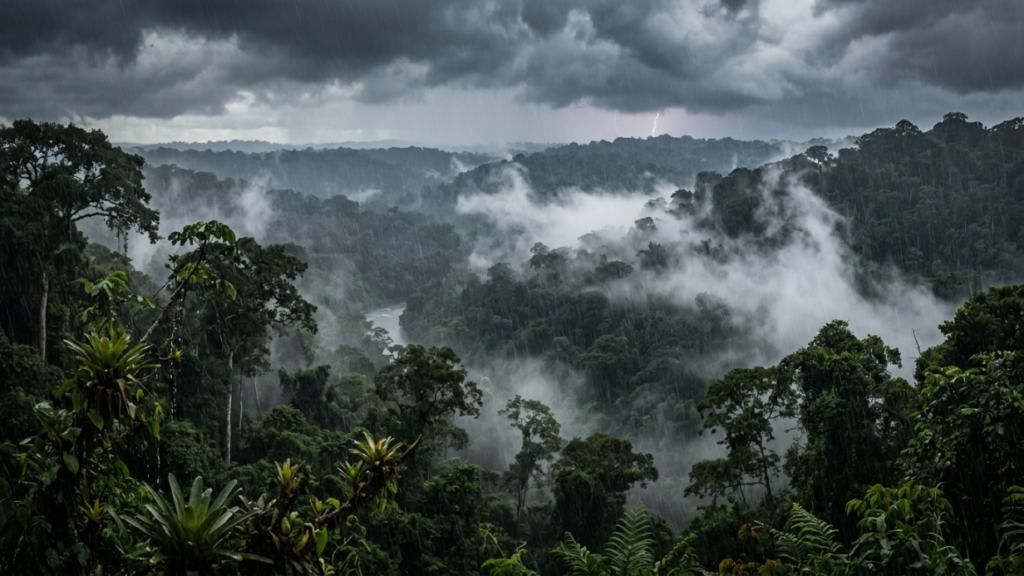
Changing precipitation and rising temperatures, along with other stresses, are increasing pressures on ecosystems already dealing with other stresses. Species adapted to very specific forest conditions are exposed to a new stage of the project, which links another whole lot together.
Some Approaches Are Actually Working
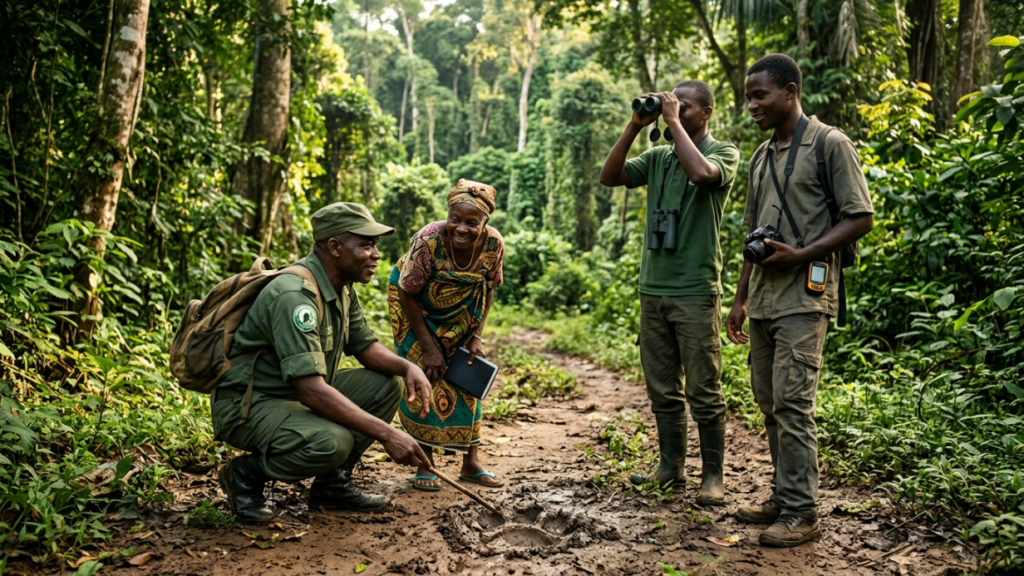
Programs that give local communities a direct stake in protecting wildlife have shown genuine results in specific areas. Involvement from the ground up tends to hold together better than protection imposed purely from outside.
The Window Has Not Closed Yet
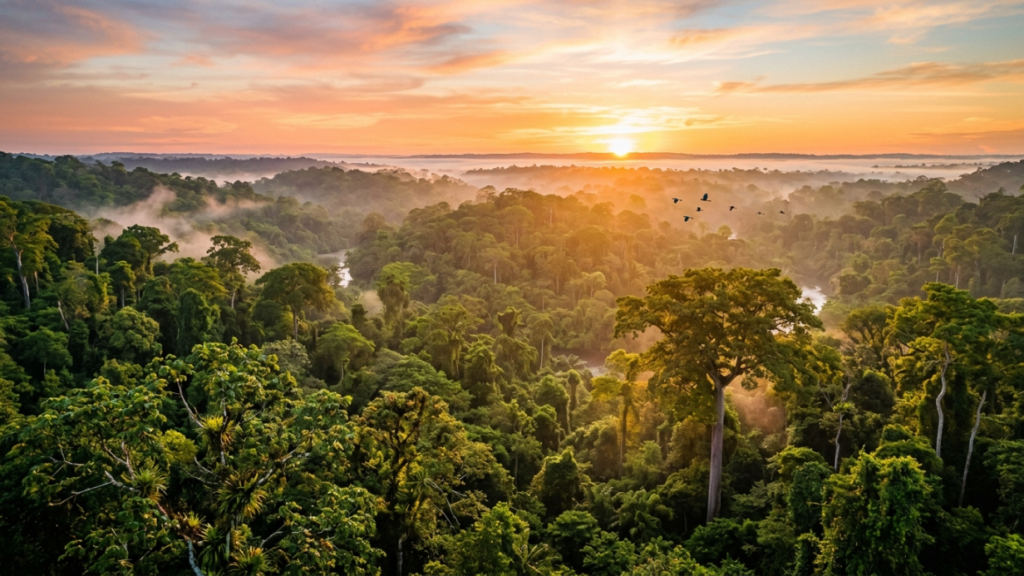
Some of the largest remaining intact tropical forest on earth is still standing in Central Africa. What took millions of years to develop is still there. What the next decade looks like will shape how much of it survives the one after.