 Isabella Miller
 You can taste your preferred pasta dish like cardboard at 35000 feet while your disliked tomato juice tastes like a five-star cocktail. The chef failed because an unusual biological malfunction activated inside the airplane cabin. Your taste buds stop working when the cabin door shuts because of scientific reasons which explain this phenomenon.
Your Nose is Functionally “Broken”

Taste requires 80% of its detection through smell yet airplane cabin air maintains a drier state than the Sahara Desert. The extreme dryness makes your nasal passages dry out which prevents your brain from detecting the subtle scents of herbs and spices. People who lack smell capability will find that all gourmet dishes taste like basic salt.
The “White Noise” Flavor Filter
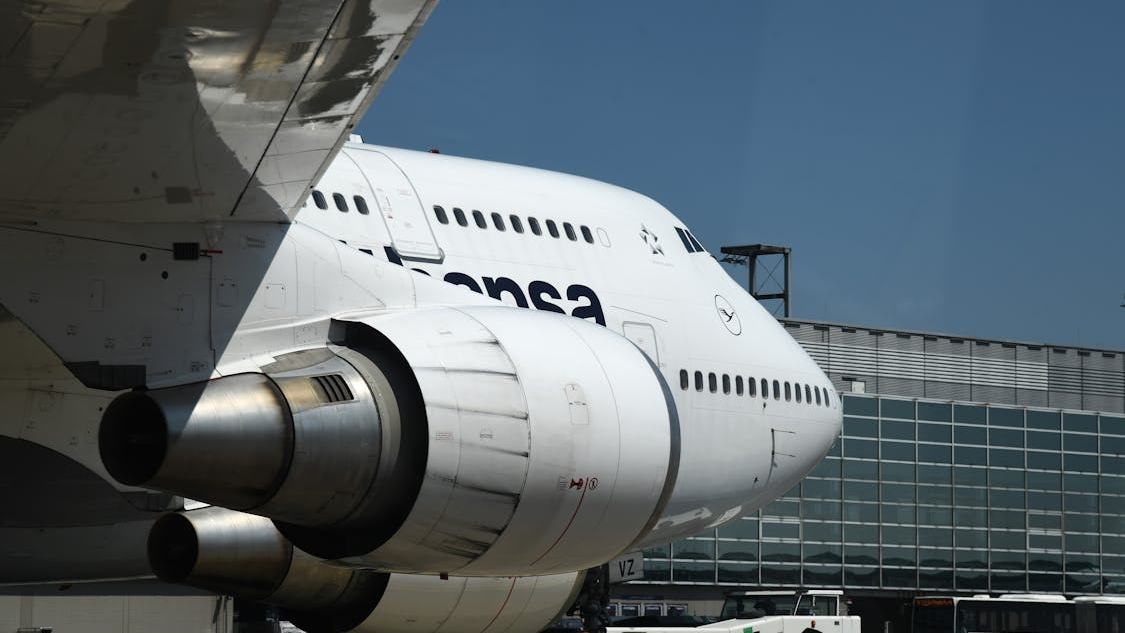
Research shows that the loud, constant hum of jet engines actually suppresses your ability to taste sweetness. The same background noise creates an effect which boosts the tasting power of umami, which describes the savory flavor found in tomatoes and soy sauce. The moment people reach cruising altitude, they all begin to desire a Bloody Mary.
Low Pressure Numbs Your Tongue
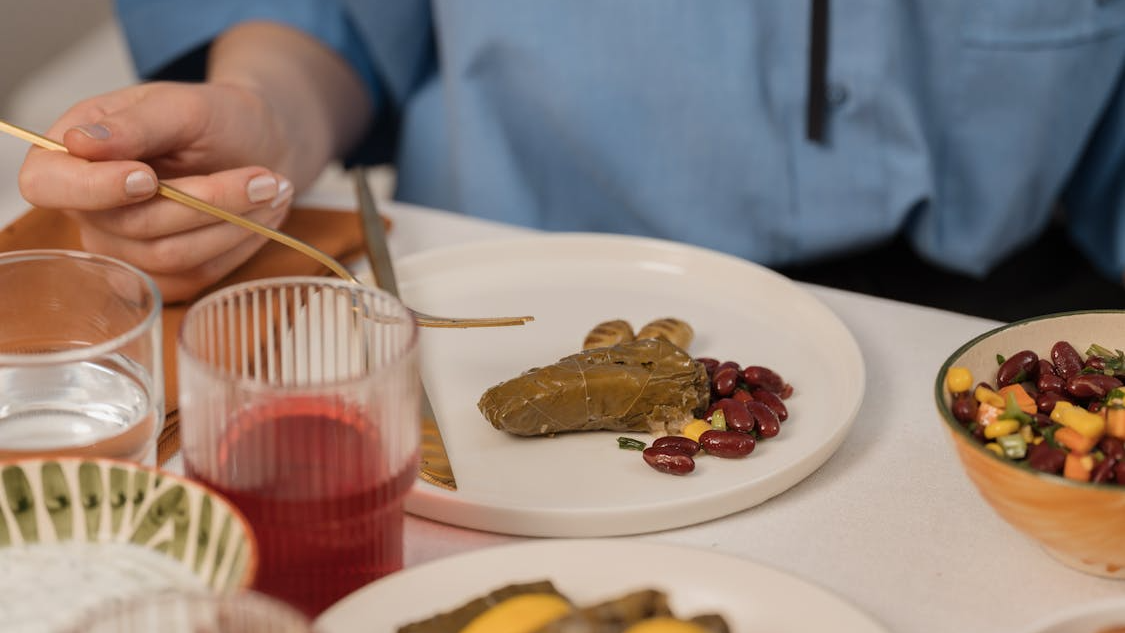
The cabin maintains artificial pressure to create an environment which resembles high mountain conditions. The drop in atmospheric pressure causes your taste buds to lose 30 percent of their ability to detect both salt and sugar. The airline catering companies need to use super salty food because they must make their meals taste normal to you.
The Reheating Science Problem
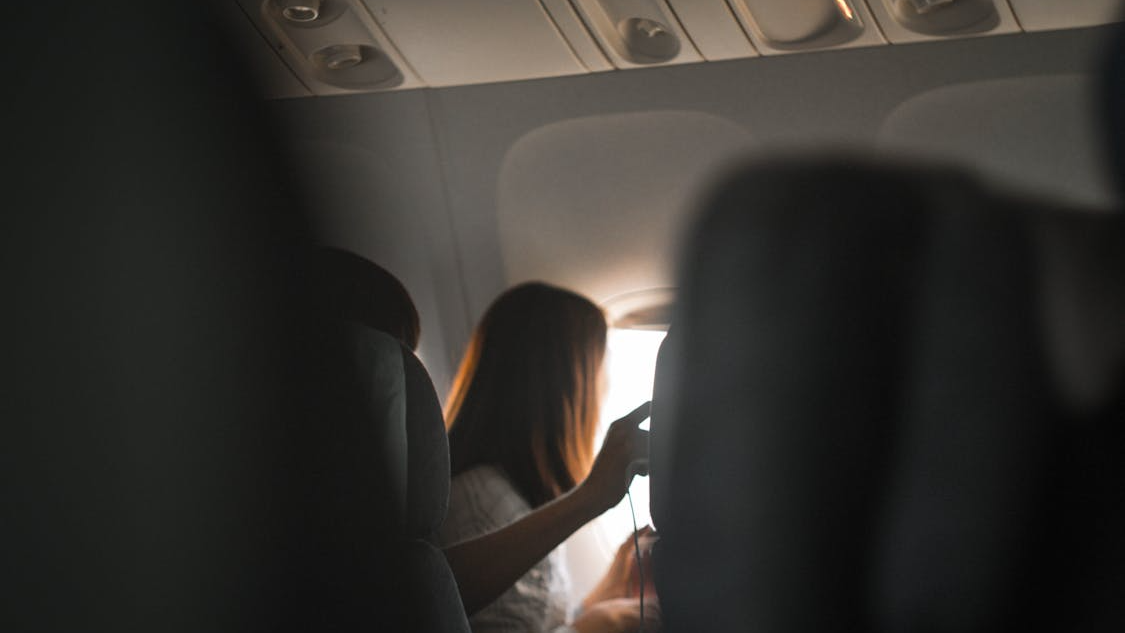
For safety reasons, planes don’t have open flames. The ground cooks all meals before they complete their chilling process to undergo convection oven treatment which uses dry hot air. The procedure damages delicate fish and chicken proteins because it makes them rubbery while losing their original texture.
Cold Food Stays Quiet
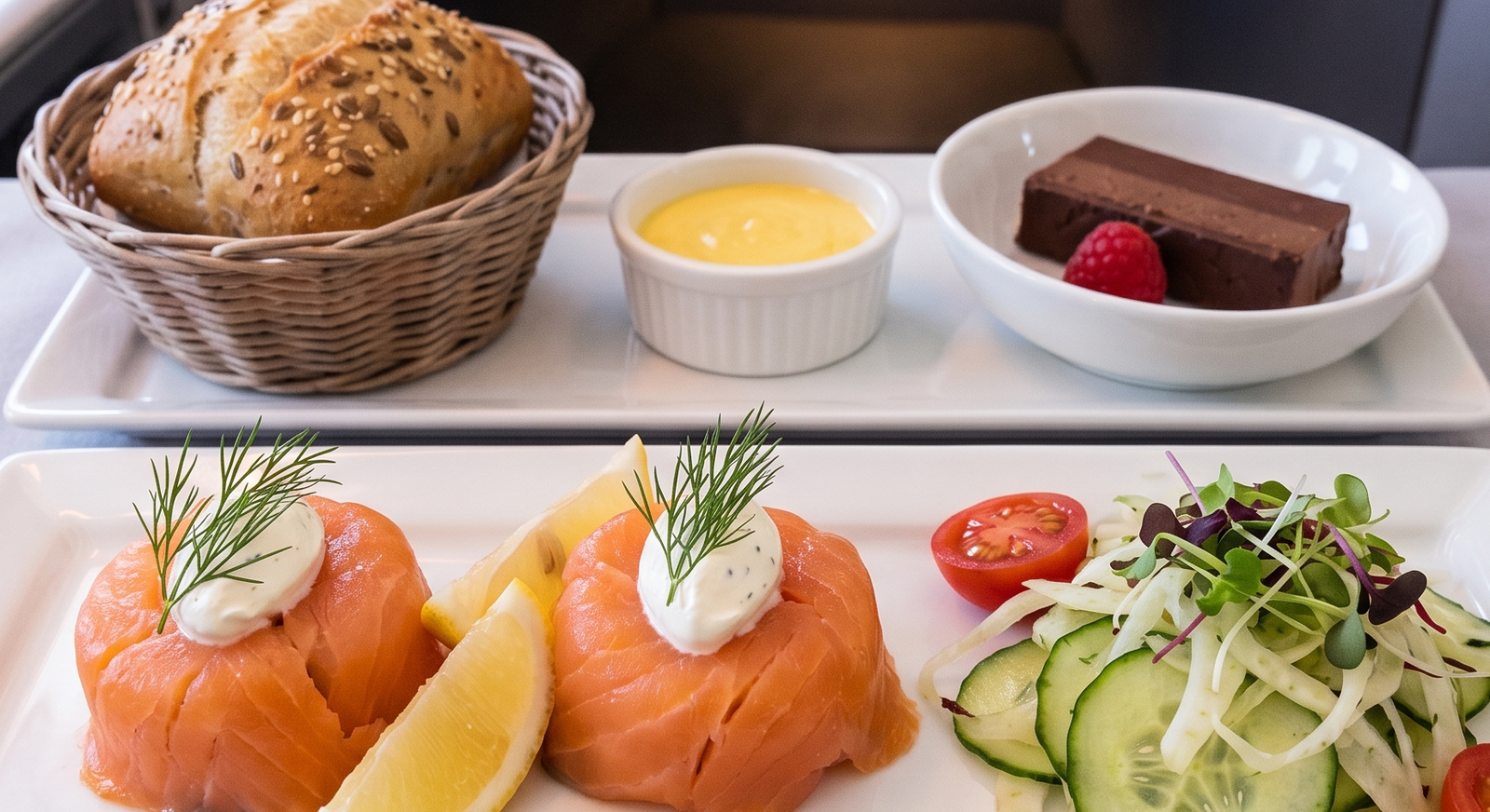
Our taste buds work best with warm food. The cold cabin air of airplanes makes their meals cool down too fast which prevents flavor molecules from vibrating at their normal intensity.
The Cutlery Factor
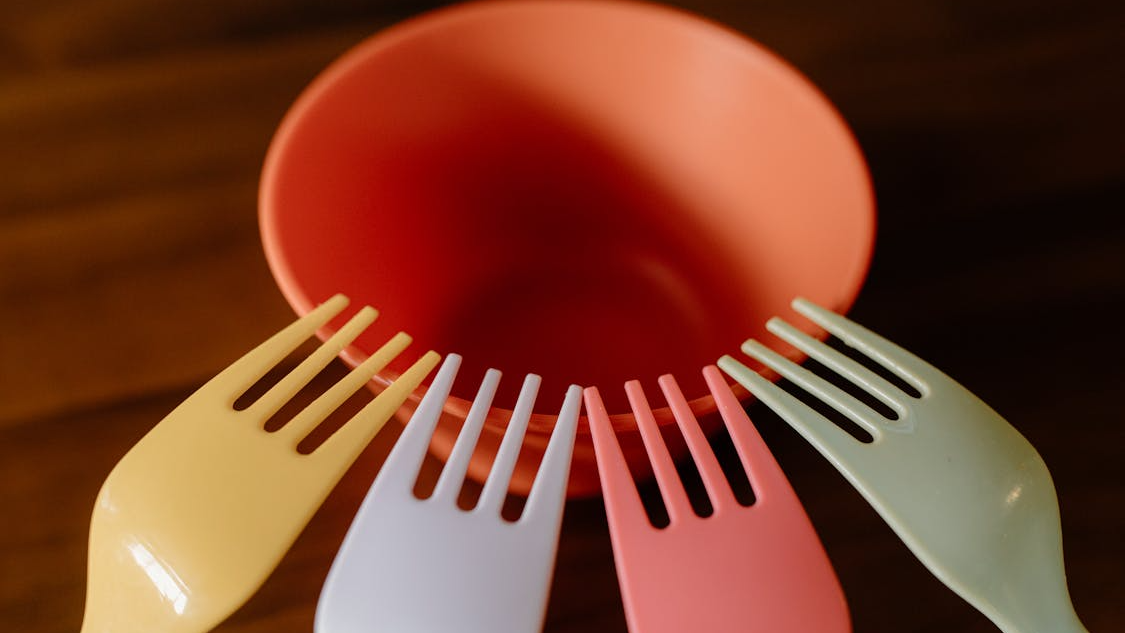
The weight of your fork matters because it affects how you should eat food and studies show that using plastic utensils causes people to perceive food as less valuable while metal cutlery makes food taste better. The brain interprets plastic materials with a cheap sensation which means lower meal quality will follow.
The “Cloud” of Dehydration

Flying causes your body to lose moisture, which makes your saliva become thicker and saliva carries flavor to taste buds, but its thick dry form makes chemical signals for delicious food take longer time to reach our taste receptors.
The “Umami” Exception
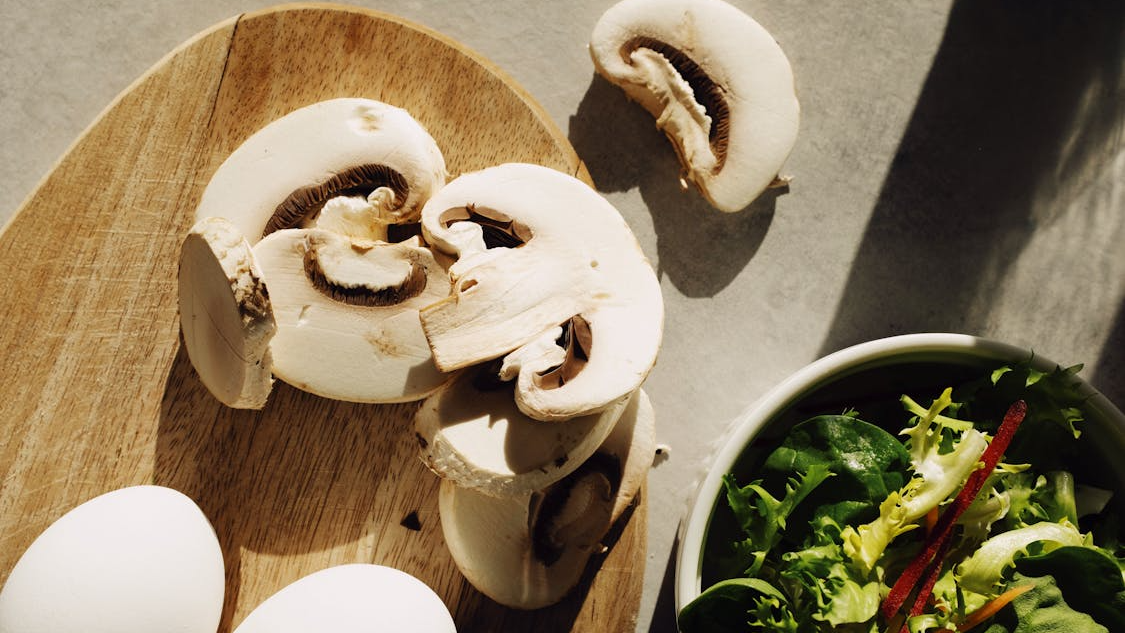
The savory flavor of umami remains intact when salt and sugar disappear from food. Airline chefs use mushrooms, spinach and tomatoes as their secret weapons because these ingredients can withstand the cabin’s biological “mute” button.