 Sophia Davis
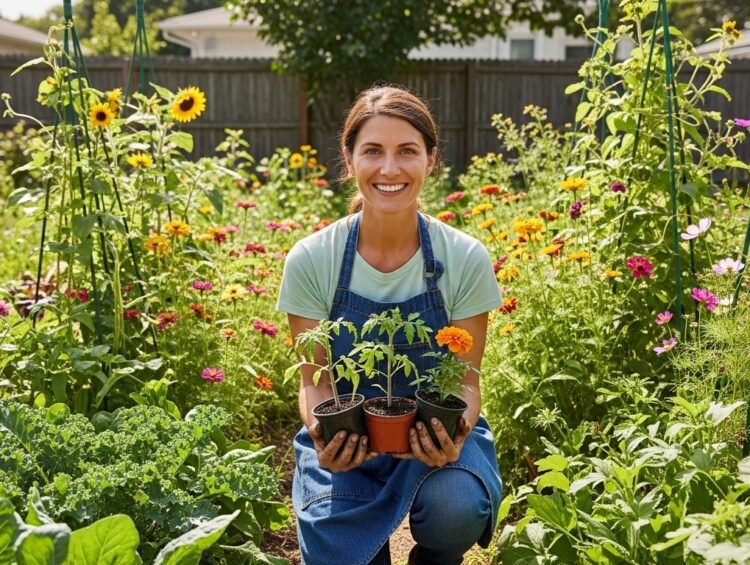
 The process of creating an attractive garden can be executed without spending a lot of money. Experienced gardeners practice their craft without purchasing new plants because they can access the plant life which grows naturally in their backyards and through the plant sharing system of their nearby neighbors. You can create your entire flower beds and vegetable patches without spending money by combining your basic learning of techniques with your creative abilities.
Divide Your Perennials
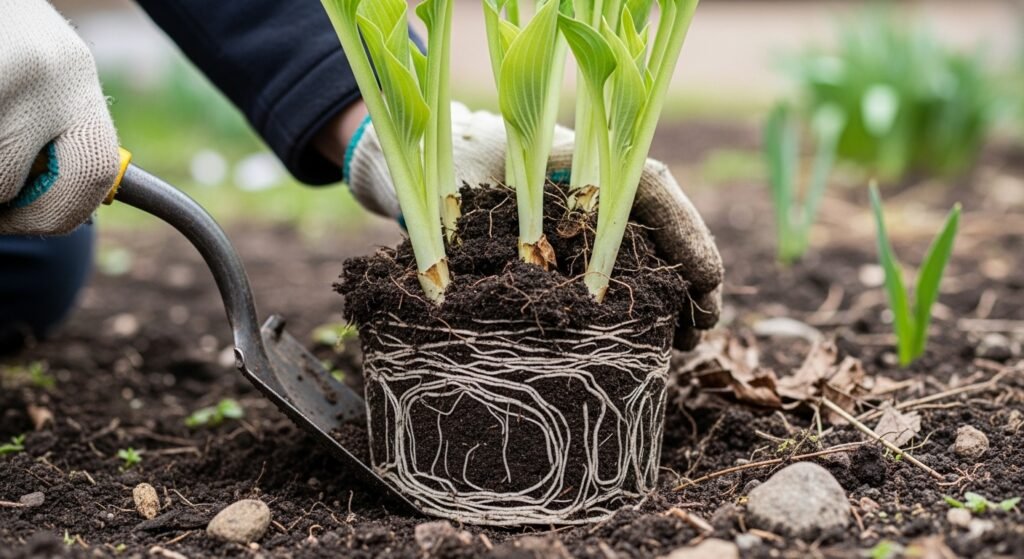
Numerous plants grow in large clumps which include hostas and daylilies and irises. The mother plants can be dug up from the ground during spring or fall. You need to pull the roots apart into two or three separate sections. The pieces you plant will develop into full-sized plants which effectively double your garden space without any expense.
Save Seeds from Your Harvest
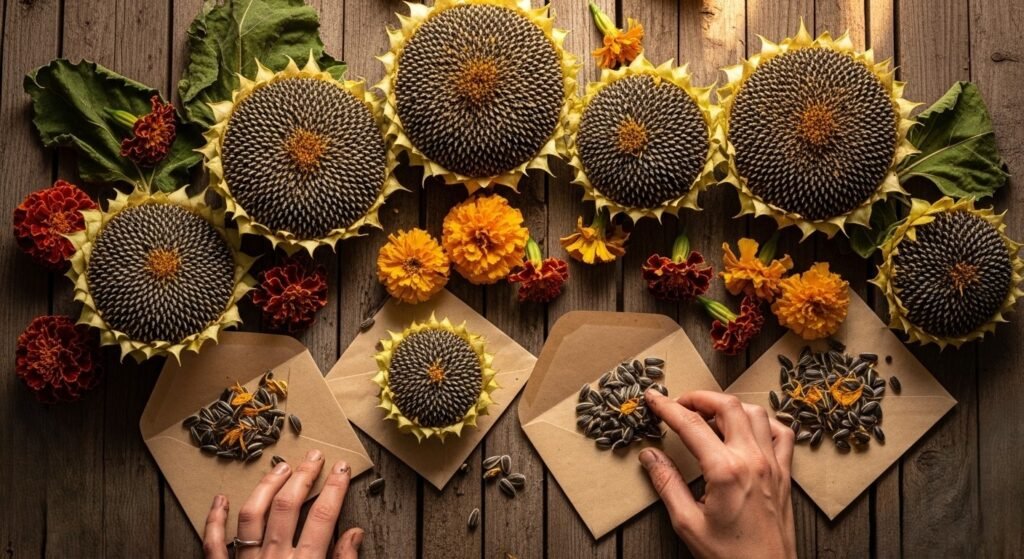
You must let some of your top vegetables or flowers develop seeds at the end of the growing season. You can gather dried seeds from a selection of plants which include marigolds and sunflowers and beans and peppers. The seeds will remain usable until springtime when you can plant them after storing them throughout winter in an envelope.
Visit a Seed Library
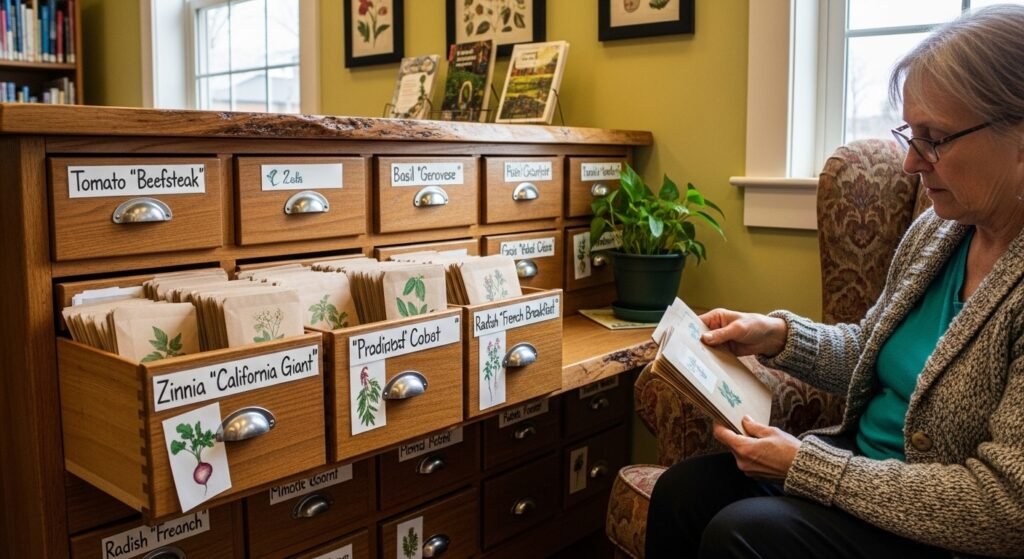
The concept of seed libraries enables you to obtain free seeds because many public libraries provide this service. The objective requires you to cultivate the plants while you return some of your harvested seeds to restock the library shelves.
Join Online Neighborhood Groups
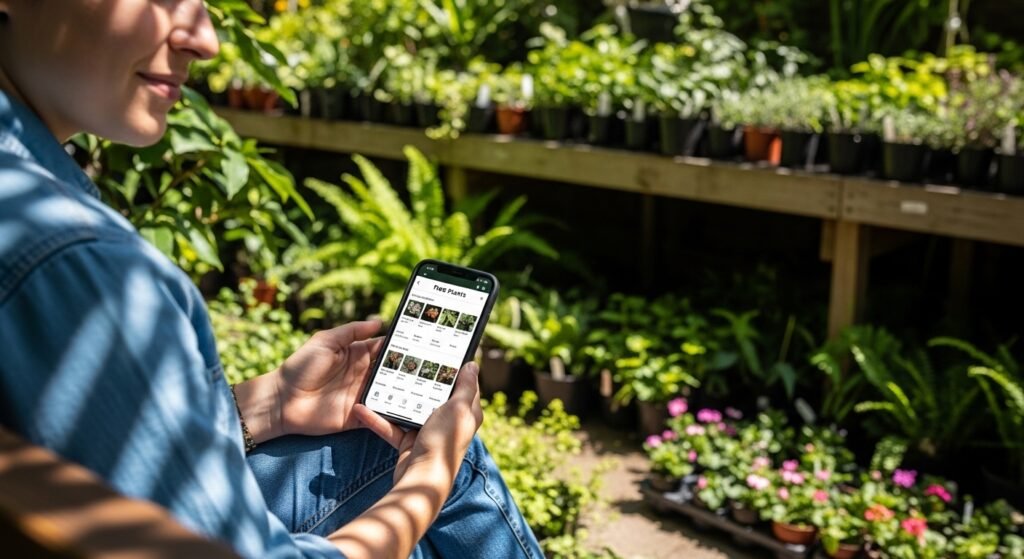
Websites like Freecycle, Nextdoor, or Facebook Marketplace often have listings for “free plants.” The people who live nearby will typically provide shrubs and bulbs and small trees which they no longer need to anyone who wants to take them from their yard.
Host a Plant Swap
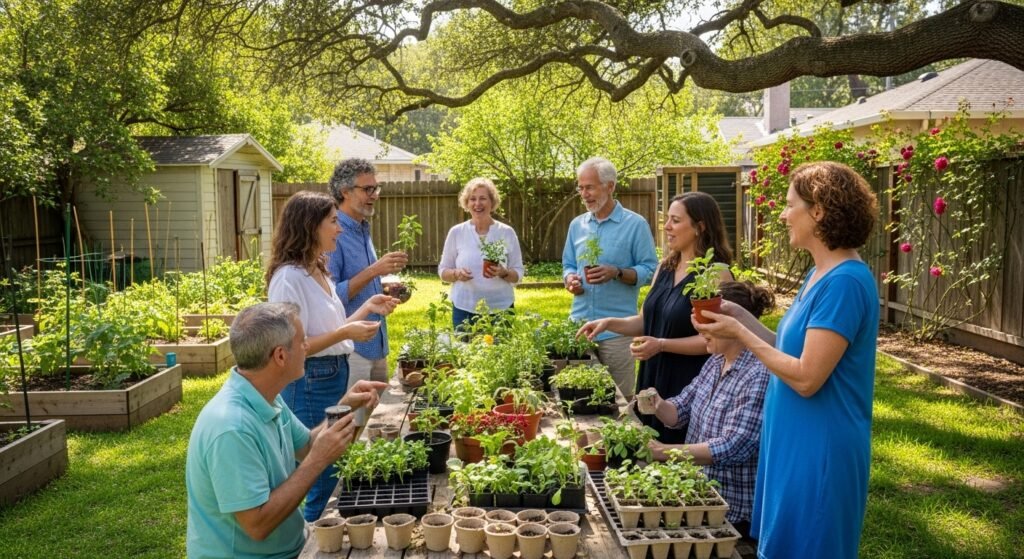
You can invite people over to your home for a plant exchange program. Everyone brings their extra seedlings, divided perennials, or spare seeds to trade. The system provides you with an excellent method to discard your extra items while you obtain different plant types that you have not cultivated before.
Regrow Kitchen Scraps
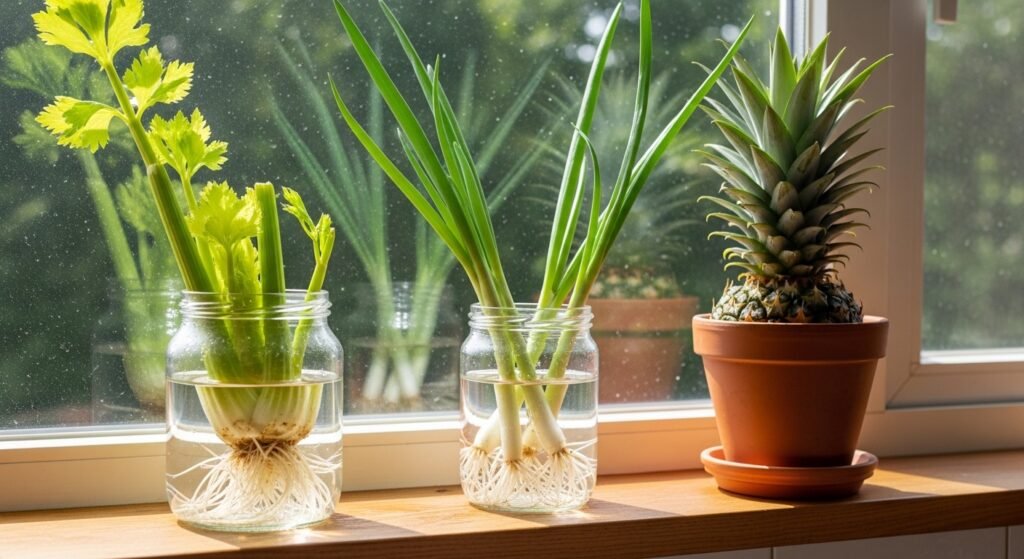
You can grow a surprising amount of food from things you usually throw away. You can produce new vegetables by planting the base of celery and the “eyes” of potatoes and the roots of green onions in soil. Even a pineapple top can be turned into a striking tropical houseplant.
Check Construction Sites
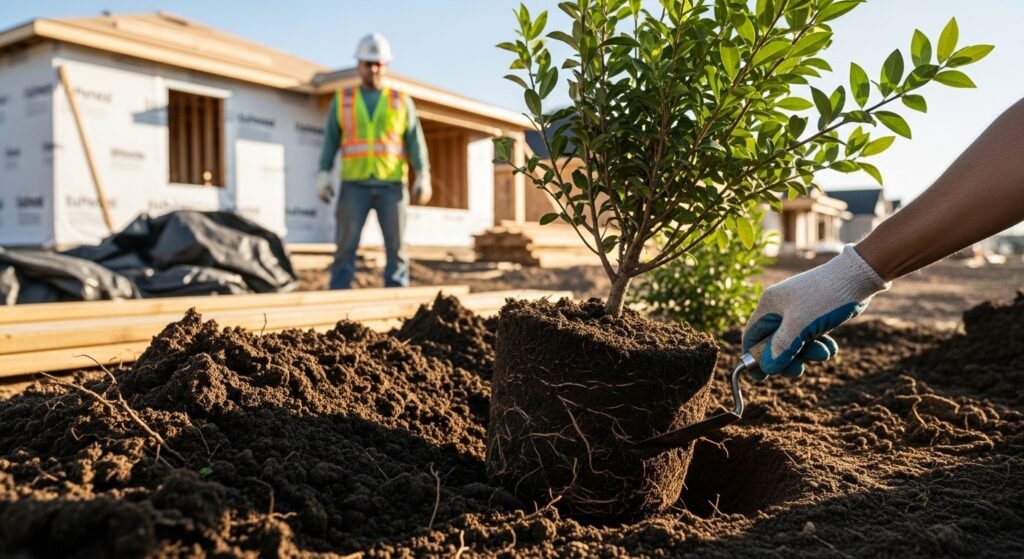
The process of widening roads or building new houses leads to the disposal of existing plants. You should approach the crew who is clearing the land to ask the foreman about your opportunity to rescue plants which include shrubs and perennials. The majority of them will allow you to take the plants because it helps them avoid the need to transport the items.
Ask for Cuttings from Friends
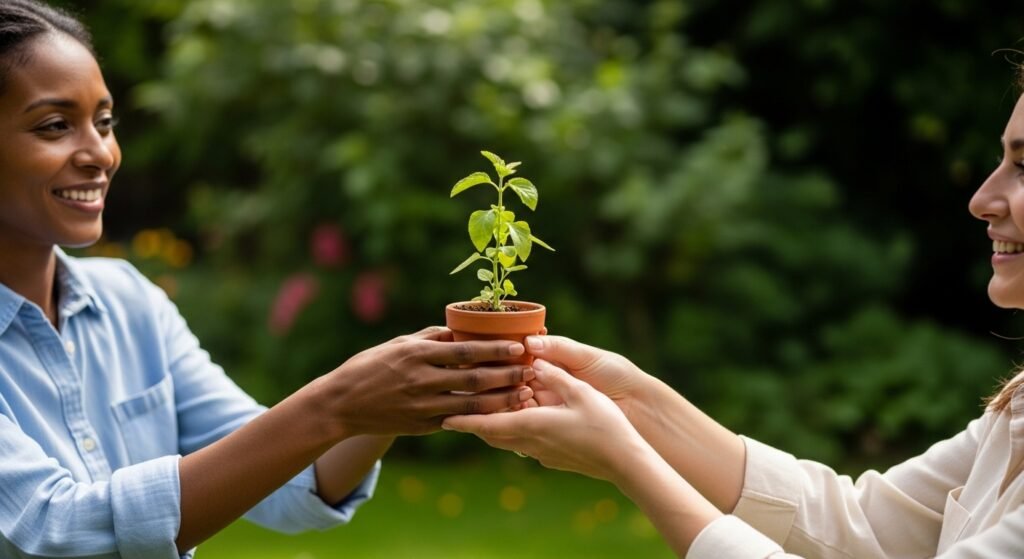
Gardeners possess the quality of being highly generous. You can ask your friend to give you a small cutting from their yard or to tell you about their extra seedlings. People will happily give you a piece of their garden space.
Volunteer at Community Gardens
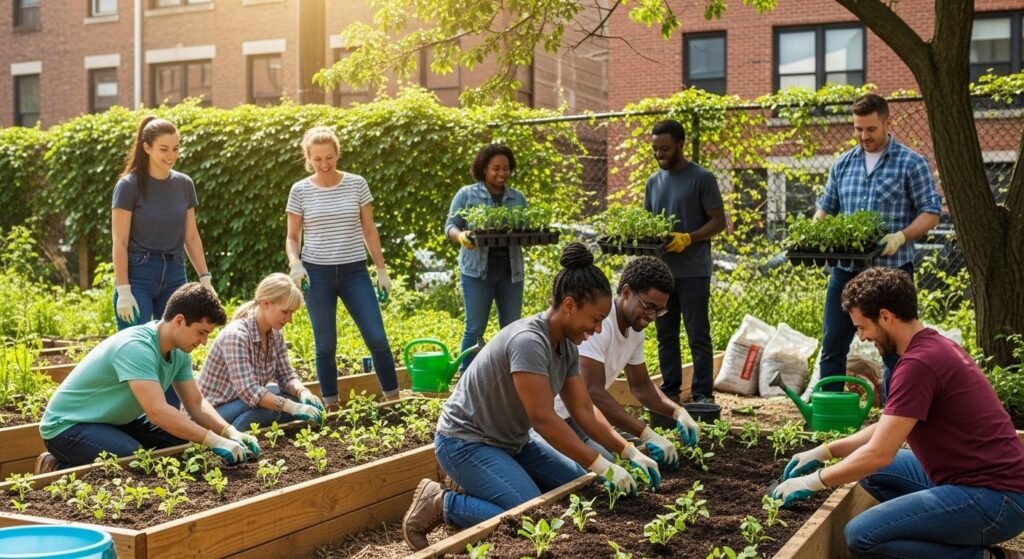
Community gardens produce extra plants in spring because their staff members remove plants from their garden beds. Your time spent pulling weeds or mulching will provide you with the option to take home extra herbs and vegetable seedlings.
Shop the “Death Rack” for Freebies
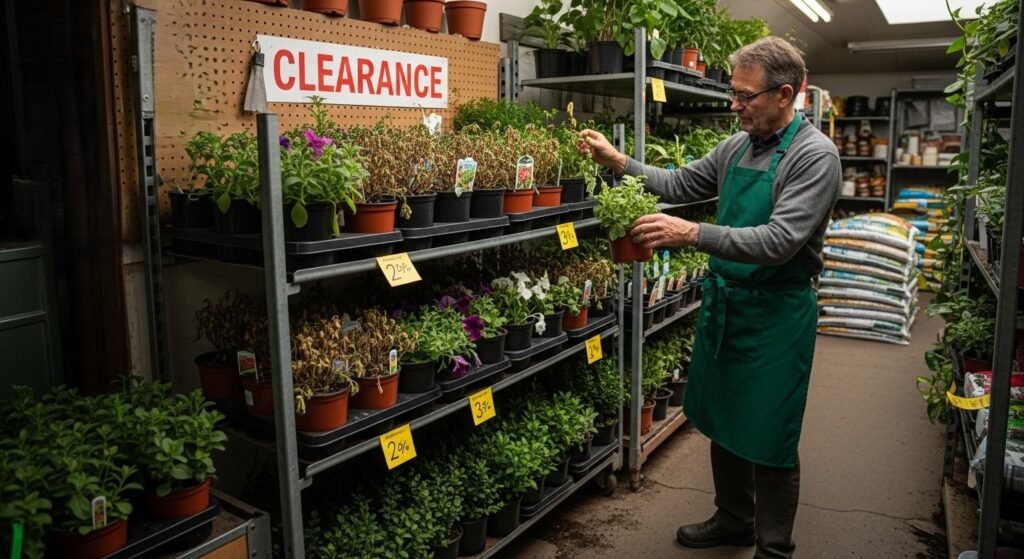
Many local nurseries have a clearance section which shows plants that have reached their overgrown state and wilted appearance. The manager might give you the plant for free when it requires disposal. The plants which operate as “rescues” need water and a bigger pot plus shadow to achieve full recovery.