 Isabella Miller
 Environmental changes that occur worldwide create evident signs which demonstrate that our natural systems experience transformation. The observation of these patterns enables us to develop better methods for safeguarding our communities and resources which we will need in upcoming times. The present day provides us with the means to build resilience against all future transformations which will arise in our surroundings.
Rising Sea Levels in Coastal Cities
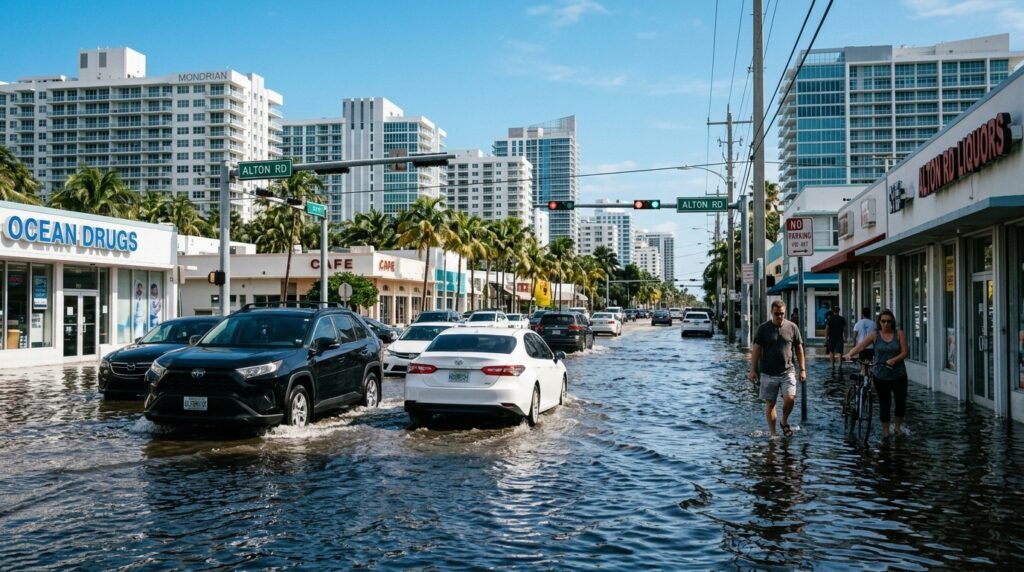
High tides now cause flooding on Miami and Venice city streets during clear weather which occurs on a regular basis. Urban planners receive this information as a request to construct advanced drainage systems along with elevated infrastructure which will safeguard homes from water damage.
Earlier Spring Blooms
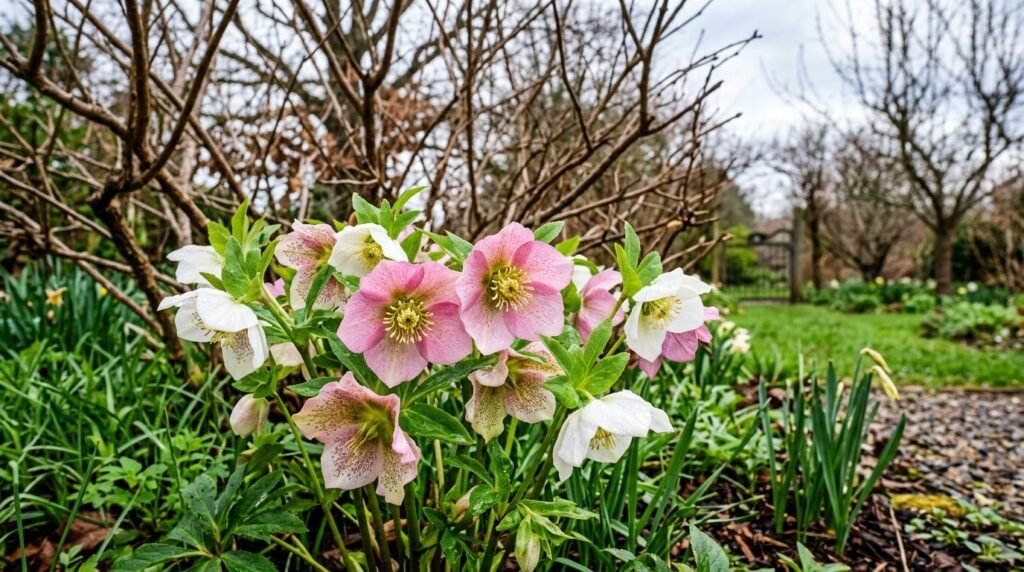
Common garden flowers bloom today three weeks before their traditional blooming time fifty years ago and the world has changed and now we must adjust our crop planting schedule to protect food supplies and maintain local ecosystem health.
Melting Glaciers and Water Scarcity
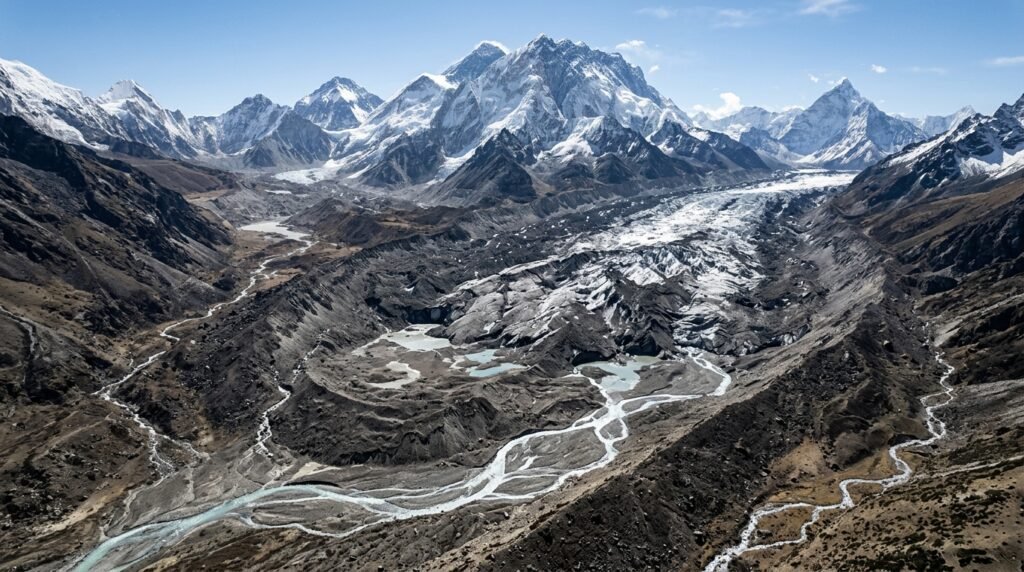
The shrinking glaciers of the Andes and Himalayas result in fewer fresh water streams which serve to supply millions of people. The situation presents a need to develop advanced water conservation and storage methods for those regions.
Increased Frequency of Dry Spells
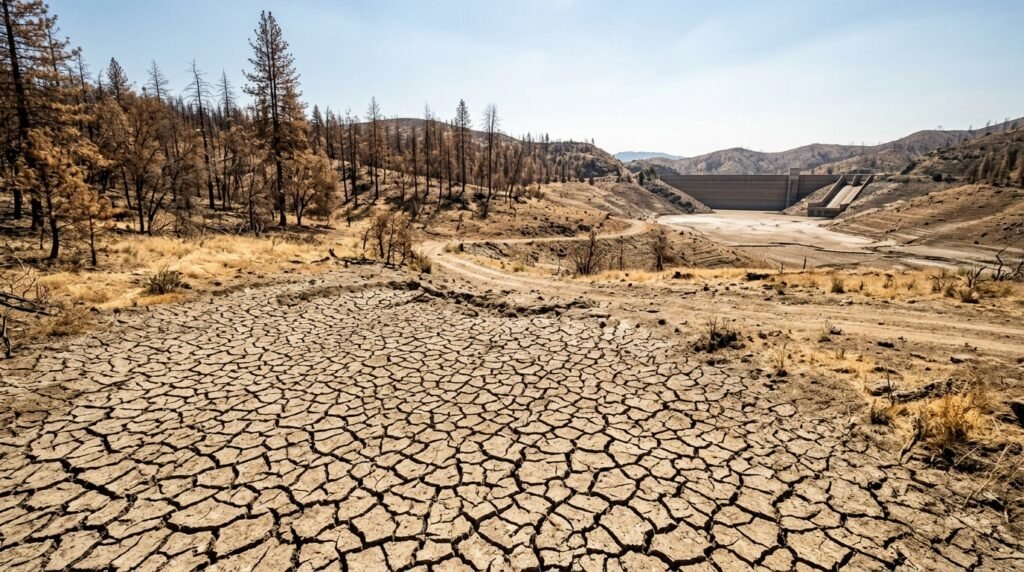
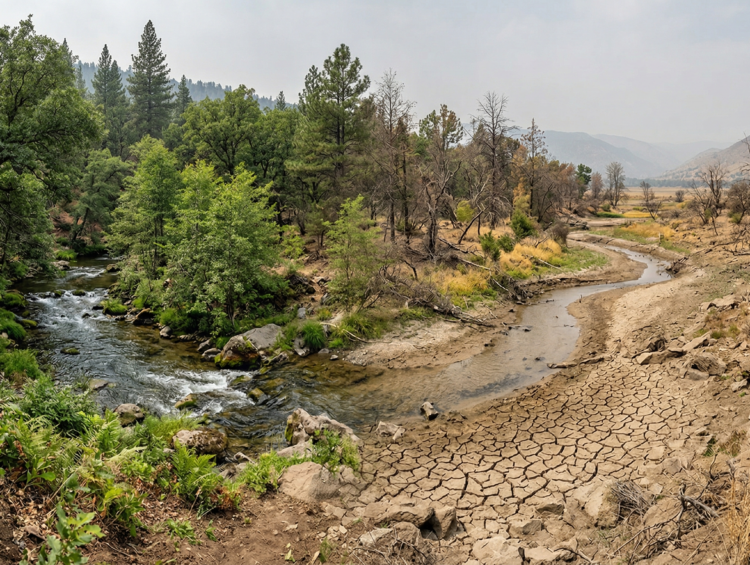
The American West experiences extended dry periods which lead to more severe forest dryness and diminished water reservoir capacities. The current situation needs us to implement intelligent irrigation methods for agriculture while establishing protective zones for homes situated near mountain areas.
Changes in Animal Migration
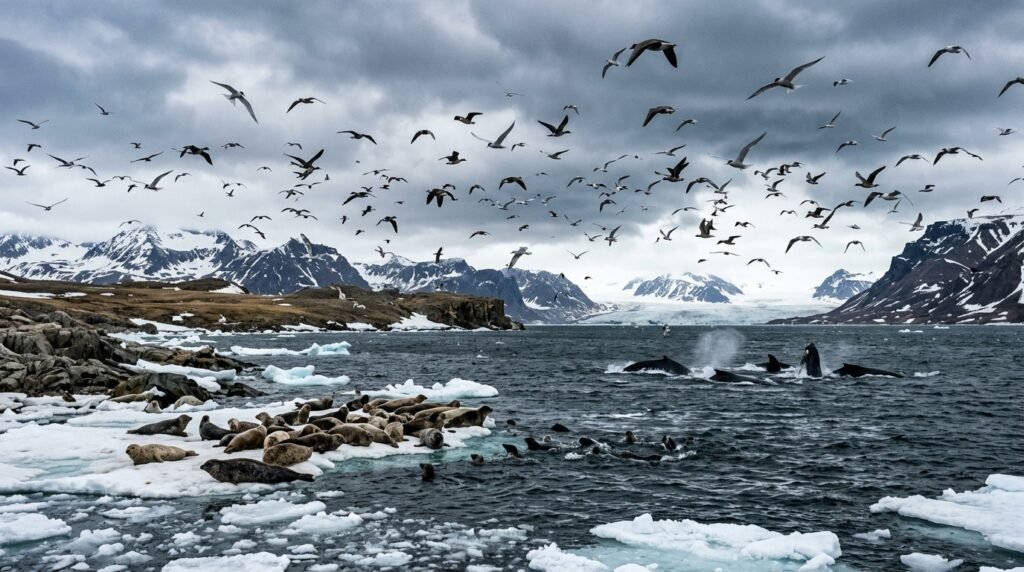
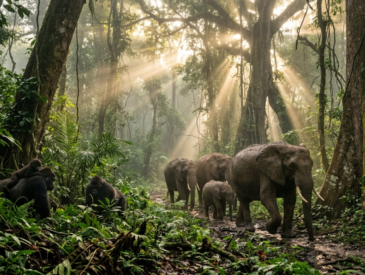
Birds and marine animals are shifting their habitats to northern regions which offer cooler environments than their previous locations and the movements of animals indicate that their traditional fishing and hunting grounds have changed, which necessitates the establishment of new conservation laws to safeguard these species.
Warming Ocean Temperatures
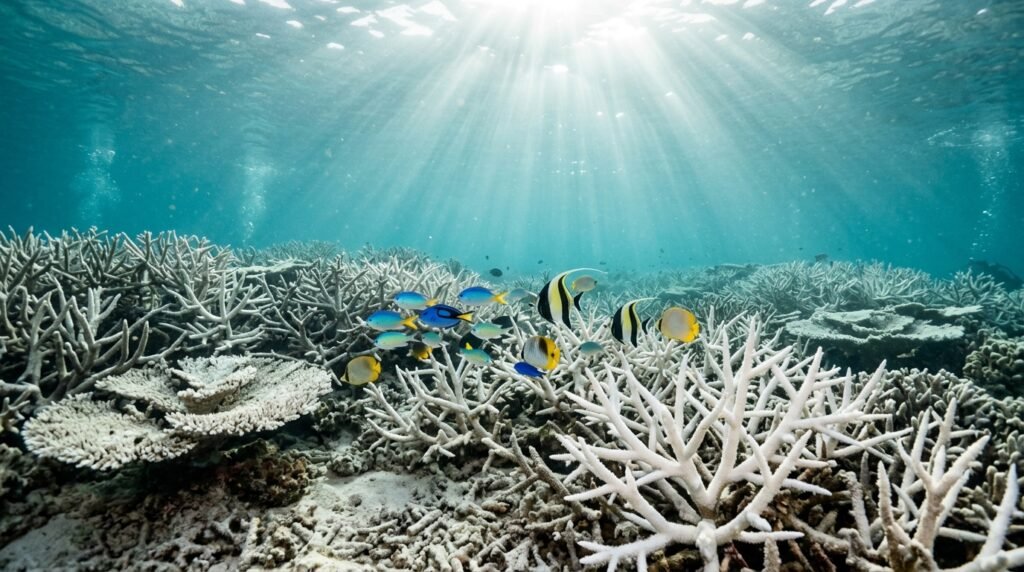
Coral reefs in Australia are currently undergoing “bleaching” because the ocean water temperature exceeds their tolerance range and the marine food chain faces its most critical stretch which demands pollution reduction to provide reefs with recovery conditions.
Thawing Permafrost in the North
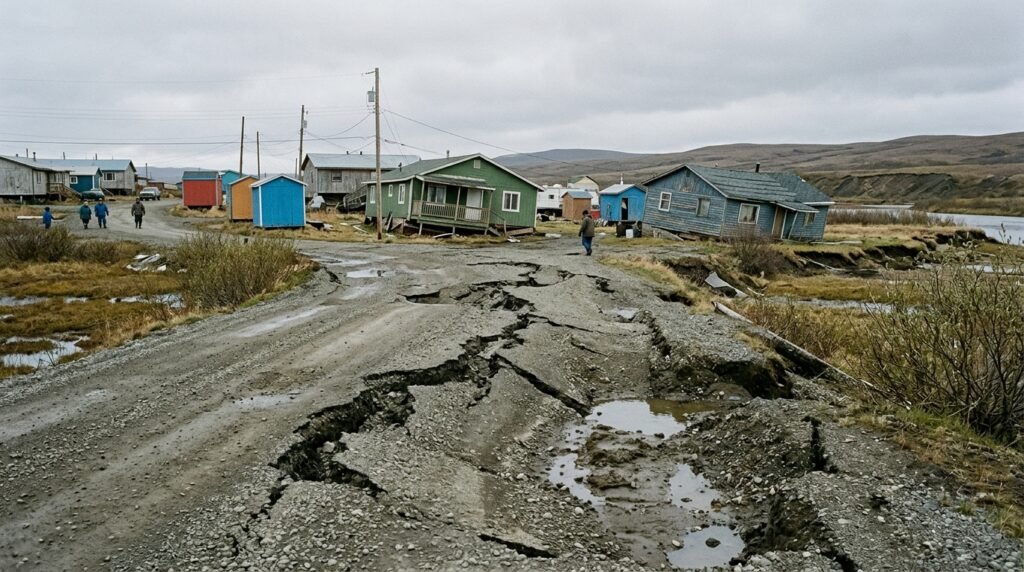
Alaska residents experience shifting as frozen ground starts to melt, which causes their streets to become damaged and their buildings to lose vertical alignment. The current situation needs us to change our approach for constructing infrastructure in cold climate regions.
Erratic Weather Patterns
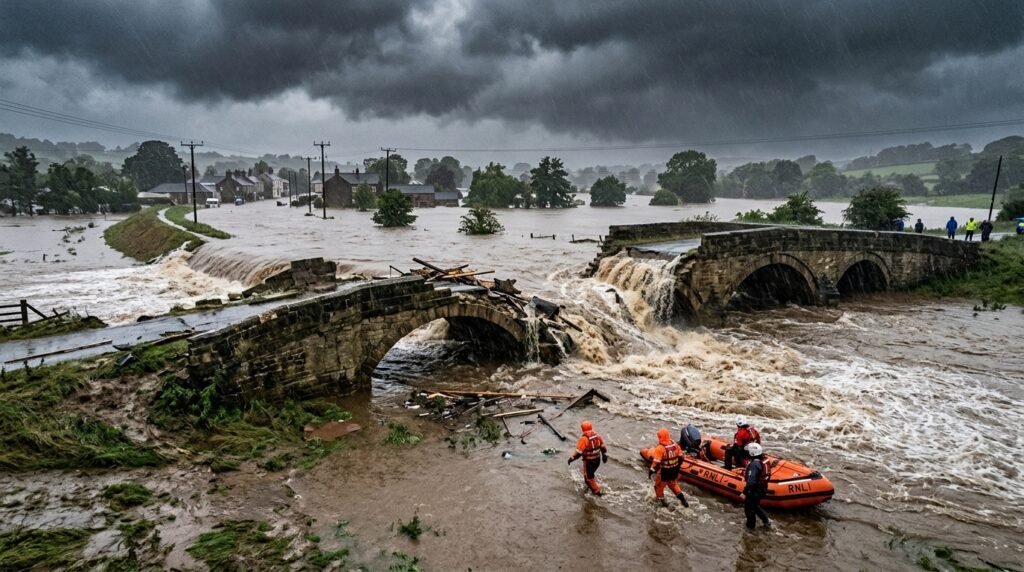
There has been an increase in heavy rainfall events which used to happen once every hundred years. The need to modernize existing bridges together with enhancing river levee systems becomes vital to manage unexpected, severe water flow situations.
Disappearing Coastal Buffer Zones
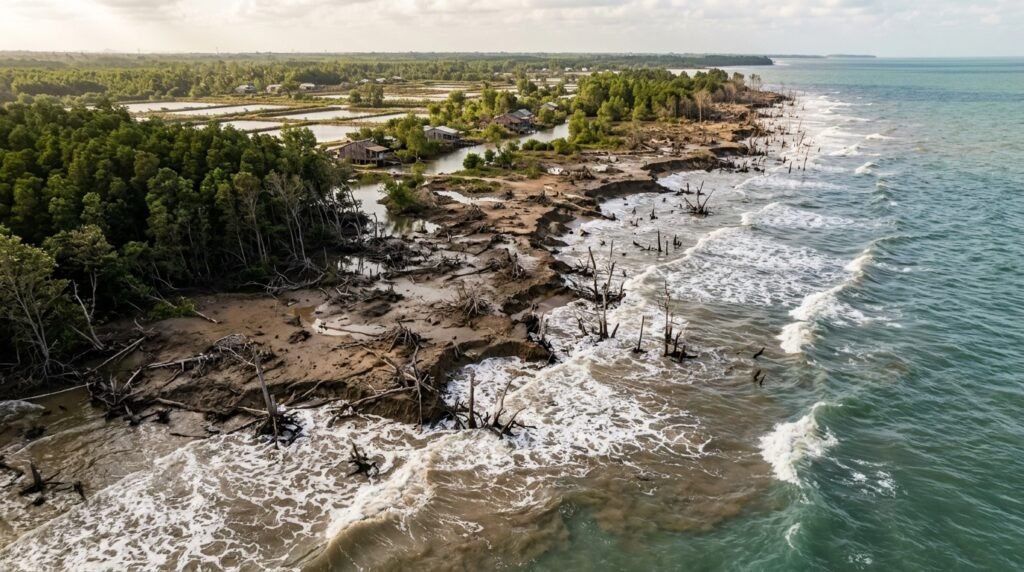
Southeast Asia lost its mangrove and salt marsh ecosystems, which functioned as natural storm surge barriers that absorbed excess water and the replanting of these forests serves as a natural defense mechanism against upcoming high-water situations.
Soil Nutrient Depletion
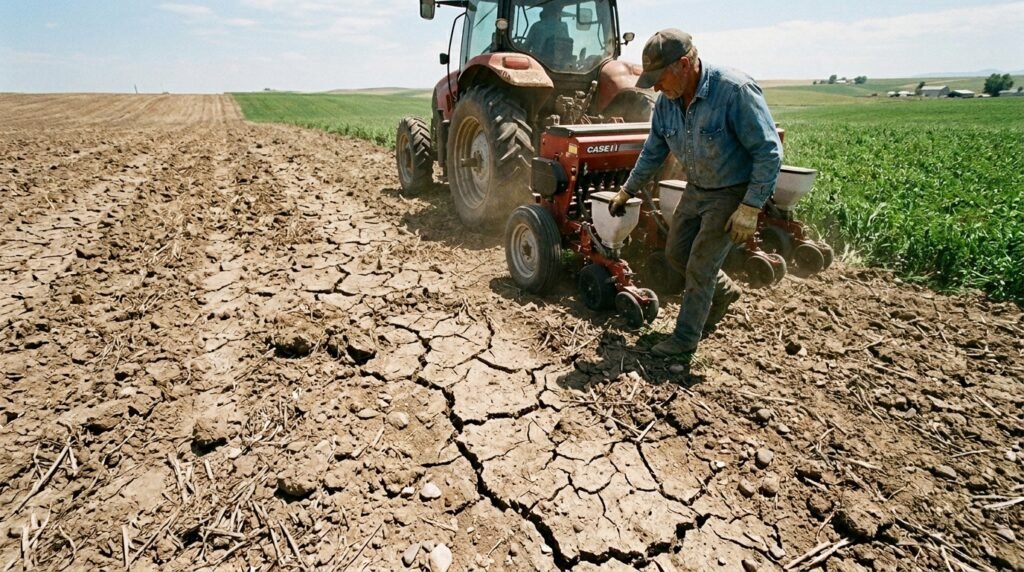
Main agricultural areas experience topsoil loss because of strong winds and extreme heat and farmers now implement “no-till” techniques together with cover crops to maintain soil integrity while protecting it from climatic conditions.
Insect Population Shifts
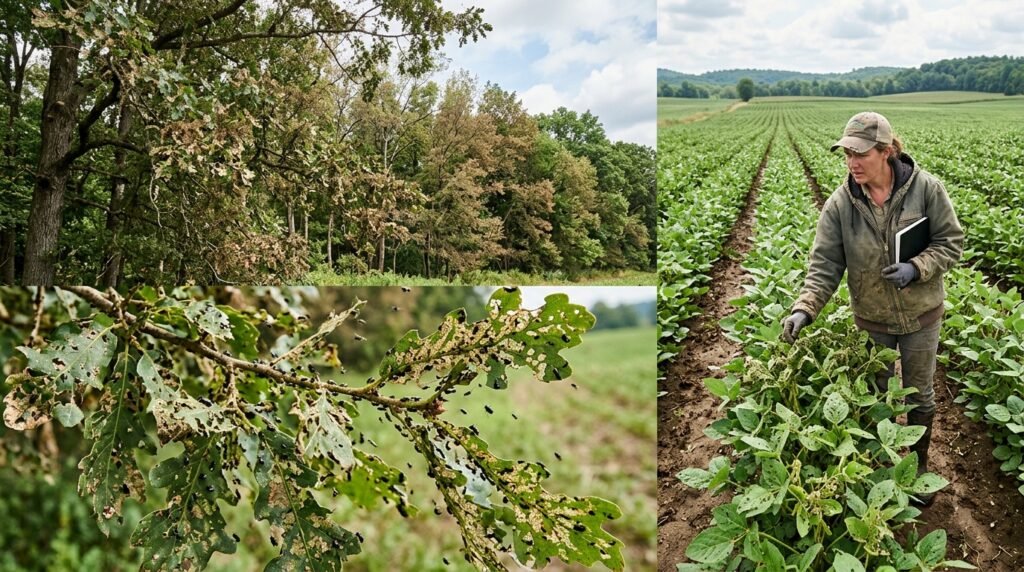
Milder winter conditions now allow some pests to thrive in regions which they previously could not survive. The situation requires foresters and farmers to get ready for upcoming biological threats which will affect their trees and crops.
Expanding Arid Zones
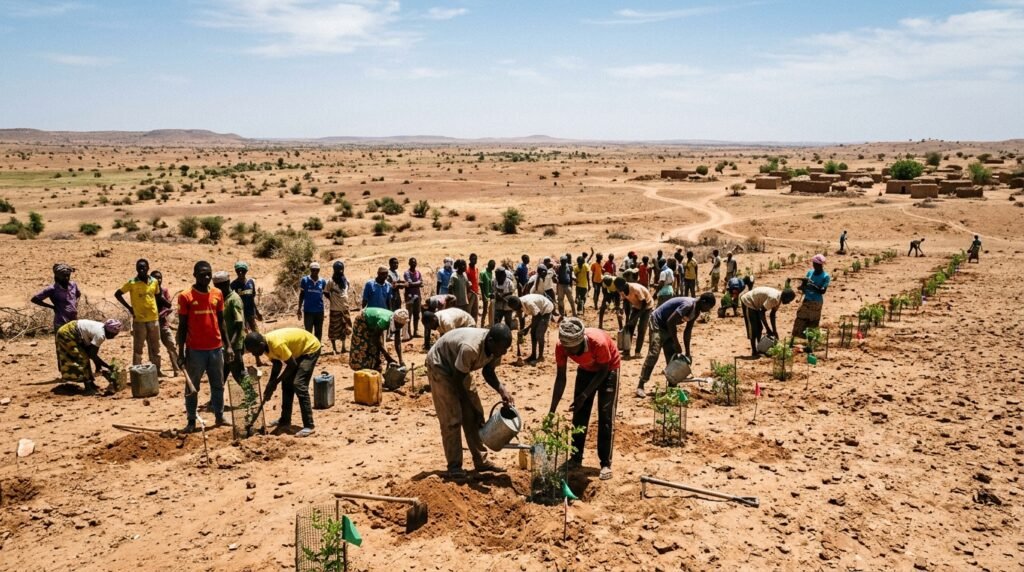
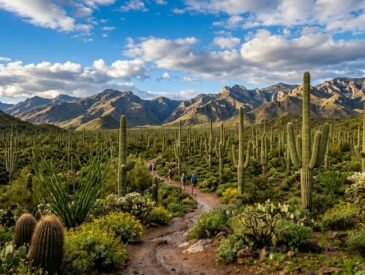
African regions experience a gradual transition from green grasslands to increasingly dusty land. Communities are establishing “Great Green Walls” which involve tree planting activities to create barriers against dust spread while restoring their agricultural areas.