 Sophia Davis
 The method of maintaining pepper plants enables people to grow fresh peppers throughout the summer and autumn months. The plants display resilience to harsh conditions yet require specific conditions which include temperature control and water supply and pruning techniques. The path towards plant improvement starts with a regular schedule which helps plants to develop into productive plants that will sustain their health throughout each active production day.
Start with Full Sunlight
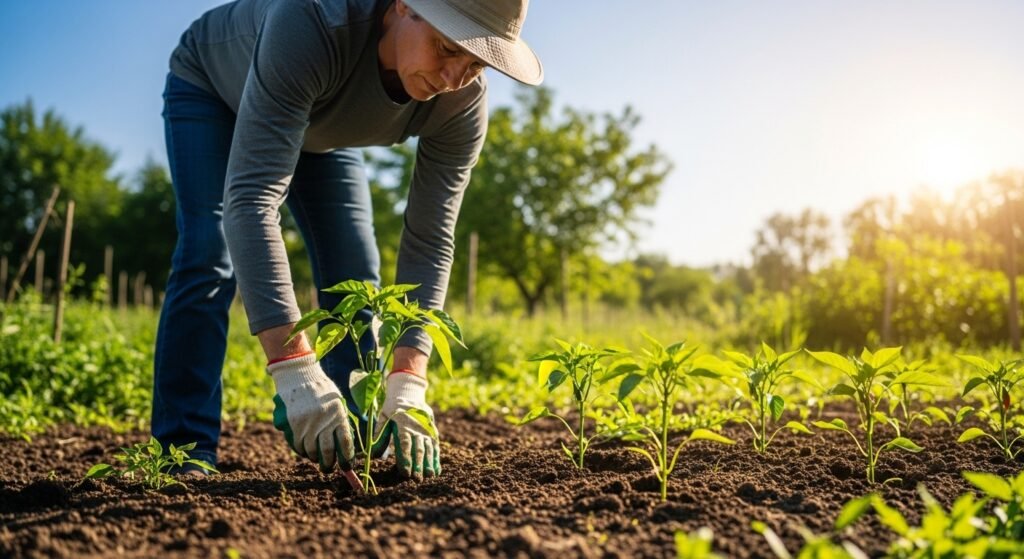
Pepper plants are sun-worshipers. They need direct sunlight for at least six to eight hours every day in order to produce their maximum crop yield. The plants will develop “leggy” growth patterns which result in higher leaf production while creating lower fruit production when they receive shade from adjacent plants or nearby buildings. You should position them at the location which receives the most sunlight in your garden.
Consistent, Deep Watering
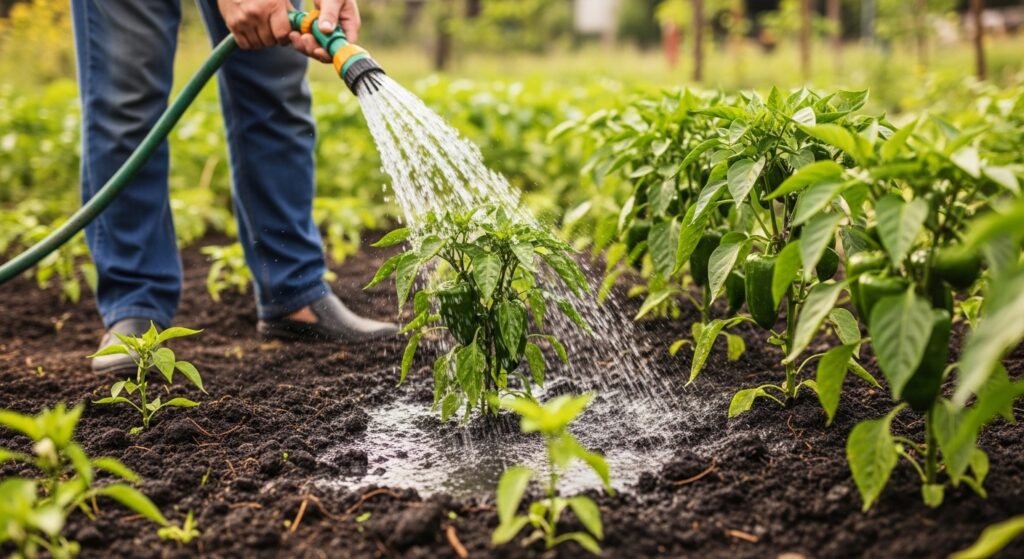
Peppers need their soil to remain wet at all times except during periods of excessive dampness. The best method involves watering deeply at intervals of one or two times per week instead of using daily light watering. The plant experiences better growth when its roots develop deep into the soil because this makes it easier to survive during extreme heat conditions.
Pinch Off the First Flowers
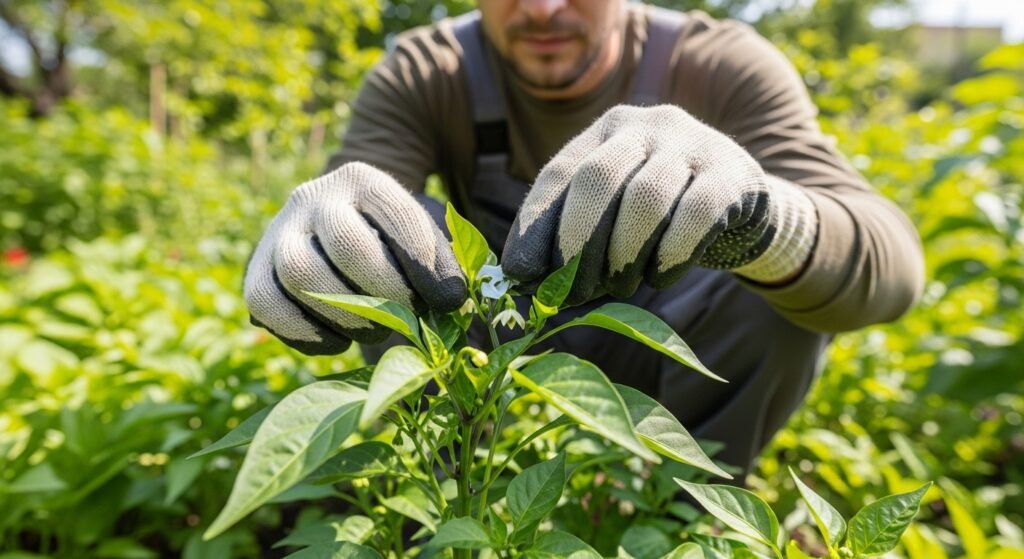
You should pinch off the first flowers which emerge from a young plant despite this action feeling wrong. The plant will dedicate its remaining strength towards building a stronger root system and creating more branches. The spring season provides larger plants which produce bigger summer harvests.
The “Topping” Technique
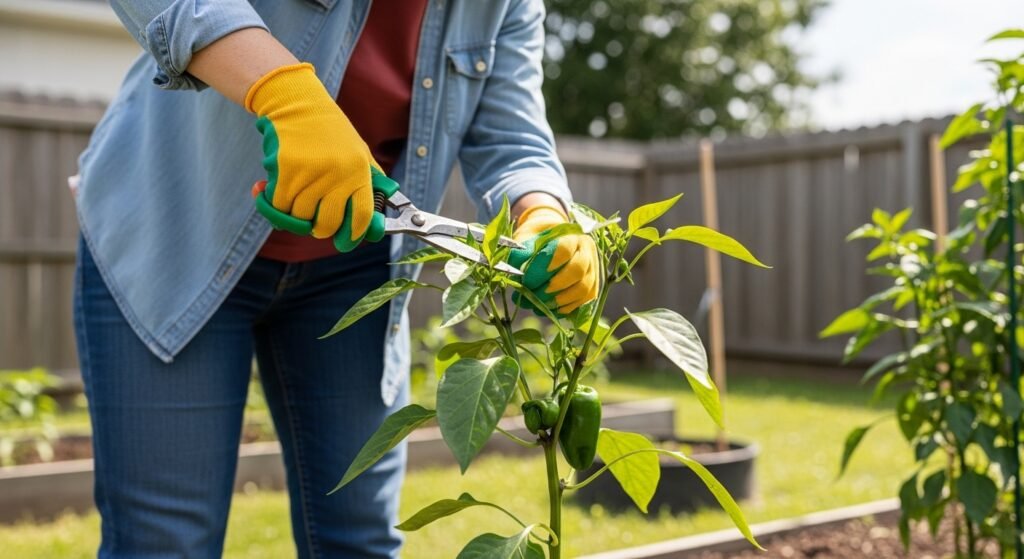
You can apply “topping” once your plant reaches a height of six to eight inches through cutting its main growth point. The plant growth will shift to horizontal expansion instead of vertical growth patterns. A bushier plant produces more branches which enables the development of more areas that can produce peppers.
Use a Balanced Mulch
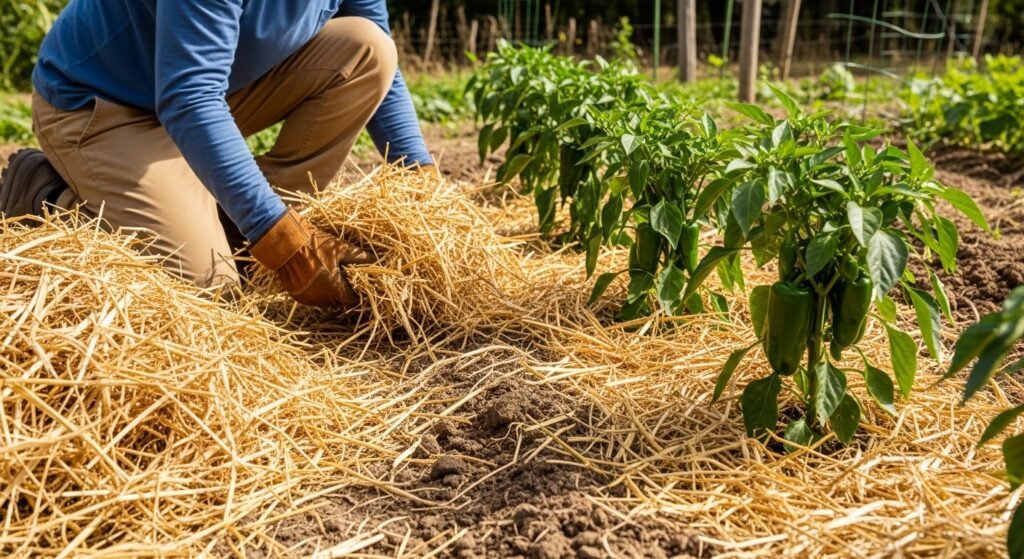
The practice of applying straw wood chips or dried grass as ground cover for your plants establishes a temperature control system which maintains soil moisture. Mulching prevents weed growth which protects your peppers from nutrient competition with other plants.
Don’t Overdo the Nitrogen
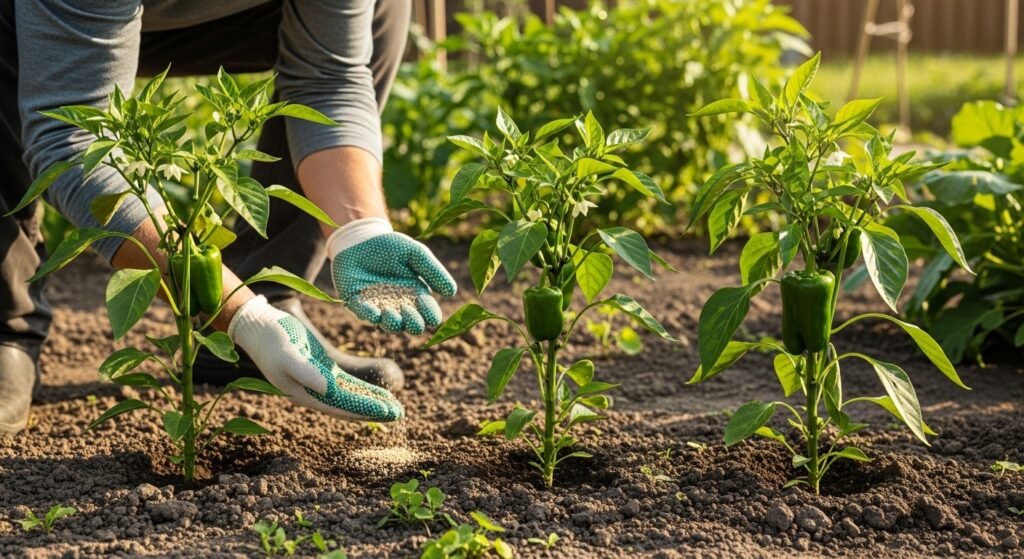
The nitrogen element promotes rapid leaf development yet excessive amounts work against pepper plant growth. The plant requires different fertilizer after it establishes itself which should have higher phosphorus and potassium content. These minerals play a vital role in developing flowers and strengthening fruit.
Stake Your Plants Early
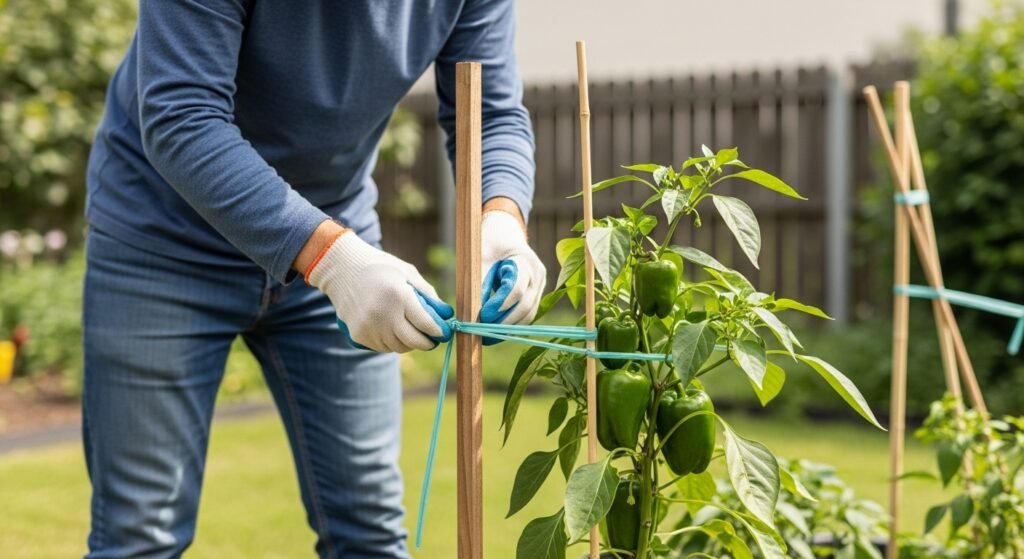
Peppers branch breakage occurs when branches become weighted with heavy fruit during severe wind and rain conditions. You should position a wooden stake or small cage around the plant while it is still young. The system provides vital support which enables it to handle extensive harvests without facing structural damage.
Harvest Regularly
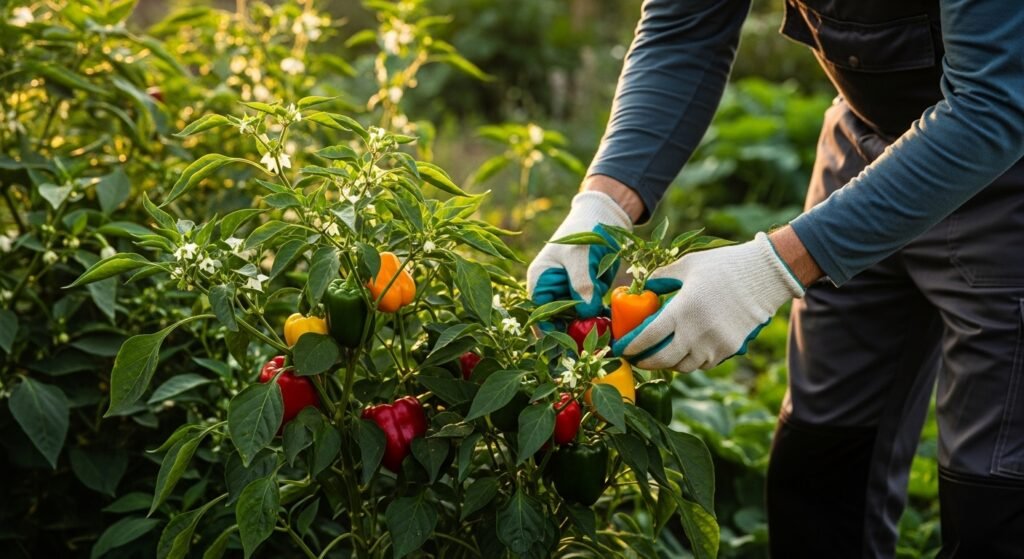
The plant produces more when you collect its fruits. The plant stops making flowers when you leave mature peppers on the vine for too long. The plant needs to create more peppers because of the ongoing need which harvesting establishes.
Watch for Common Pests
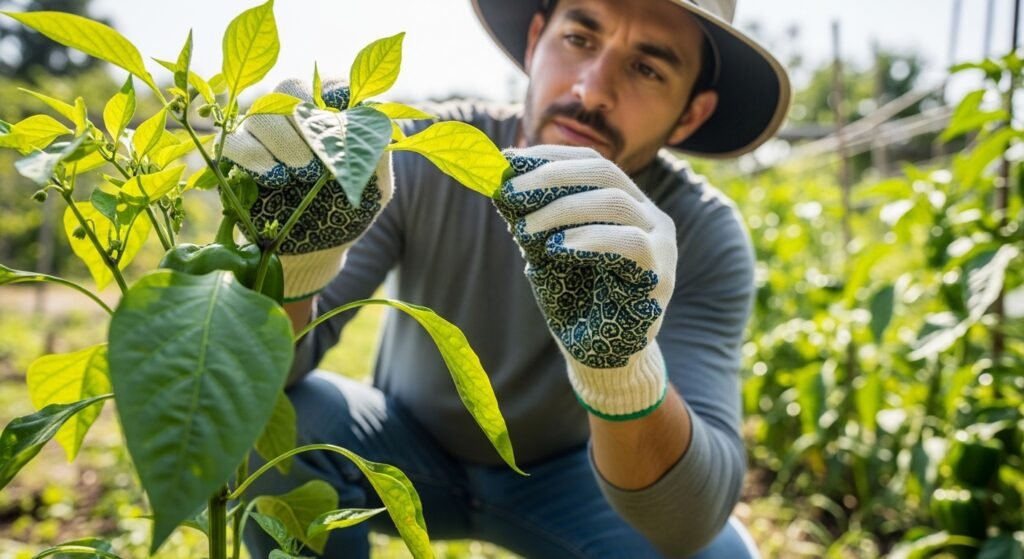
Aphids and spider mites prefer to eat the pepper leaves. The inspection process requires you to check leaf undersides on a regular basis to detect both small insects and sticky residues. The garden hose delivers powerful water streams which effectively remove pests without requiring chemical applications.