 Isabella Miller
 Travel experts have raised urgent warnings about upcoming American vacations in 2026 because the travel industry encounters dual threats from advanced digital security measures and stringent local travel regulations. Last-minute trips have become impossible because current global travel regulations prevent the execution of spontaneous international travel that people used to enjoy. The twelve existing travel trends need to be understood by all people who intend to travel this year.
The Digital Iron Curtain

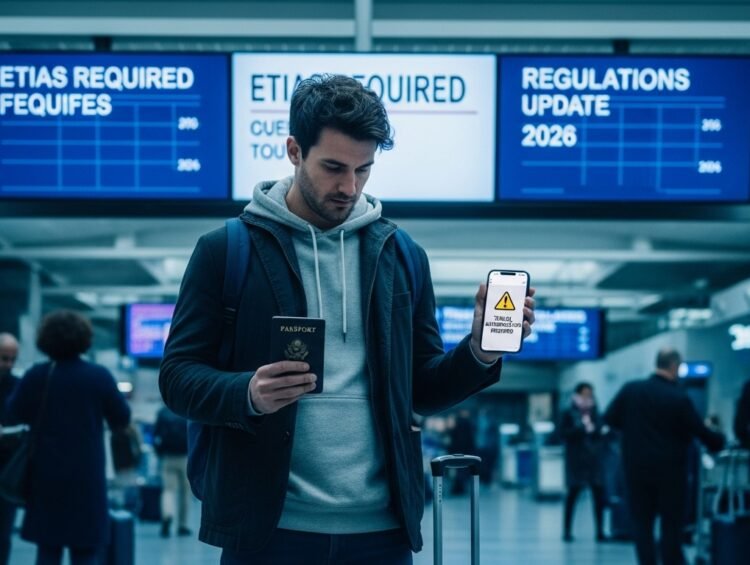
All American visitors to Europe and the UK can no longer enter those regions without going through security checks. You must obtain ETIAS or UK ETA authorization before you can board your scheduled flight. Experts indicate that the primary cause for passenger flight denials this year occurs when travelers attempt to enter the gate without their necessary digital “visas.”
Hawaii’s Short-Term Rental Collapse
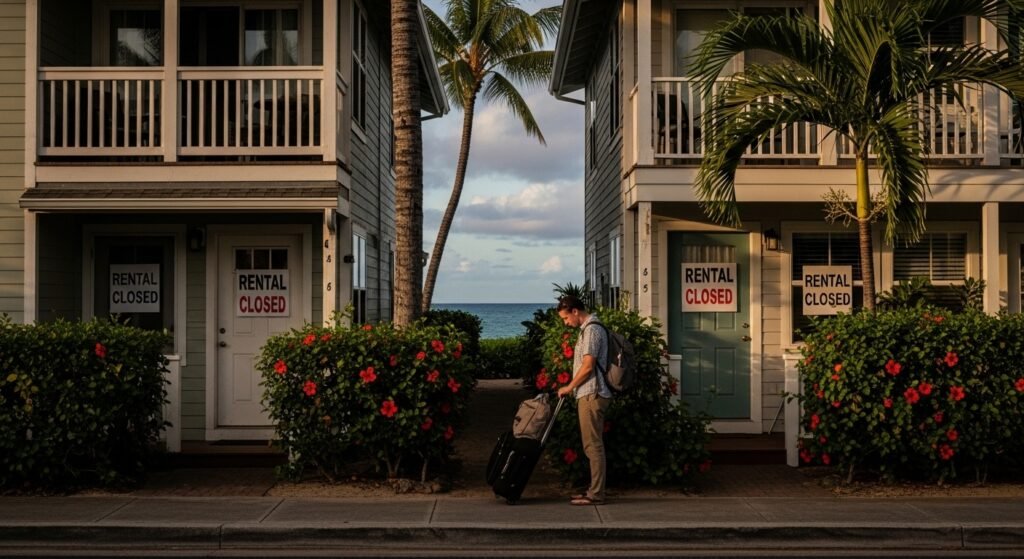
The early 2026 legal crackdown against unhosted Airbnbs across Maui and Oahu resulted in the removal of thousands of Airbnb rental listings from the market. Travelers should avoid independent rentals because they present significant risk at which many guests faced last-minute reservation cancellations when their building would shut down.
The “Torture Class” Flight Trend
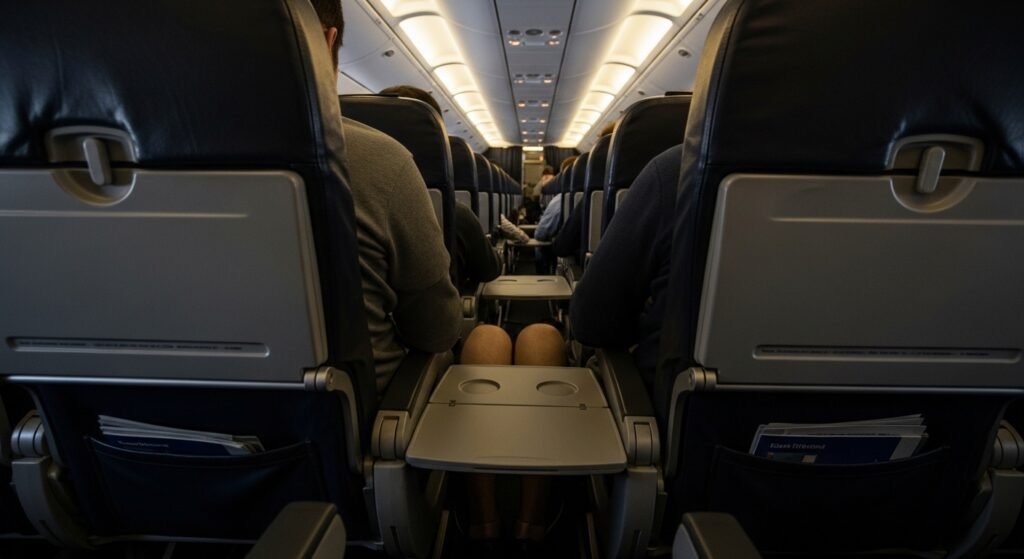
Airlines have created a new economy class which they call “torture class” because its seat pitch measurement reaches 28 inches. Experts recommend passengers should first check the “seat pitch” measurement on booking platforms because these particular seats serve short-distance flights but will create health issues during long-duration international flights.
Aggressive New Overtourism Taxes
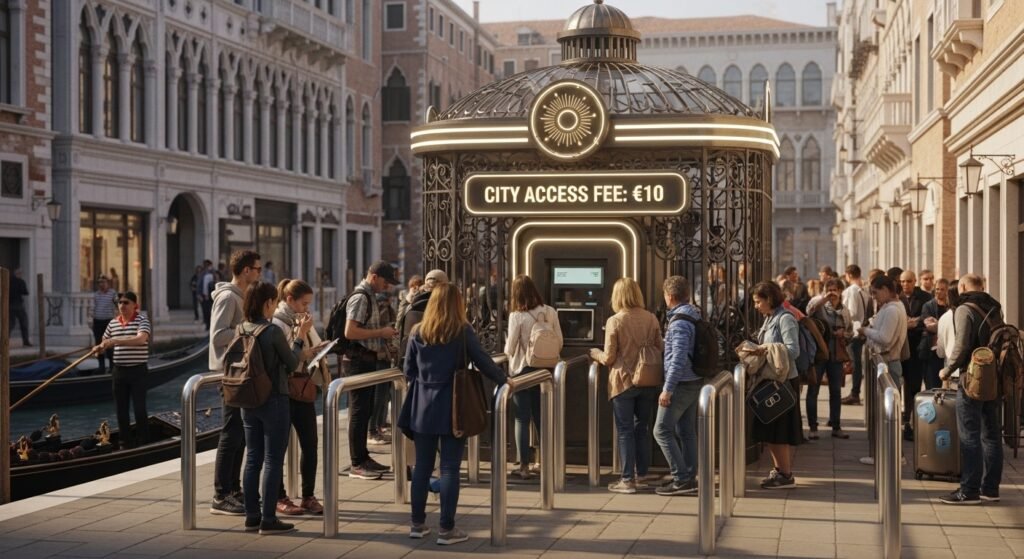
Venice, Barcelona and Athens have imposed high “sustainability fees” which charge visitors a daily rate for every person who visits those cities. A week-long family vacation needs an additional $100 when certain expenses are incurred. Travelers need to be alert about hidden costs which hotels commonly handle through cash collection during check-in.
AI-Generated Rental Scams
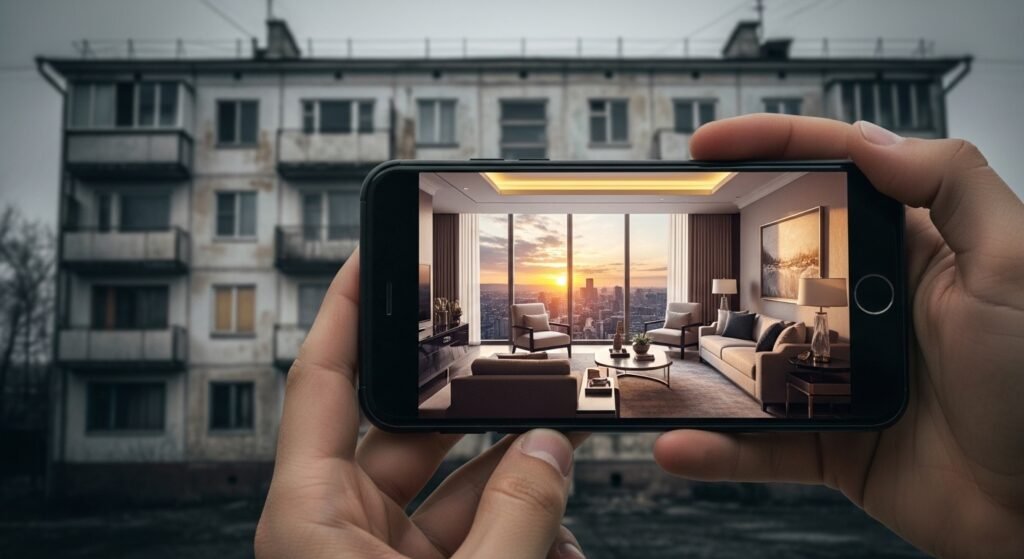
Scammers now utilize AI technology to create fake digital renovations for deteriorating buildings which they list on online rental platforms. Experts warn to only book properties with recent video walk-throughs, as AI-generated still photos are becoming impossible to distinguish from reality.
Mandatory National Park Reservations
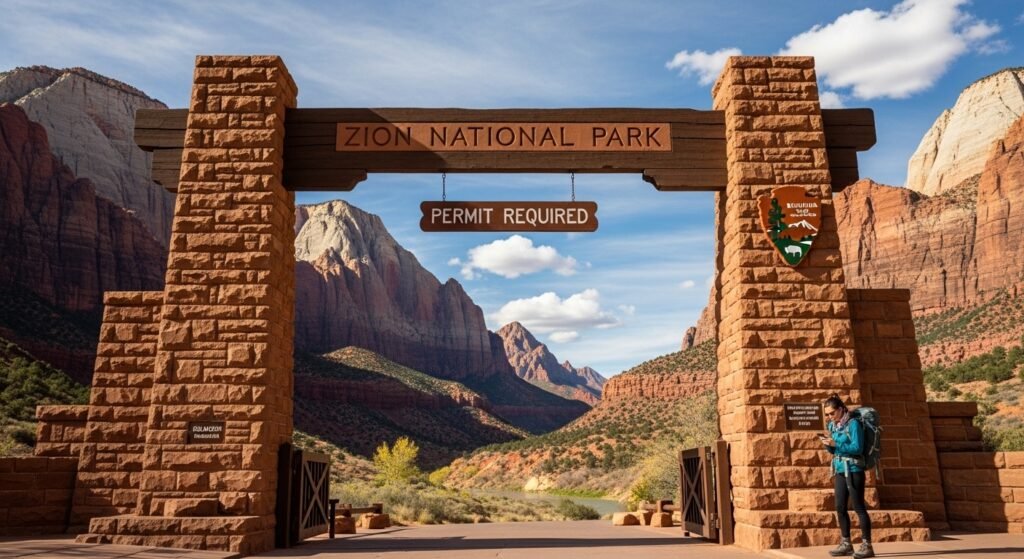
Major U.S. National Parks no longer accept “walk-in” visitors to their park facilities. Zion and Arvada now enforce a permit requirement which demands visitors to acquire permits several months before their planned entry. Homeowners who handle busy schedules end up missing entry points at the park because they forgot to obtain their digital “entry slot” in January.
The Great Cruise Cap
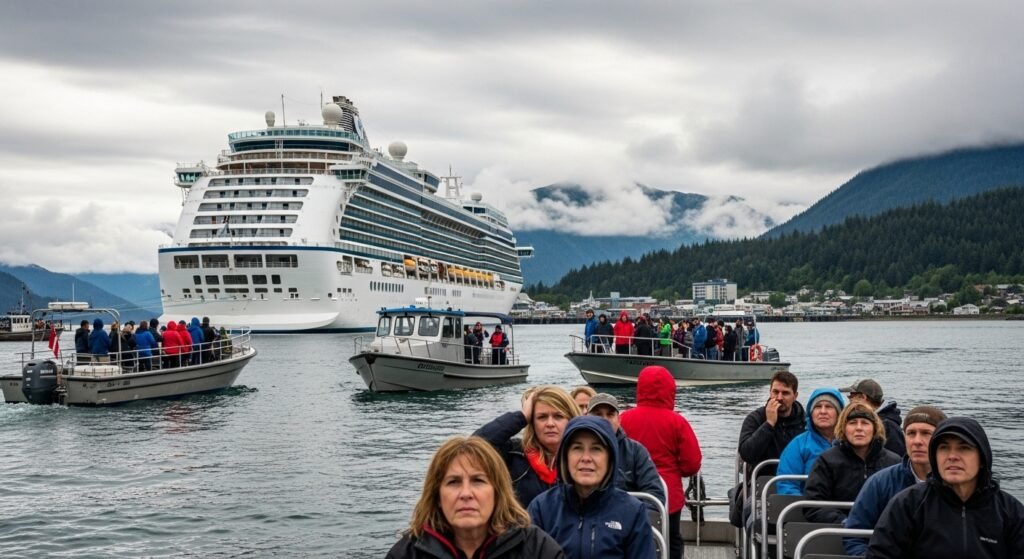
Juneau and Bar Harbor have established new regulations which limit cruise ship guests to a specific number of visitors per day. This situation results in ships either “docking” at distant locations from the city center or entirely aborting their porting activities. Passengers must check their ship’s docking rights to confirm which ports they can use before making a 2026 travel plan.
QR Code “Quishing” at Restaurants
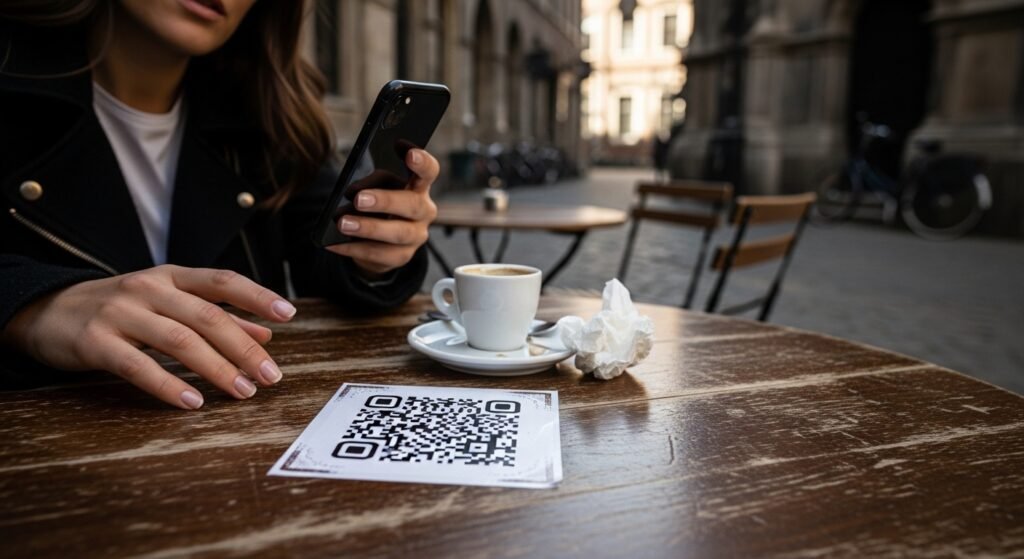
Cyber-thieves have placed false QR code stickers which mask actual menus at outdoor cafes. The scan-to-order function takes you to a fake website which collects your credit card details. Experts recommend that you should ask for a physical menu or check the URL before you make any payment.
“Glowmads” and Skincare Tourism
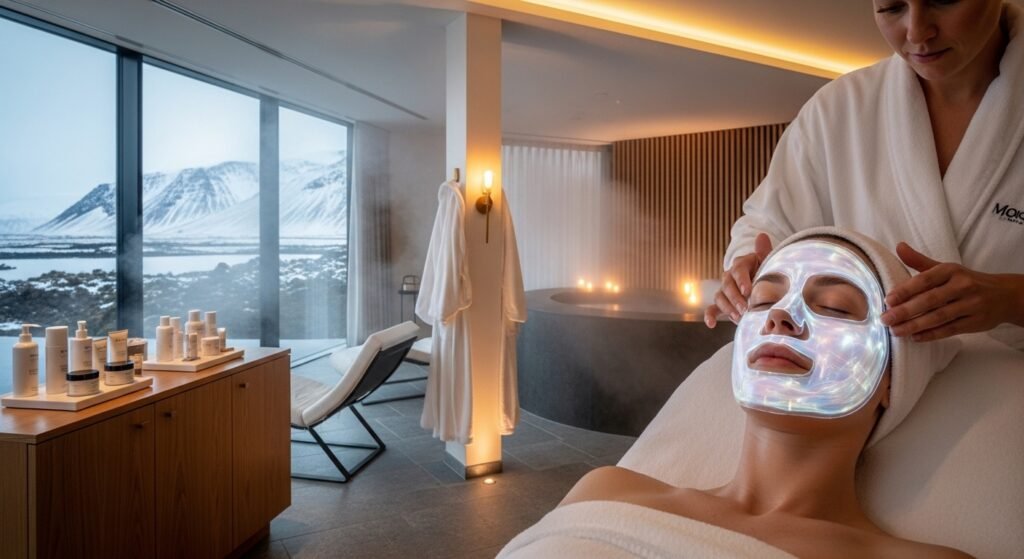
A large trend has emerged which involves “Glowmads” who plan their travels around skincare treatments. The surge in prices and hotel availability restrictions near spas in Iceland and South Korea has made these areas extremely expensive for regular visitors.
The “Hushpitality” Sleep Movement

Hotels now offer guests silence-oriented floors with advanced soundproofing technologies to create optimal sleeping environments which they charge extra for. Experts claim that Hushpitality has made standard rooms noisier because all staff resources now dedicate themselves to maintaining high-priced “quiet zones.”