
 Sophia Davis
 People experience frustration when they wake up during the night because this sleep disruption occurs at the same time each night.Your body develops its internal clock system to maintain body functions through chemical processing which results in this phenomenon. The first step to getting back a complete night of sleep requires you to identify your specific triggers.
The Natural Sleep Cycle Shift

People experience their sleep progression between deep sleep and lighter REM sleep during the 3 AM hour. The brain uses this period as active time which makes you sensitive to any sounds or body sensations that occur during the period.
Blood Sugar Fluctuations

Your brain activates cortisol production when your blood sugar levels fall below the critical threshold during nighttime. The body uses this “stress signal” to force you to wake up and search for food which usually occurs after your last meal of the day.
The Cortisol Spike
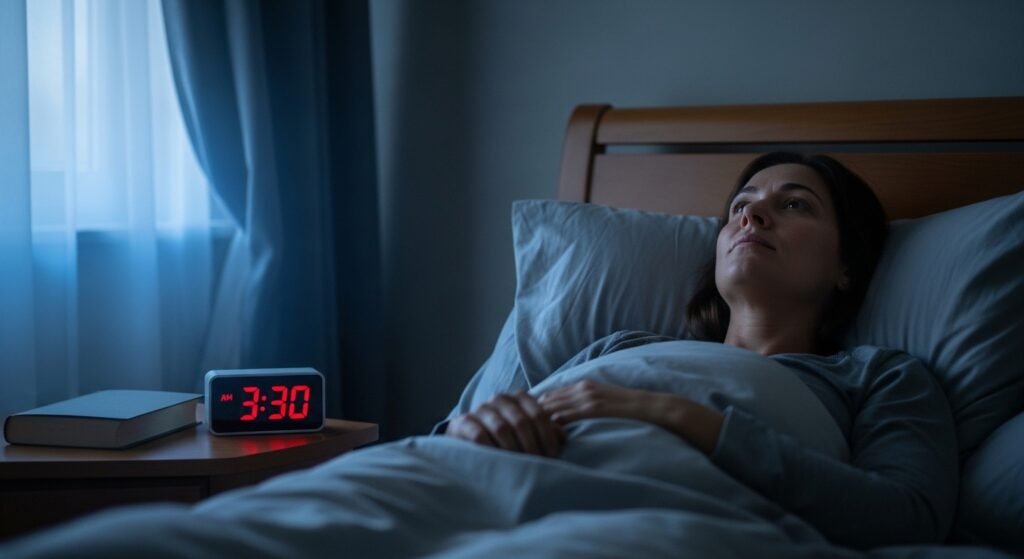
Your body starts its day preparation process before the sun reaches the horizon. Light sleepers become fully awake between 3 AM and 4 AM because their melatonin level decreases while their cortisol stress hormone level begins its natural ascent.
Liver Detoxification Patterns

The liver operates its highest level of activity between 1 AM and 3 AM based on traditional biological rhythm patterns. Heavy food consumption along with alcohol intake and toxic substances create extra processing demands which interrupt your sleep.
Nighttime Anxiety and Stress

Stressful situations force your body to remain in its “fight or flight” state through active nervous system operations. Your brain will begin to worry about work and personal matters as soon as you reach the light REM stage at 3 AM.
Substance Withdrawal Effect
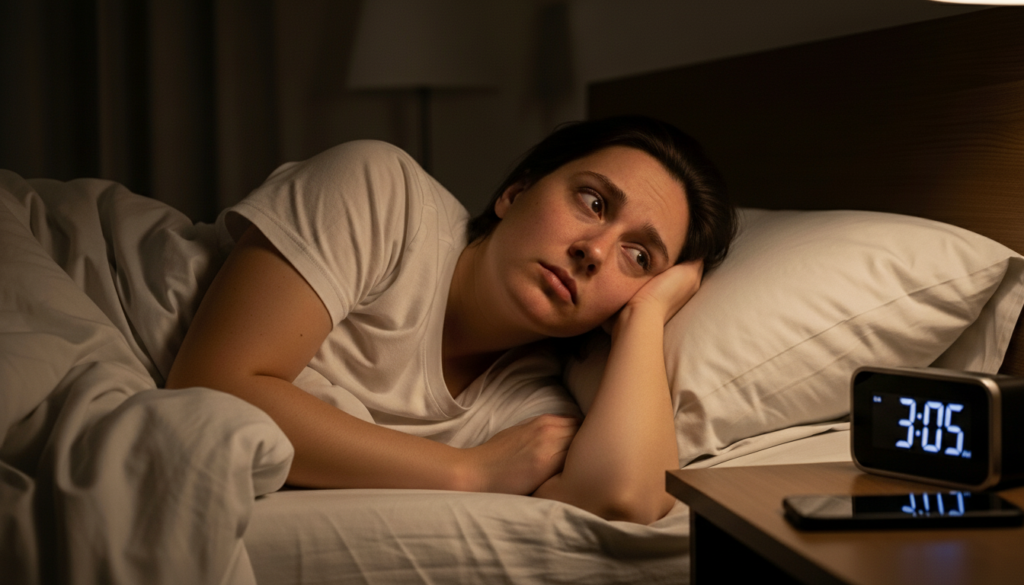
A nightcap helps you fall asleep but its sedative effects end after three hours. Your body starts to experience a “rebound effect” which sends your system into an active condition after it finishes alcohol processing.
The Need to Use the Bathroom
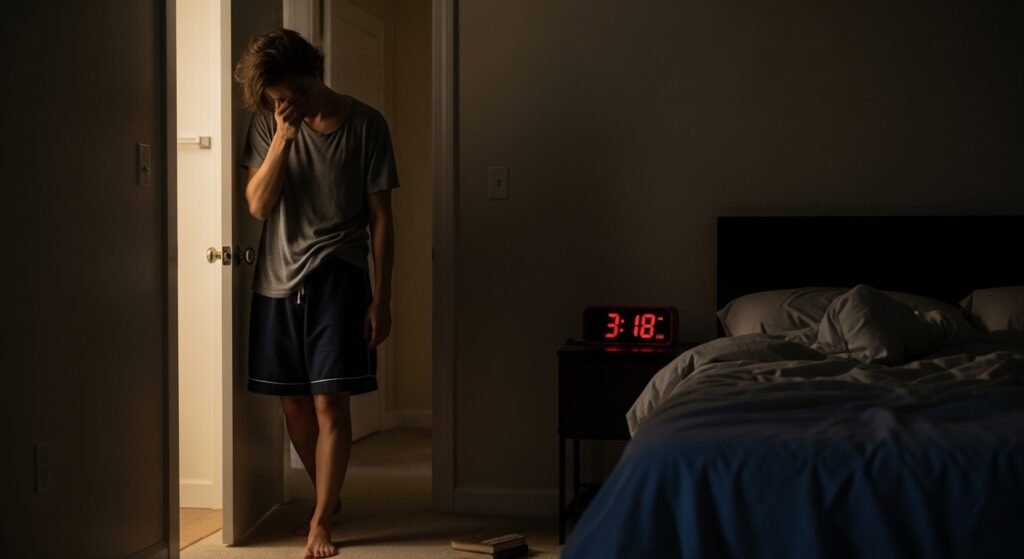
This is one of the most common physical triggers. The bladder sends its signal because you consumed excessive water before sleeping or you face health problems which cause you to wake up from light sleep.
Sleep Apnea and Breathing Issues
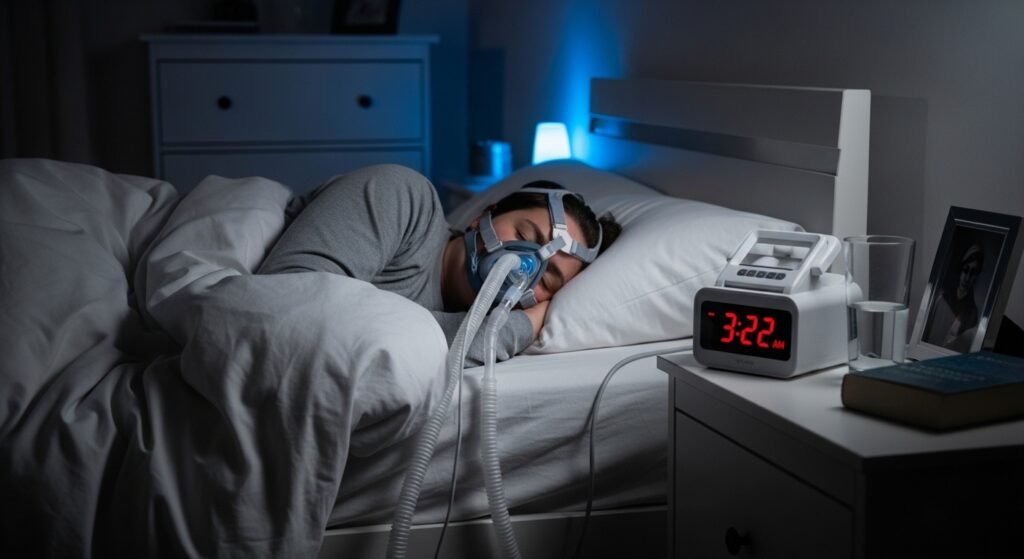
Your brain forces you to wake up when your breathing stops because it needs you to take another breath. People experience micro-awakenings which occur when they move into lighter sleep during morning hours.
The “Conditioned” Wake-Up

When you check the time after waking up at 3 AM multiple times your brain establishes this behavior as a new routine. Your body starts to expect the wake-up call which transforms your temporary sleep problem into a permanent sleeping habit.
Blue Light Exposure

Late-night phone usage creates internal clock problems for your body. Early morning light causes your sleep to become “brittle” which makes you wake up during sleep cycle transitions despite having fallen asleep.