 Sophia Davis
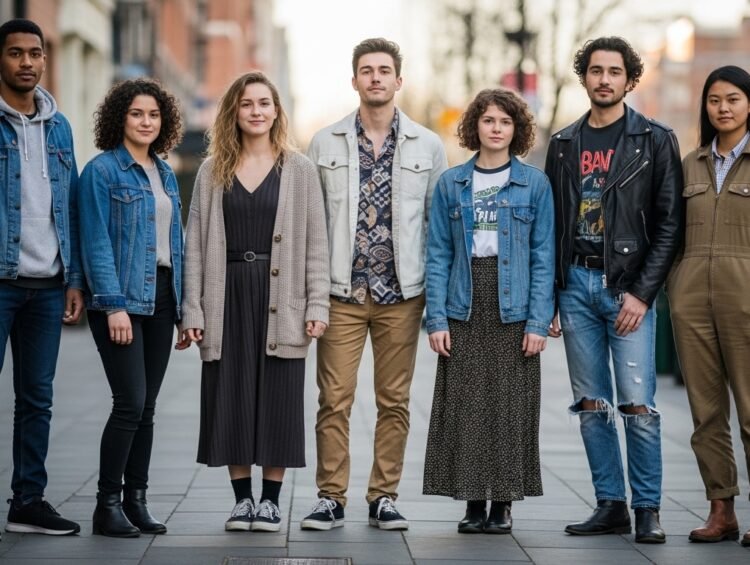
 The first digital natives Gen Z people experience extreme views which people use to evaluate them. The common beliefs people hold about this group are based on news headlines which show their actual life circumstances.
They Are Lazy and Don’t Want to Work
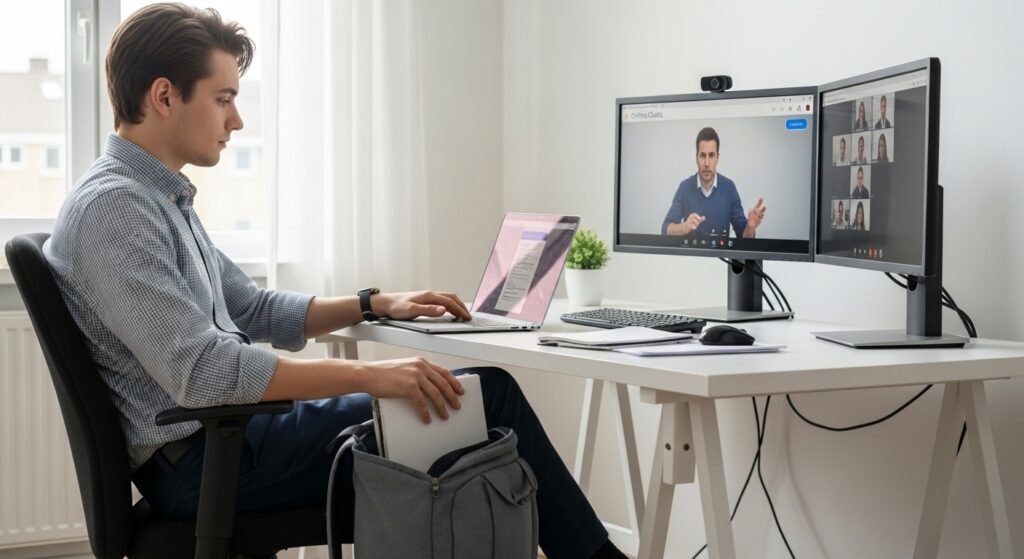
People believe that Gen Z workers lack dedication because this myth keeps appearing. They are currently managing 2 “side hustles” because they work full-time and study full-time. The employees of this company refuse to stop working because they create new methods which allow them to work while safeguarding their mental well-being and sustaining their personal life.
They Only Want to Work Remotely

The majority of Gen Z workers want flexible work options according to research studies. The lockdown period that forced students to stay home during essential school years has made them desire in-person guidance and relationships which they can only obtain by working in actual workplaces.
They Are Financially Irresponsible
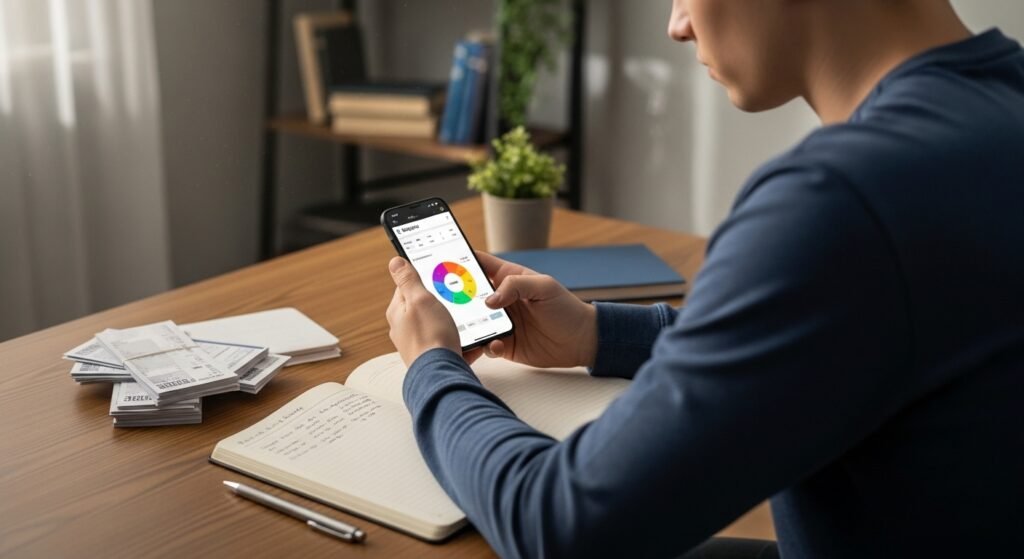
The “avocado toast” jokes which people use to mock Gen Z actually show that this generation spends money more carefully than people think. The economic instability and rising housing costs which occurred during their childhood lead to this generation using automated savings apps and researching stock and high-yield account investments at younger ages.
They Lack “Real-World” Social Skills

The ability to work with screens makes people think that they cannot talk face-to-face with others. Social skills which people possess tend to differ from each other because they feel more comfortable sharing delicate information and creating personal limits and using “radical empathy” to build bonds with people from various cultural backgrounds.
They Are All Tech Wizards

Digital natives need to learn how to handle Excel spreadsheets and printers because their status does not guarantee this ability. Young people who can use social media actually suffer from “tech shame” because they never received official training on business software and office equipment.
They Are Apathetic About Politics

Gen Z people show great political activity, which makes them the most politically involved generation in all of history. They organize rallies through social media platforms because they do not watch traditional cable TV news programs and want to monitor legislation and corporate responsibility for social and environmental hazards.
They Have No Company Loyalty

Job-hopping is not about lacking loyalty; it serves as an essential method which people use for their career survival. Young workers change jobs because they want to maintain their salary increases which match the rising expenses during this period of high inflation and constant wage levels. Employees stay committed to their work when employers provide them with transparent development opportunities and just salary increases.
They Are “Snowflakes” Who Are Too Sensitive

People who show sensitivity actually have advanced emotional intelligence abilities. Gen Z speaks up about mental health issues while rejecting toxic behavior patterns and “hustle culture.” The family members of Gen Z show their mental health status through this behavior because they want to end the silence which stopped their ancestors from speaking.
They Are Content Only When Glued to a Screen

People from this generation use technology, but they also lead the “digital detox” movement. Gen Zers seek out low-tech activities which include film photography and vinyl records and hiking because they want to escape the endless digital noise.
They Only Care About Themselves

The stereotype which depicts “selfie-obsessed” teenagers fails to account for their strong dedication toward worldwide problems. Gen Z populations in America view climate change and social justice and animal welfare as their most critical problems, which leads them to select shopping and employment locations based on a brand’s ethical reputation instead of its price.
They Are Killing Brick-and-Mortar Stores
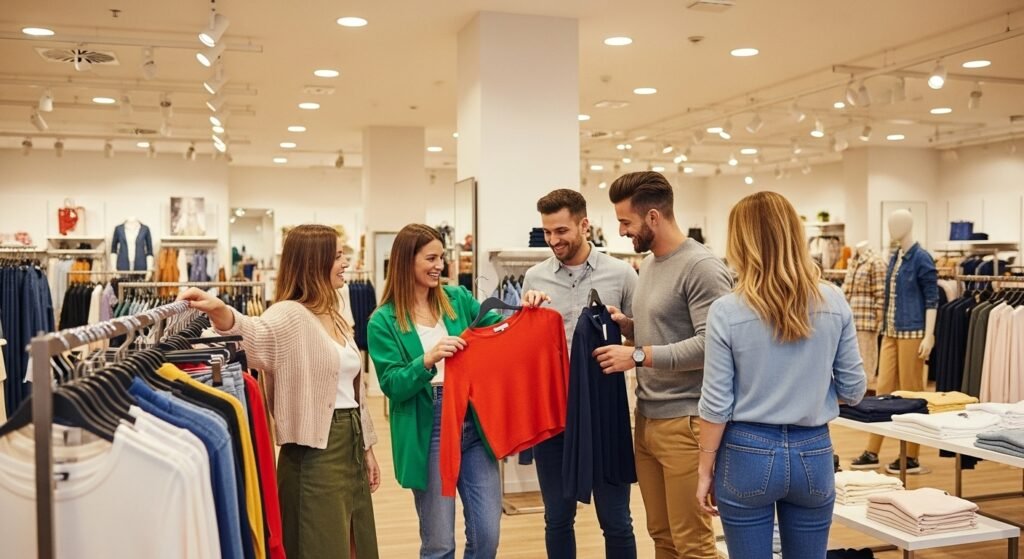
Gen Z prefers to shop in physical stores because they want to enjoy the social experience, which online shopping makes easier. The people at this organization prefer a “hybrid” method because they first search for better deals online and then head to the mall with friends to experience physical products.