 Sophia Davis
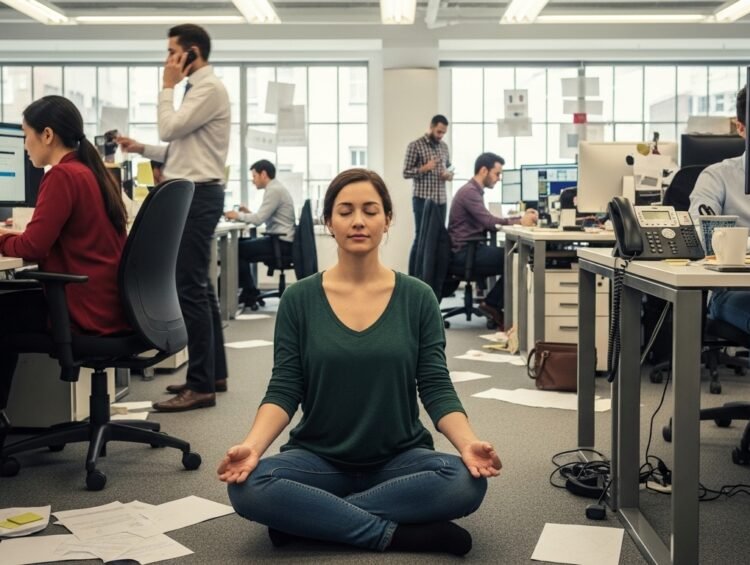
 Crisis situations require people to maintain their composure through developed skills which all individuals can learn. People who remain steady under pressure have learned how to manage their physical and mental reactions to chaos. You can build peace and clarity during hard times by following these basic characteristics.
They Practice Controlled Breathing

The body responds to stress through its natural mechanism which causes people to breathe in short and shallow patterns. Calm people breathe in a controlled manner to send their brain a message about their secure status. The physical change helps them reduce their heart rate while preventing the development of panic.
They Focus on What They Can Control

The team only tackles the parts of the problem which they can directly influence. The team eliminates energy waste by avoiding attention to weather conditions and the thoughts of others and their past errors. The team discovers more strength through limited focus which lessens their burden from the overall situation.
They Pause Before Reacting

Resilient people know that taking a brief moment of pause can transform every situation. The team takes time to process information instead of making immediate decisions through shouting. The team uses the short break to select between logical answers or emotional reactions.
They Use Positive Self-Talk

The inner dialogue you maintain with yourself determines your crisis response abilities. Calm people respond to disaster thoughts by saying they can manage their situation through small incremental actions. The team maintains their confidence through this language shift which prevents them from developing negative thoughts.
They Don’t Ask “What If?”
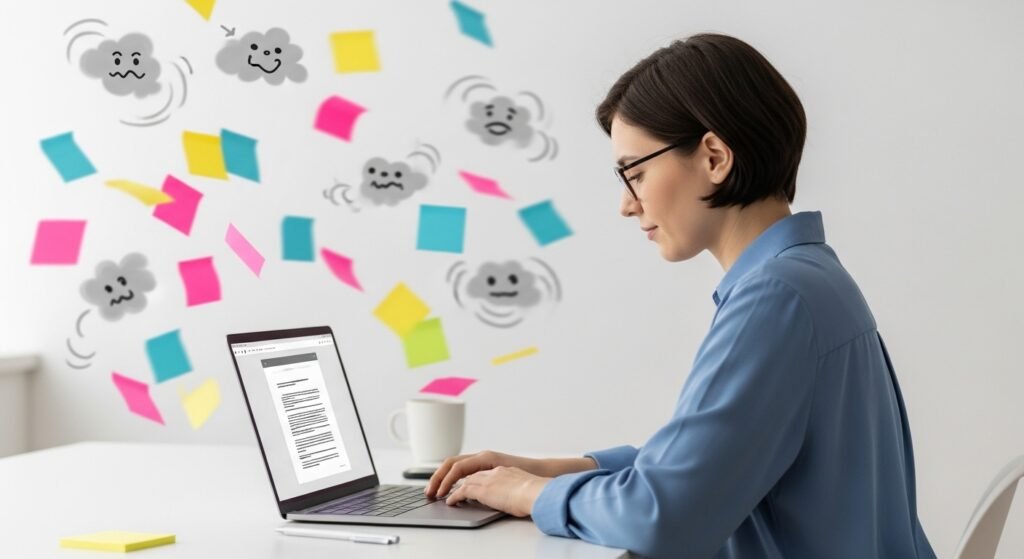
The “what if” question creates dangerous situations which lead to ongoing worry about future events that do not exist yet. Calm people stay grounded in the present moment and deal with the facts at hand. The team prevents their minds from dreaming up terrifying stories which might never happen.
They Know When to Unplug

People need to leave their environment behind because it brings them peace. The team understands when their brain needs rest after turning off news alerts or stepping away from a fierce fight. The team uses timeouts to gain new perspectives which enable them to address the situation effectively.
They Seek Perspective

The team assesses whether their current issue will continue to hold importance after five days and five months and five years. Most of the time, the answer is no. The team uses this realization to shrink enormous problems into manageable sizes which they can handle.
They Are Proactive, Not Reactive
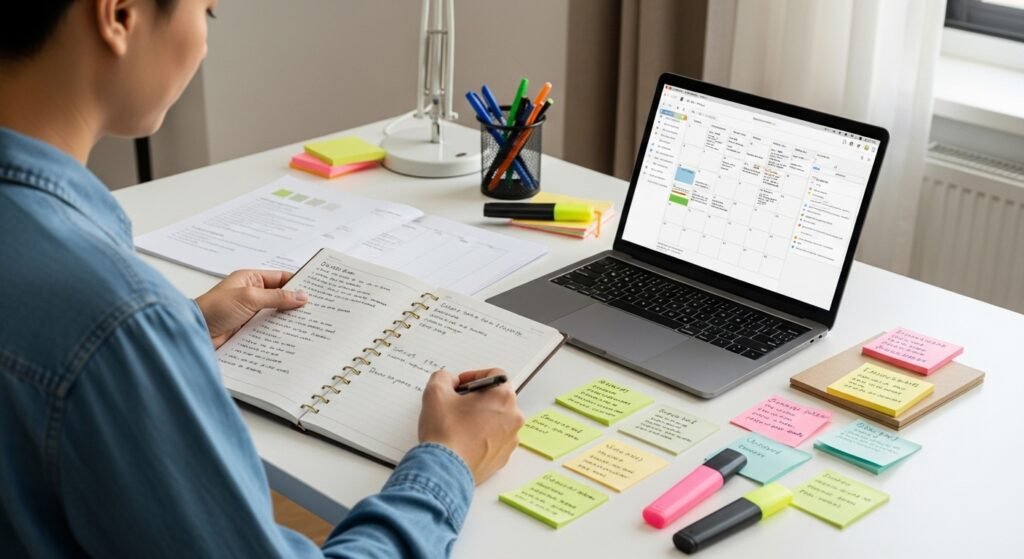
Calm people try to anticipate problems before they happen so they aren’t caught off guard and the team establishes basic plans and backup plans which let them minimize unexpected events. The team maintains their low stress levels because they feel ready for future negative developments.
They Ask for Help

The process of staying calm needs people to collaborate with others instead of working alone. People who maintain their cool acknowledge their work capacity limits when facing oversized tasks. The team members reduce their work responsibilities through delegating tasks while they obtain quicker solutions through requesting second opinions.
They Practice Gratitude

Calm people who face stress find one small thing to appreciate during difficult times. The positive focus creates balance between stress and the need to defeat it. Shifting your mind toward gratitude protects you from experiencing the burdens which come with a tough day.