
 Isabella Miller
 People today believe that social gaps between different groups have grown larger during the past few years. People use different forms of expression to show their views because of their different political beliefs and their different ways of life and their different worldviews. Technology, which was meant to unite people has created new divisions because people now understand each other less who come from different backgrounds.
The Echo Chamber Effect
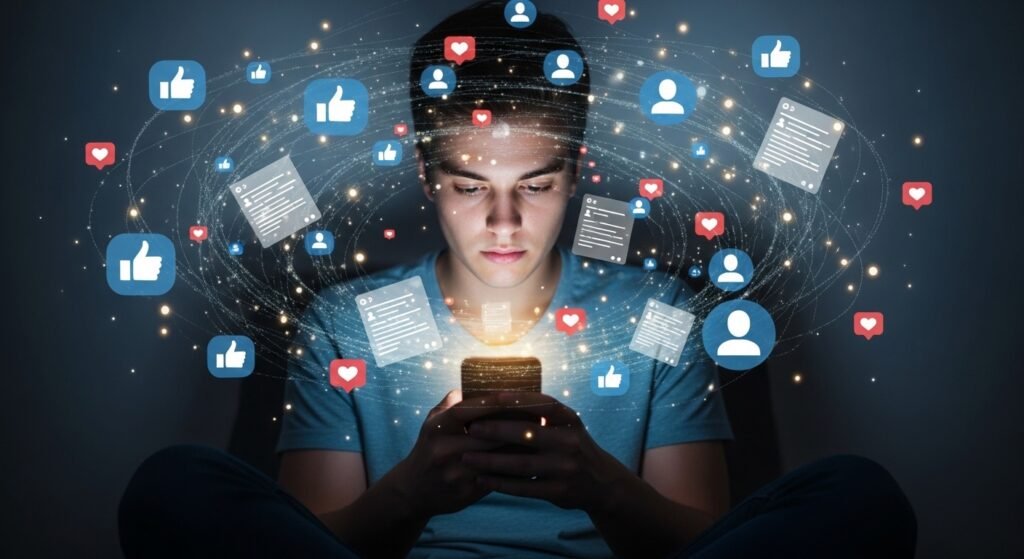
Social media platforms use algorithms which show users content that matches their existing beliefs. The system creates “echo chambers” which produce a sound environment where we only experience our own views circling back to us. The belief that our perspective represents the sole accurate viewpoint develops through this process because we think all alternative opinions must be entirely incorrect.
The Loss of “Shared Facts”
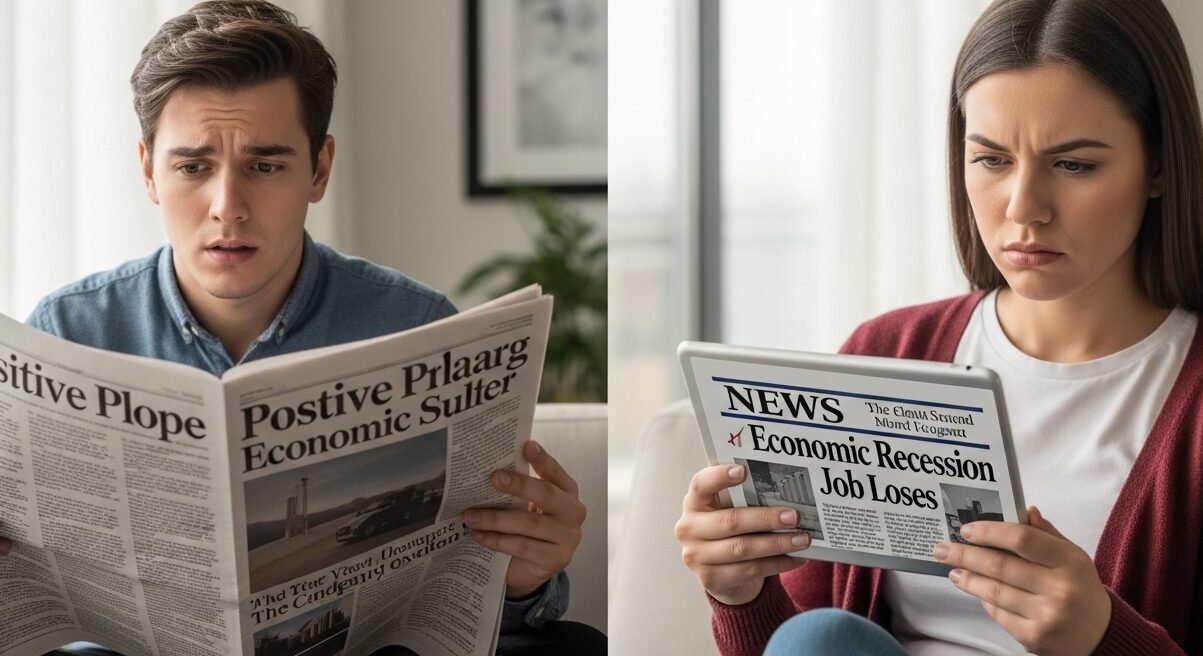
There existed an era when people shared the same news programs which provided them the same factual information despite their divergent opinions about which solutions were correct. The public today consumes news from multiple sources which deliver contrary accounts of what actually happens in the world. The complete absence of agreement on vital information creates a total inability for us to get any beneficial discussion accomplished.
Geographic Sorting
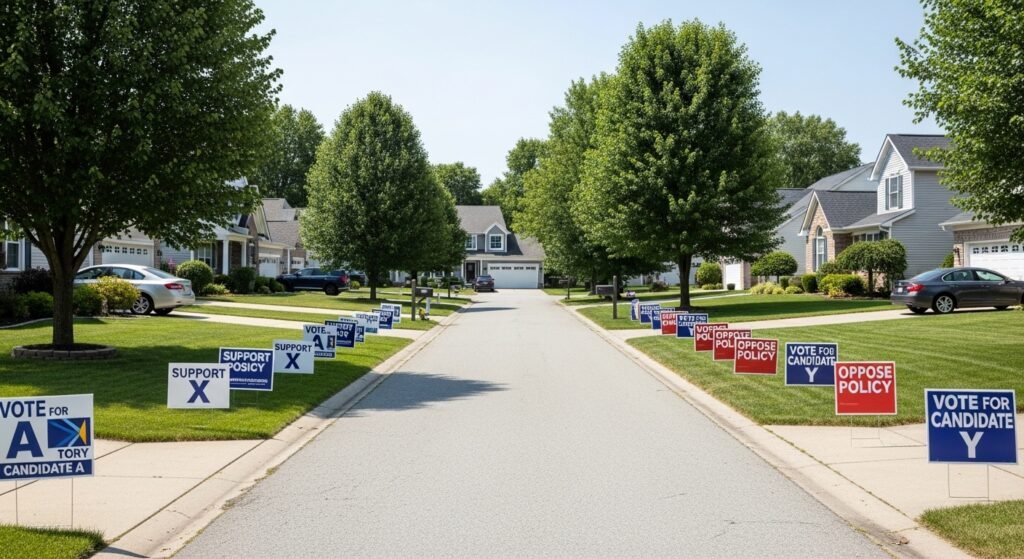
People have begun to choose residential areas which match their political and social beliefs. The outcome has created a situation where we spend less time with others who think differently from us. The situation becomes more comfortable for us to create an “other” perception when we encounter strangers instead of having direct contact with various social groups.
The Decline of “Middle Ground”

The middle ground has vanished from multiple areas of existence. People involved in political and social discussions must select their stance because they lack any option to remain in the center. The “us versus them” mindset establishes a viewpoint which interprets compromise as a deficiency instead of showing a path to resolution.
Disagreements Over Basics

People have begun to carry their disputes from complex policy topics into their daily interactions. Our choice of food and clothing and leisure activities has evolved into indicators which reveal our group identity. The result creates an environment where any type of easy-going social contact has the possibility of leading to a dispute.
The Loneliness Epidemic

Social division in our current society leads to increased loneliness among the population. The more we lose connection with our neighborhood the more we develop defensive behavior while automatically distrusting everyone around us. The absence of social “glue” functions as a barrier which prevents communities from establishing the trust relationships necessary to connect with each other.
Generational Gaps

The younger generation and older people have developed a widening divide between their attitudes about work and technology and their social values. The rapid pace of global transformation creates a situation where different age groups believe they exist in two separate time periods thus causing both of them to experience misinterpretations between their respective age groups.
Workplace Tension

People used to enter the office space after they had left their private beliefs behind. The workplace now faces difficulties because social and political conflicts have become common and they create personal barriers which stop teams from working together in harmony.
The “Cancel Culture” Debate
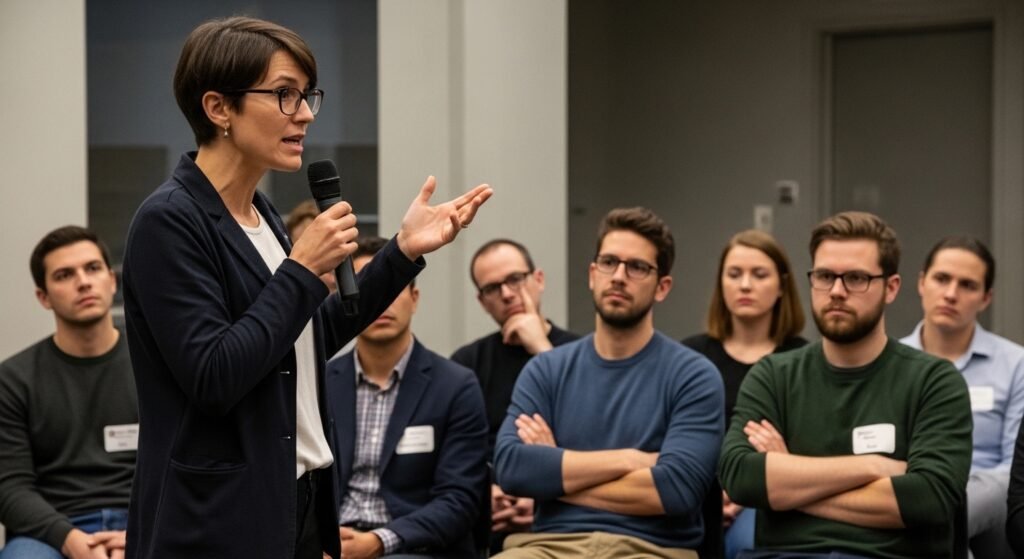
People face ongoing tension because they cannot avoid making inappropriate remarks. Society needs accountability but people now judge others too quickly according to some individuals. The difference of opinion creates an environment where people feel frightened to explore both their doubts and their wish to have transparent discussions.
Declining Trust in Institutions

People today trust governmental bodies and media organizations and scientific institutions far less than they used to trust those bodies. The public believes that all societal organizations who should create social bonds between people have failed to accomplish their mission thus they resort to extreme groups for connection.