 Sophia Davis
 The process of bringing nature inside a building can be done without making it your permanent occupation. People who believe they cannot take care of plants should learn to choose proper plant species because their selection will enable successful plant development. Low-maintenance houseplants describe plants which developed skills to thrive under tough growing conditions because they can survive limited care while still maintaining their attractive appearance.
ZZ Plant
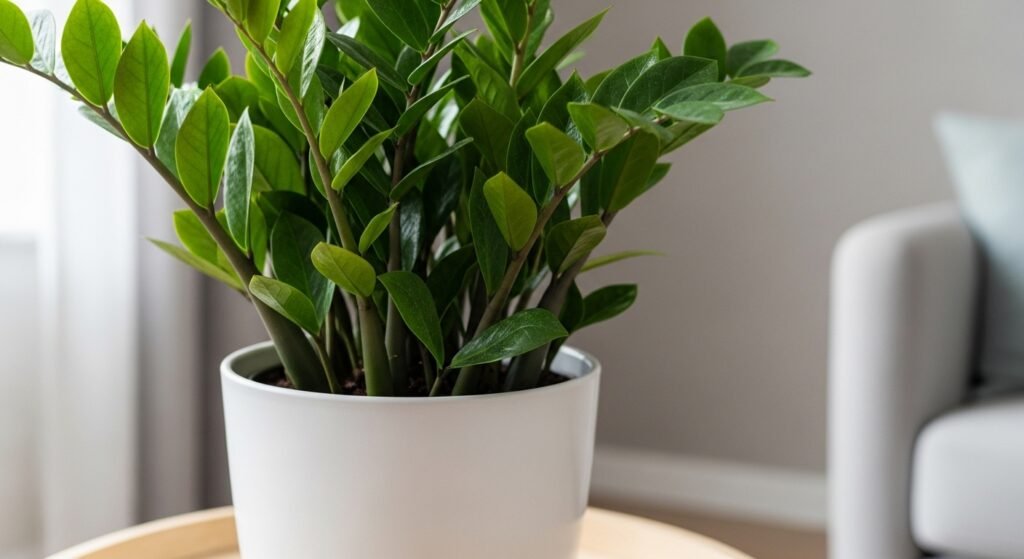
The ZZ plant has waxy deep green leaves which reflect light to illuminate a room. The plant demonstrates slow growth while its drought resistance reaches maximum levels through its bulb-shaped roots which retain water. The plant requires watering only when the soil reaches complete dryness which occurs every few weeks.
Pothos
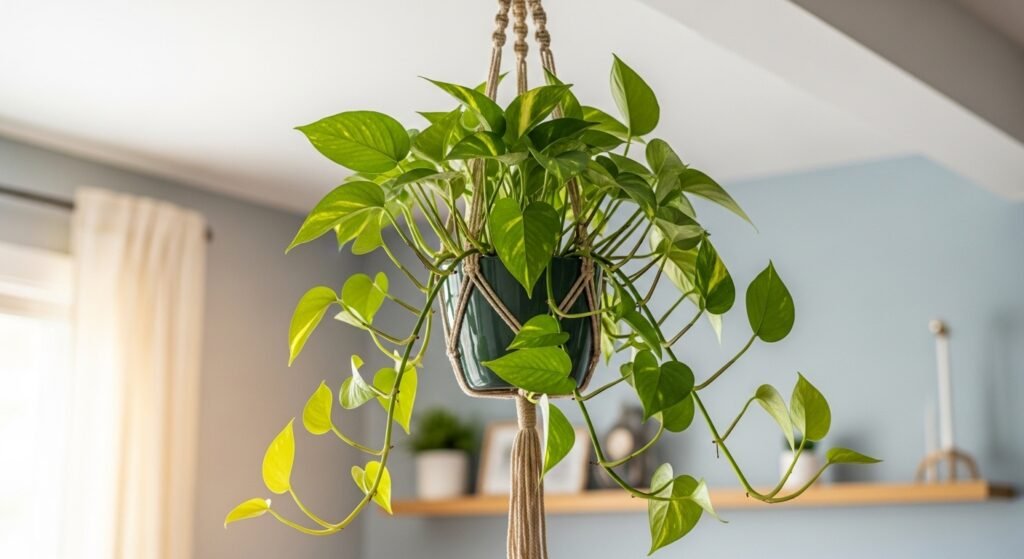
The plant known as “Devil’s Ivy” grows as a quick-moving vine which spreads through trailing. The plant shows excellent performance in both hanging baskets and shelves positioned at elevated heights. When the plant grows excessively you can cut a vine and place it in water to create another complete plant.
Aloe Vera
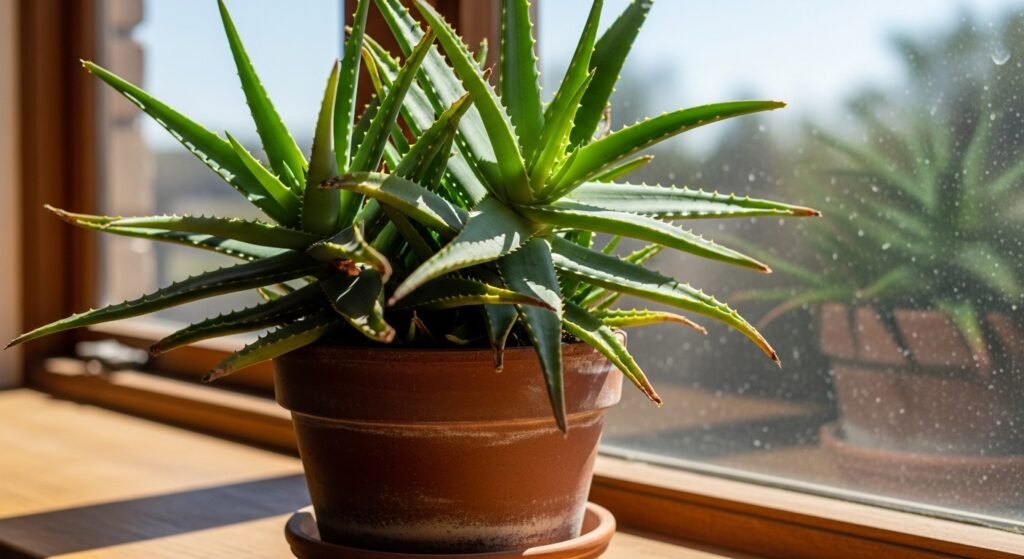
The plant operates as a functional botanical element. The plant exists as a robust succulent which uses minimal water while its leaf gel provides relief for minor burn wounds and skin irritation. The plant needs direct sunlight in a windowsill area to maintain its happiness.
Cast Iron Plant
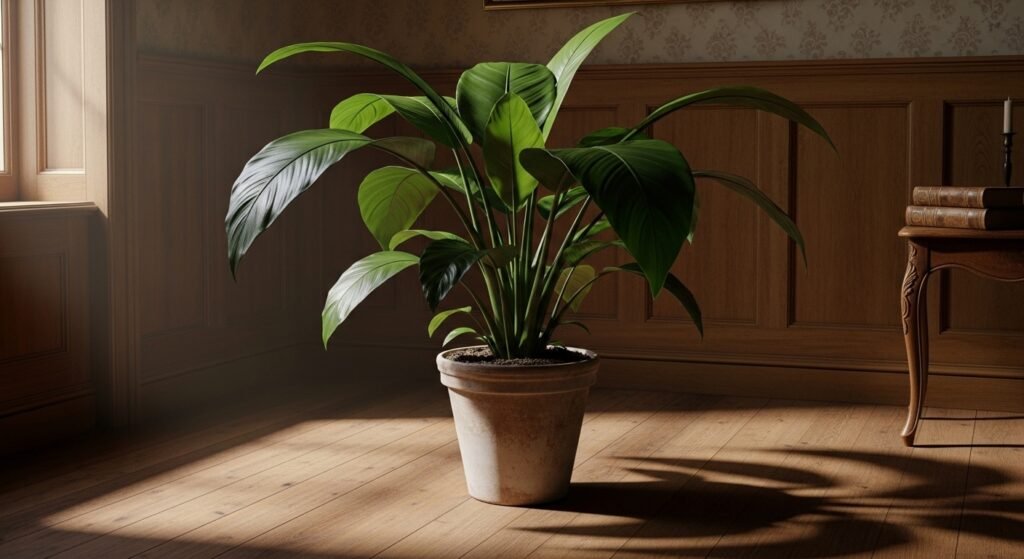
The plant demonstrates its toughness through its name which describes it as being strong like iron. The plant remained popular during the Victorian period because it could withstand the gloomy and polluted indoor environment found in ancient residences. The plant features large dark green leaves which can endure both low light conditions and temperature changes that occur between different environments.
Peace Lily
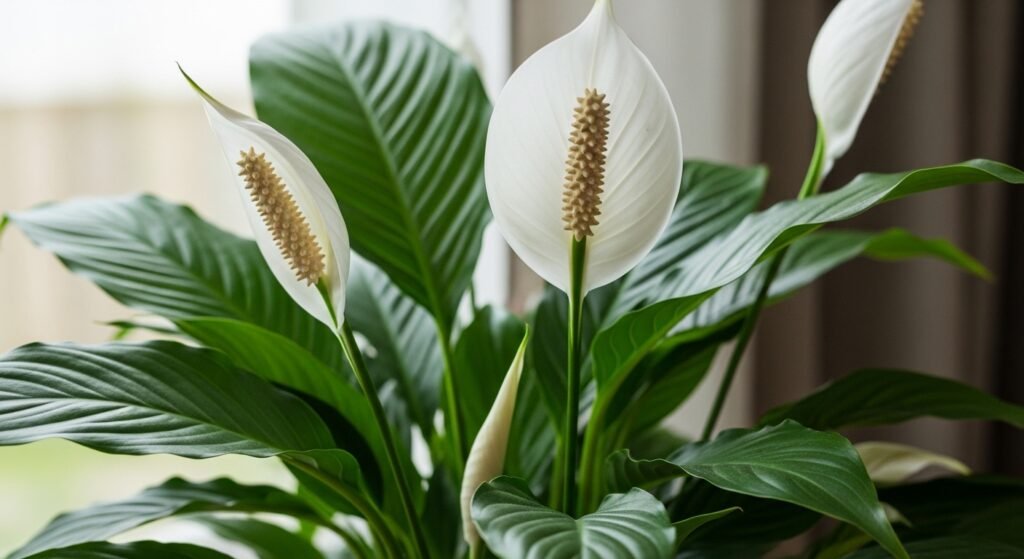
The Peace Lily functions as an ideal plant because it shows all its requirements by itself. The plant shows its need for water through visible wilting which creates a “fainting” effect in its leaves. The plant begins to recover after you provide it with water which takes one hour to complete. The plant produces stunning white flowers which take on the shape of spades.
Jade Plant
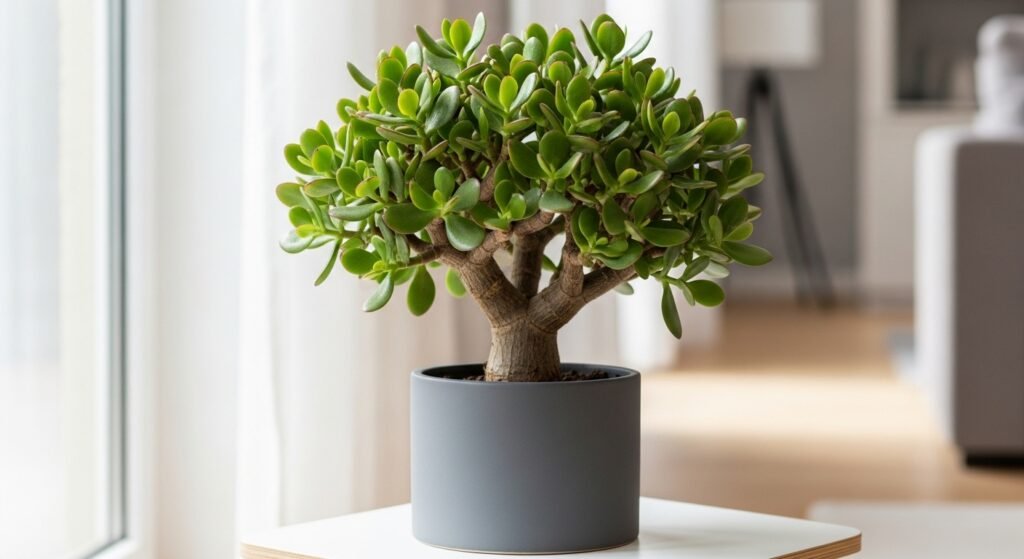
The plant represents an established succulent which resembles a small tree. The plant consists of thick stems which have a woody texture and it features green leaves which have a fleshy appearance. The plant survives extended periods without care because it retains water within its leaves but it needs access to bright light for optimal growth.
Rubber Tree
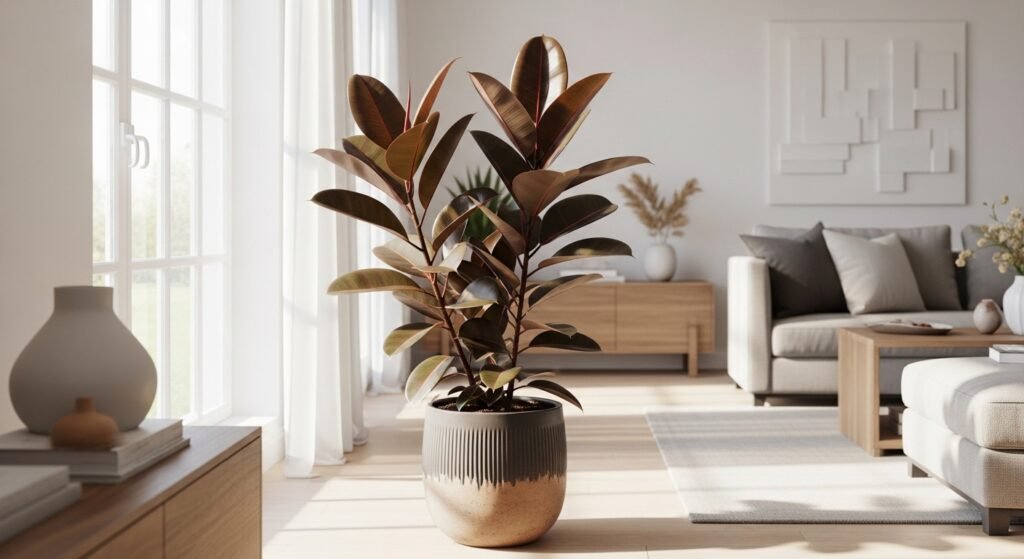
People who prefer a bigger plant option should consider the Rubber Tree as their ideal selection. The tree displays enormous leathery leaves which come in both burgundy and green shades. The plant needs bright indirect light for its growth process and it requires watering only when the surface soil reaches dryness at a depth of one inch.
Philodendron
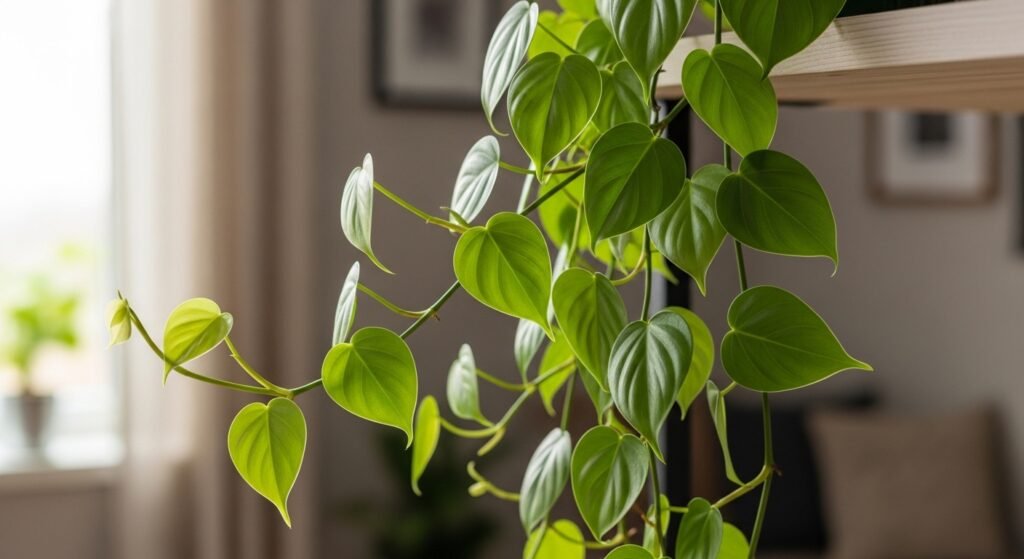
The Philodendron develops as a heart-shaped vine which resembles Pothos because of its no-fail growth ability. The plant displays strong feedback through its leaves which turn yellow when you overwater and they become brown when you provide insufficient water. The plant serves as an ideal educational tool to learn the basics of “plant language.”
Parlor Palm
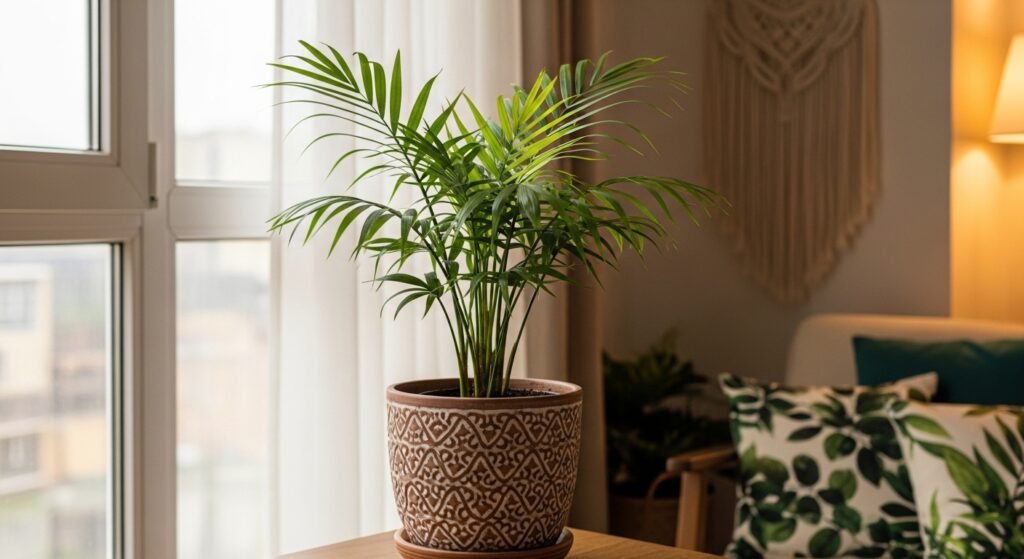
The small palm provides an ideal solution for those who desire a tropical appearance without the need for tropical maintenance. The plant grows best in low light conditions while it needs to stay in drier environments. The slow-growing plant enables you to keep your space free from rapid growth problems.
Succulent Varieties
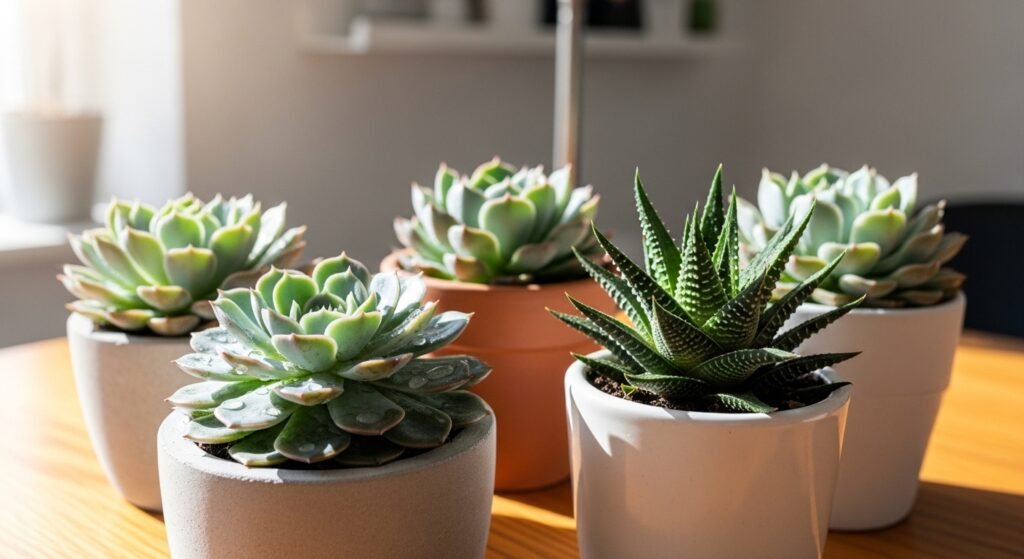
Small succulent plants Echeveria and Haworthia function as ideal decorations for desk spaces and compact shelving units. The plants come in various shapes and colors; they require only a sunny location and minimal watering once per month.